
GRANDMOTHER'S salad, 300 g
91 people viewed this product
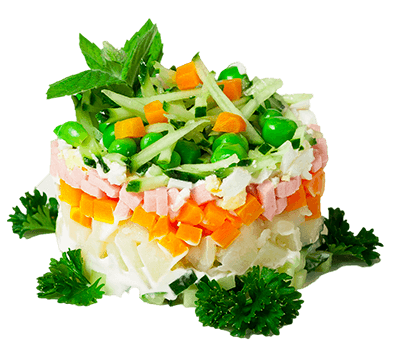
GRANDMOTHER'S salad, 300 g
Unlock Full Product Analysis
Get AI-powered ingredient breakdowns, personalized health insights, and smarter food choices — all inside Telegram.
Noticed incorrect or incomplete information about this product?
Report a problem?
Similar Products
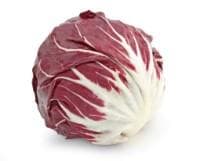
Lettuce RADICHIO ROSSO, category I, kg
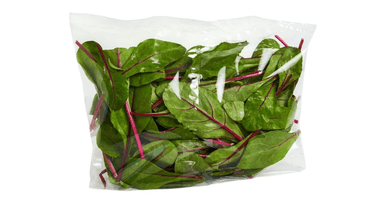
Red Chard, 250 g
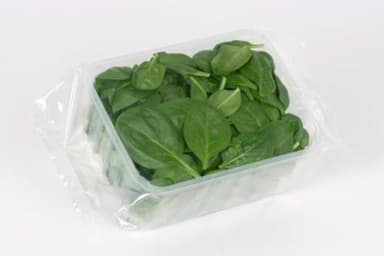
Baby spinach, 100 g
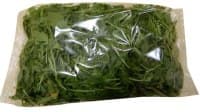
Lettuce Rucola, 200 g
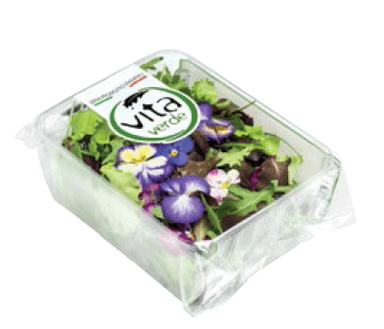
Salad mix with edible flowers, 100 g
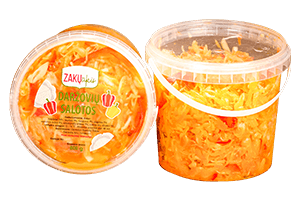
Vegetable salad with bell pepper, 800g
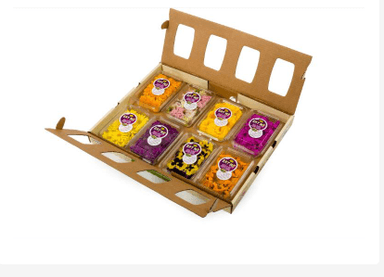
Flower mix, pcs
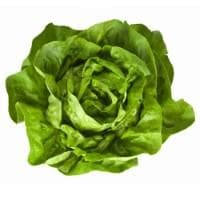
Butterhead, salad, II class, kg
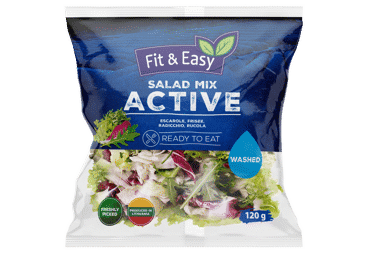
Salad mix FITNESS, 120 g
Lettuce ROMAINE, category I, kg
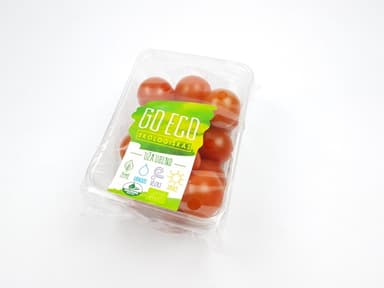
Eko cherry tomatoes, I class, packed, LT-EKO-001, 250 g
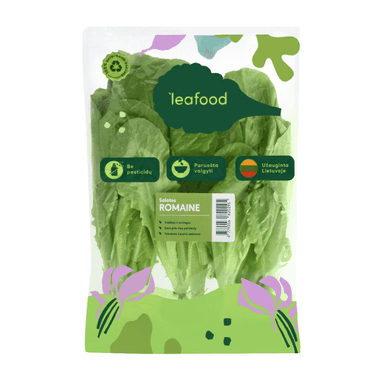
Romaine Lettuce
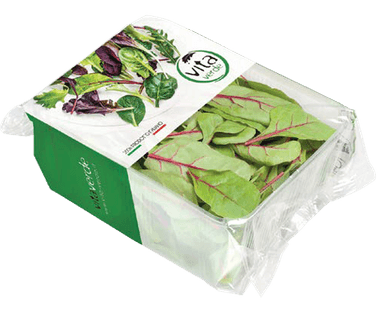
Red Chard, 100 g
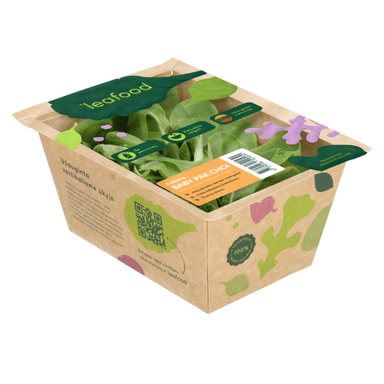
Baby Bok Choy
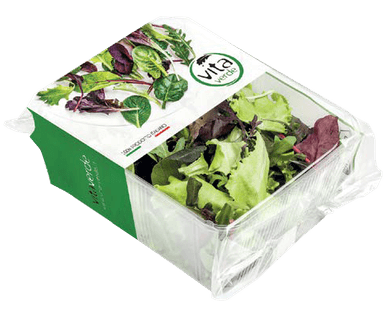
Lettuce mix MISTICANZA, 100 g

Leaf Salad
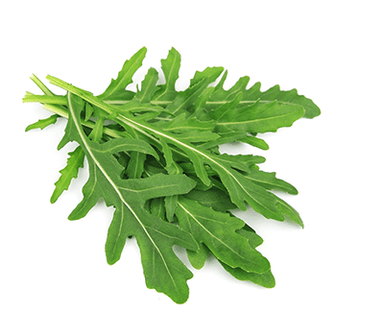
Arugula Salad 100 g
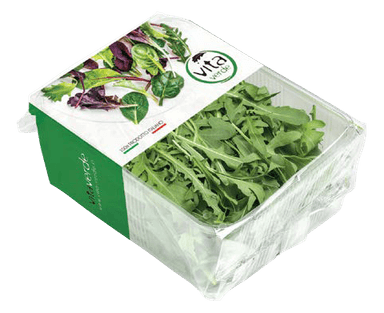
Lettuce RUCOLA, 100 g
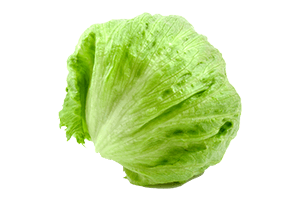
ICEBERG Lettuce, 1 piece.
Small spinach , 200 g
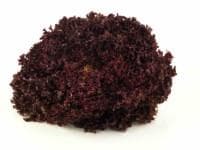
Lettuce LOLLO ROSSA, kg
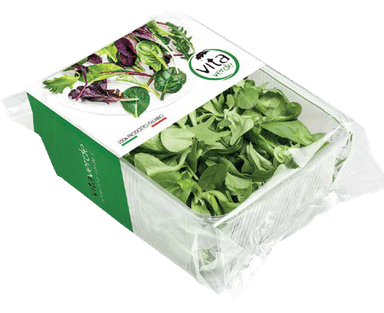
Lamb's lettuce, 100 g
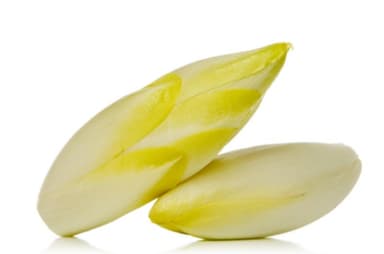
Chicory, II class, kg

Frillis Lettuce
