
Breakfast cereals TRYS DRAUGAI, 175 g
152 people viewed this product
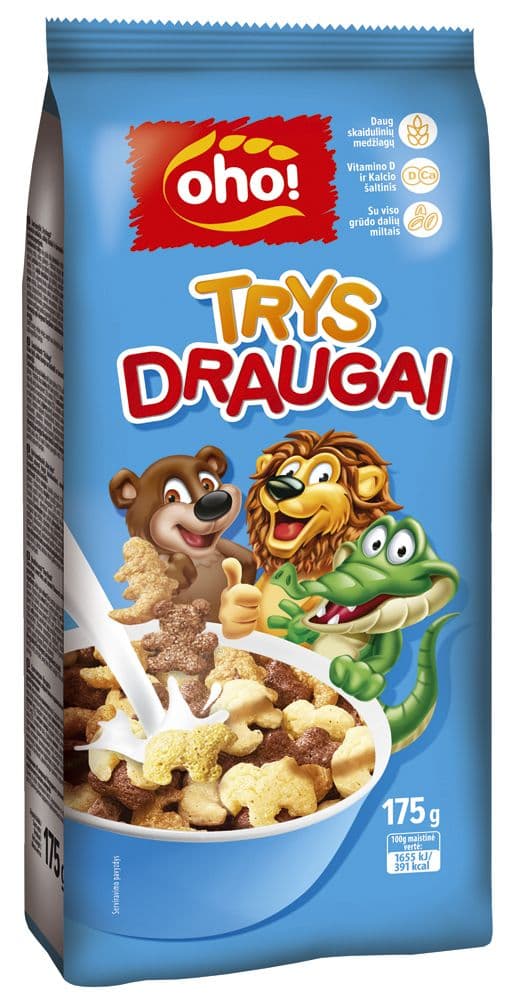
Breakfast cereals TRYS DRAUGAI, 175 g
Unlock Full Product Analysis
Get AI-powered ingredient breakdowns, personalized health insights, and smarter food choices — all inside Telegram.
Noticed incorrect or incomplete information about this product?
Report a problem?
Similar Products
Wheat squares NESTLE Cini Minis, with cinnamon, 450g
Cereals KELLOGG'S Coco Pops, 330 g

Nestlé Corn Flakes Toffee
Crispy sweetened cereal bars, organic
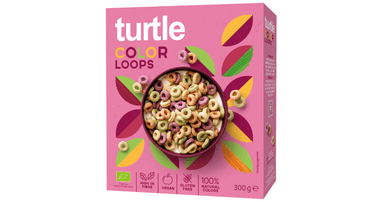
Color Loops Breakfast Cereal, organic
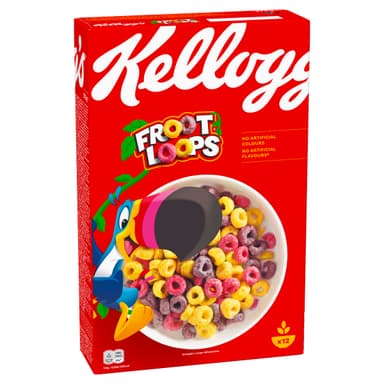
Cereals KELLOGG'S Froot Loops 375g

Sante, Crunchy Fruit Cereal, 350 g
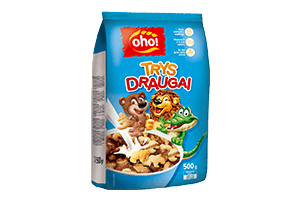
Dry breakfast cereal THREE FRIENDS 500g
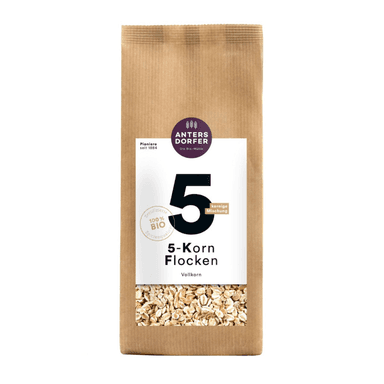
5 grain flakes, organic
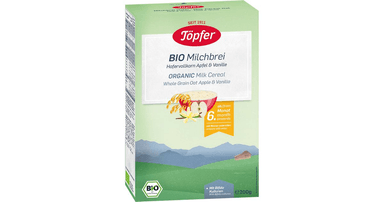
Creamy oatmeal porridge with apples and vanilla for babies from 6 months, organic
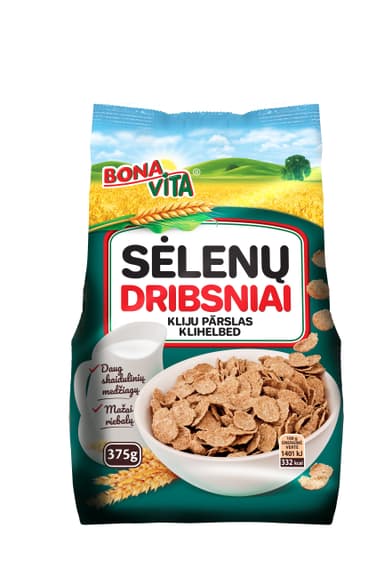
Branflakes BONA VITA, 375 g
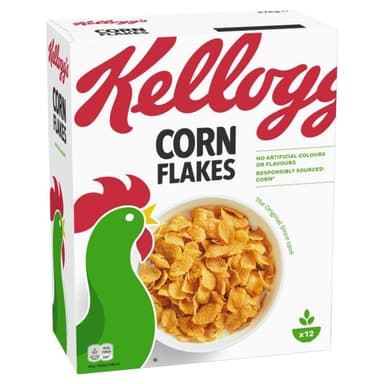
Cereals KELLOGG'S Corn Flakes, 375g

Oat and rice flakes mix
KELLOGS FROOT LOOPS cereal, 375g
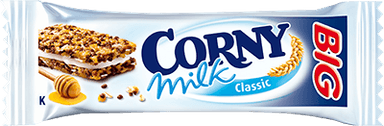
Corny Big Milk Wafer with milk cream filling, 40 g
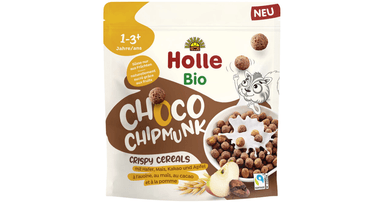
Crispy cocoa breakfast cereal CHOCO CHIPMUNK, organic
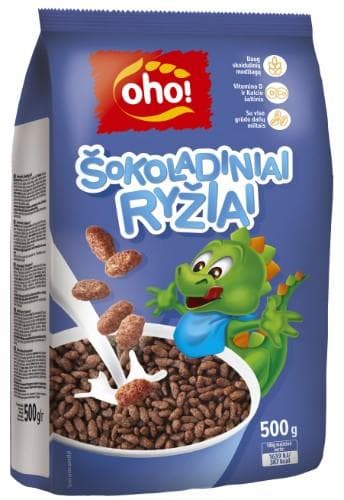
Breakfast cereal Chocolate rice 500g "Oho!"
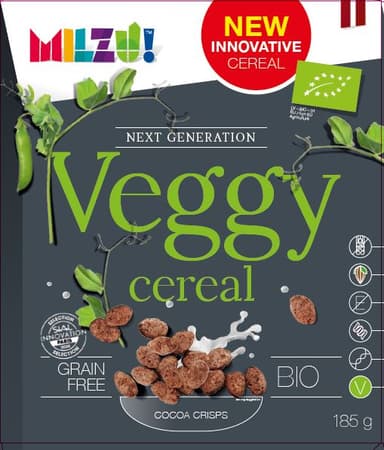
BIO Veggy Cereal BIO MILZU! Be A Star, with black currant juice, 200g LT-EKO-001
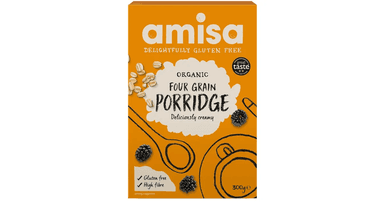
4-grain porridge, gluten-free, organic

Nestlé Chocapic Strong Chocolate Taste Cereal
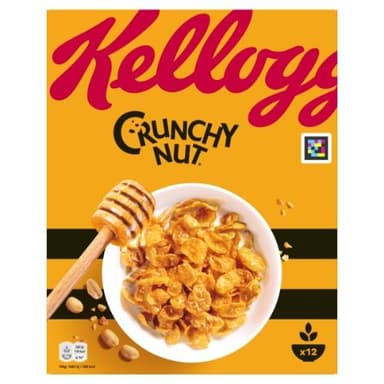
KELLOGG'S Crunchy and Nut, 375g
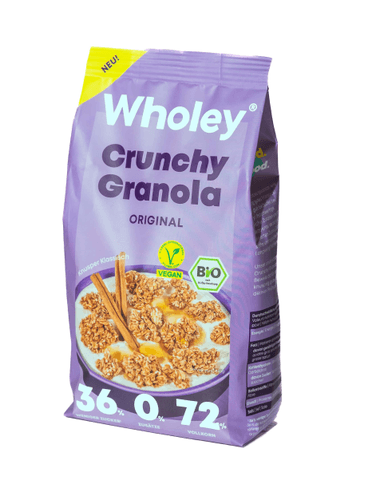
Granola WHOLEY, Original, 300g
Caramel wheat OHO, 150 g

Oho Cookie Rings
