Foodscan.ai
EN
EN
LT
/
Drinks
/
Soft drinks
/
Carbonated soft drinks
/
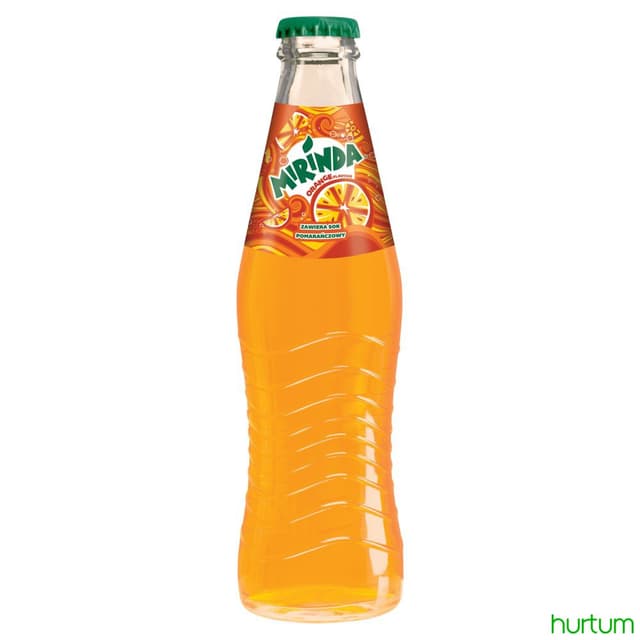
Carbonated drink, MIRINDA, Orange, 0.2 l, glass

Carbonated drink, MIRINDA, Orange, 0.2 l, glass

10 people viewed this product
Share

Carbonated drink, MIRINDA, Orange, 0.2 l, glass

Barcode: 59029083
Country of origin: Poland
Description

Refresh your day with MIRINDA Orange carbonated drink! This 0.2 l glass beverage bursts with vibrant orange flavor and a delightful fizz.

Ingredients

Water, fructose-glucose syrup, carbon dioxide, orange juice (4%) from concentrated juice, acidity regulator (citric acid E330), preservative (potassium sorbate E202), antioxidant (ascorbic acid E300), flavoring, sweeteners (acesulfame K E950, sucralose E955), stabilizer (acacia gum E414), colorants E160e, carotenoids E160a.

Additives

Water

Orange Juice

Flavoring

Fructose-glucose Syrup

Carbon Dioxide

E160A

Sucralose (E955)

Acacia Gum (E414)

Acesulfame K (E950)

E160E

Citric Acid (E330)

Potassium Sorbate (E202)

Ascorbic Acid (E300)

Unlock Full Product Analysis

Get AI-powered ingredient breakdowns, personalized health insights, and smarter food choices — all inside Telegram.

Start Scanning for Free

Additives & Effects

All the information about nutrition and comparison with similar products

Water: Essential for health and hydration; no known side effects.

Orange Juice: Contains vitamins and minerals, but concentrated juice may have reduced nutrient levels.

Flavoring: Specific composition not disclosed; safety depends on the substances used.

Fructose-glucose syrup: High consumption linked to obesity and metabolic issues.

Carbon Dioxide: Used for carbonation; generally safe but excessive intake may cause bloating or discomfort.

Carotenoids: Natural pigments; generally safe and may have antioxidant benefits.

Sucralose: Artificial sweetener with no calories; generally recognized as safe but may affect gut microbiota in large amounts.

Acacia Gum: Used as a stabilizer and thickening agent; generally safe but may cause digestive discomfort if consumed in excess.

Acesulfame K: Artificial sweetener that is calorie-free; generally recognized as safe but concerns exist regarding overuse.

Beta-Apo-8'-Carotenal (C30): Used as an orange colorant; considered safe in moderate amounts.

Citric Acid: Commonly used as an acidity regulator; excessive consumption may cause tooth enamel erosion.

Potassium Sorbate: Used to prevent mold and yeast growth; generally recognized as safe but may cause allergic reactions in sensitive individuals.

Ascorbic Acid: Acts as an antioxidant and is generally safe; overconsumption in high doses might cause gastrointestinal discomfort.

Additives Overview

Powered by AI

The Mirinda carbonated drink contains several additives which are generally recognized as safe (GRAS) by food authorities. However, excessive consumption of sweeteners like acesulfame K and sucralose may lead to potential side effects such as gastrointestinal discomfort or alterations in gut microbiota. The presence of preservatives like potassium sorbate and acidity regulators like citric acid is common in beverages but may cause allergic reactions in sensitive individuals. Overall, moderate consumption is advised.

Analysis Based on +110,000 Science & Nutrition Studies

Nutritional Value

All the information about nutrition and comparison with similar products (per 100 g / 100 ml)
Nutrition
Amount per 100g/ml
Energy
-53%
122 kJ
Calories
-53%
29.16 kcal
Fats
-100%
0g
Saturated Fats
-100%
0g
Carbohydrates
7g
Sugars
7g
Proteins
-100%
0g
Salt
-67%
0.01g

How long would it take to burn off calories of this product?

29.16 kcal
Calories
6min
Walking
2min
Running
3min
Cycling

Product Analysis

Powered by AI

The Mirinda carbonated drink contains several additives which are generally recognized as safe (GRAS) by food authorities. However, excessive consumption of sweeteners like acesulfame K and sucralose may lead to potential side effects such as gastrointestinal discomfort or alterations in gut microbiota. The presence of preservatives like potassium sorbate and acidity regulators like citric acid is common in beverages but may cause allergic reactions in sensitive individuals. Overall, moderate consumption is advised.

Other details

Added
January 19, 2025 at 15:22:15 UTC
Last checked
-
Last updated
April 6, 2026 at 15:58:52 UTC
Noticed incorrect or incomplete information about this product?
Report a problem?
;