
/
Drinks
/Soft drinks
/Carbonated soft drinks
/Carbonated soft drink RASA lemon and grapefruit flavour, 2l
Carbonated soft drink RASA lemon and grapefruit flavour, 2l
137 people viewed this product
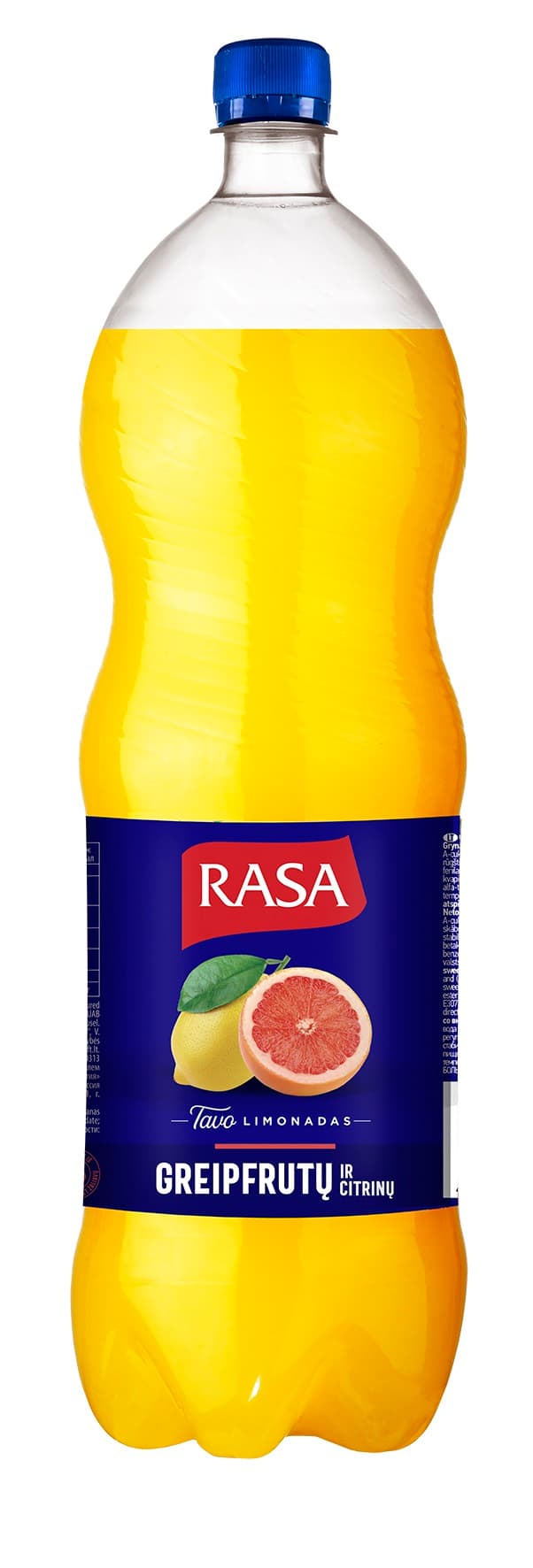
Carbonated soft drink RASA lemon and grapefruit flavour, 2l
Unlock Full Product Analysis
Get AI-powered ingredient breakdowns, personalized health insights, and smarter food choices — all inside Telegram.
Noticed incorrect or incomplete information about this product?
Report a problem?
Similar Products

Öun, Organic Apple Sparkling Juice Drink, 330 ml
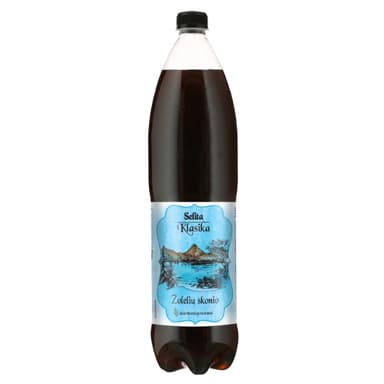
Carbonated soft drink SELITA Klasika, flavored with herbal flavor, 1.5 l
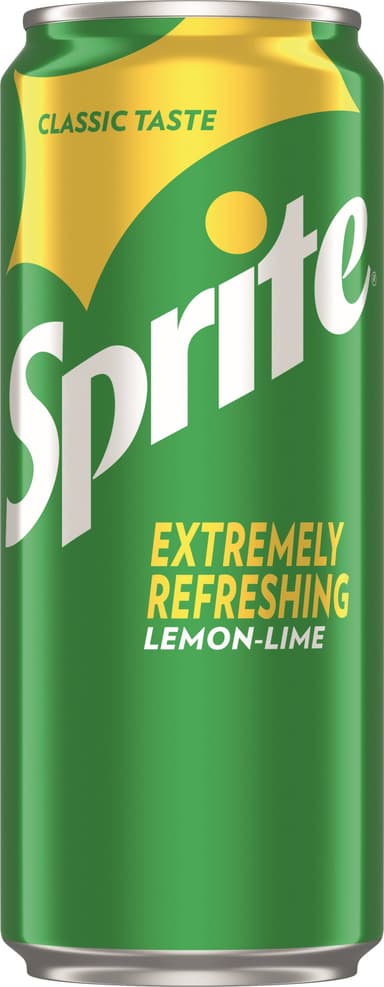
Carbonated soft drink SPRITE, 0,33 l, can
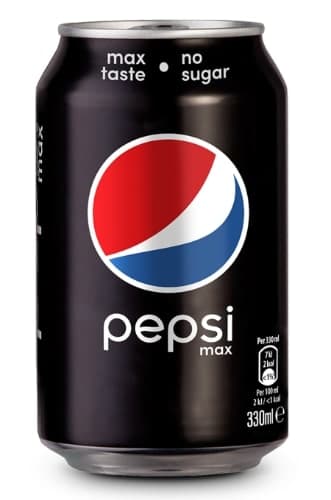
Drink PEPSI Max, 0.33 l, Skard.
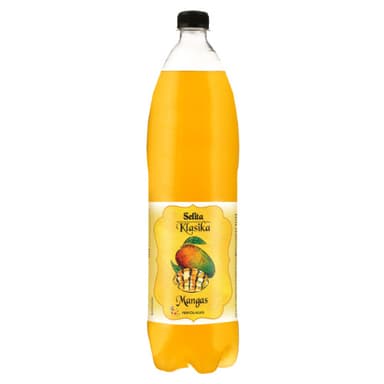
Carbonated soft drink SELITA Klasika, mango flavor, 1.5 l

RC Cola, soft drink

Carbonated lemon-flavored soft drink with sweeteners LILI "Citrina" 3
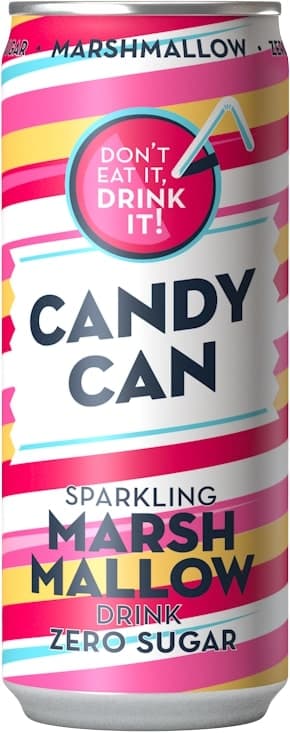
Carbonated soft drink CANDY CAN Marsh mallow, 0.33l

Kelluke, Lemonade with raspberry flavor, 500 ml
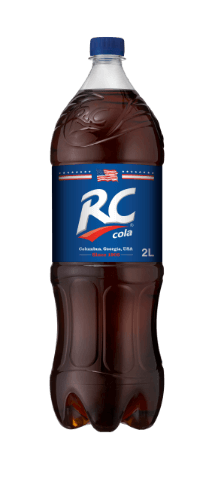
Carbonated soft drink RC COLA, 2 l, PET
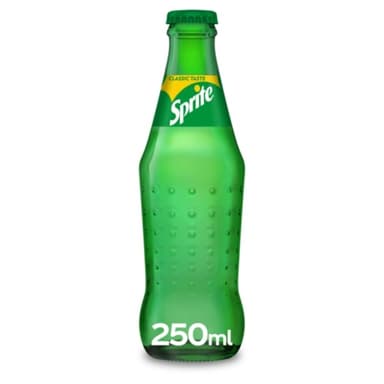
Soft drink Sprite sparkling 0.25 l glass bottle
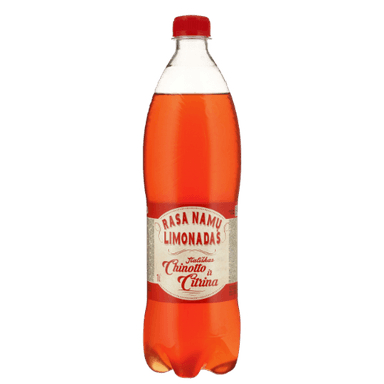
Carbonated soft drink RASA Homemade Lemonade, chinotto and lemon flavor, 1 l
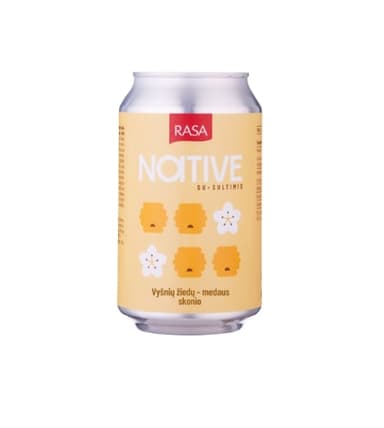
Carbonated soft drink RASA Native, cherry blossom - honey flavor, 0.33 l
Carbonated soft drink DR. PEPPER, 0,33 l, can
Lemon - strawberry flavor soft drink ENJOY, 0,33 l

Tanheiser Kali Original
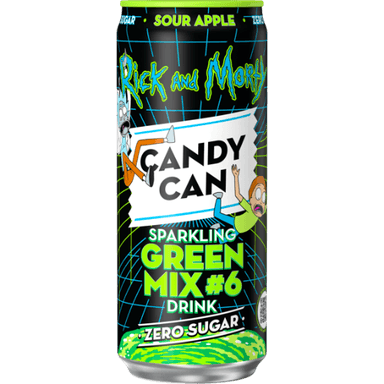
Sparkling refreshing drink CANDY CAN Rick & Morty Green mix, 0.33 l D
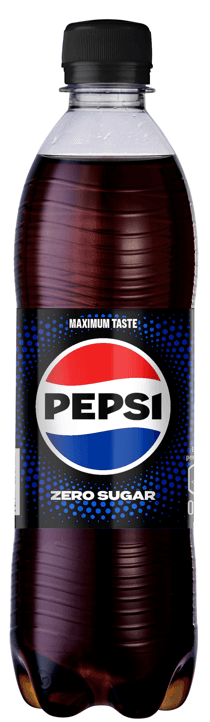
Carbonated drink PEPSI MAX 0,5L PET
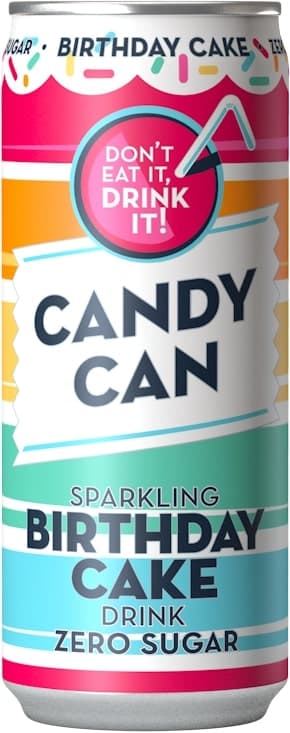
Sparkling refreshing drink CANDY CAN Birthday cake, 0.33 l D
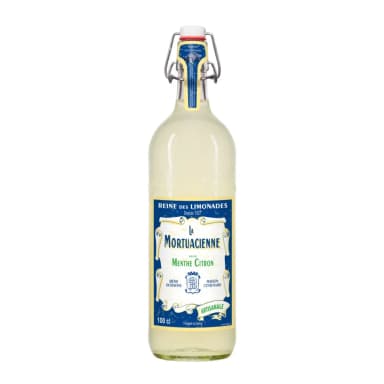
Sparkling mint and lemon flavored drink MENTHE CITRON
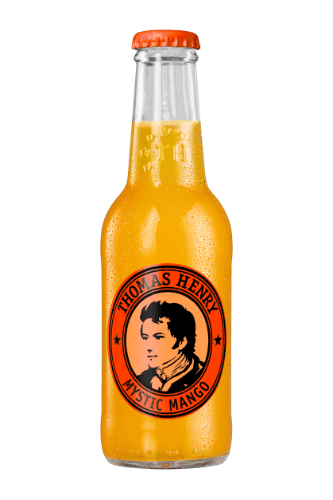
Carbonated soft drink THOMAS HENRY Mystic Mango,non-alcoholic,0.2l bot.D
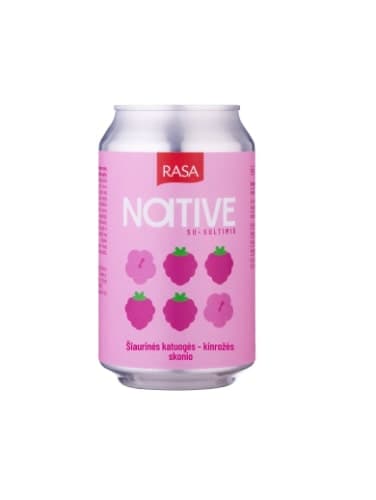
Carbonated soft drink RASA Native straw katuoge - Chinese rose flavor, 0.33 l

Coca-Cola, 6-pack, 6x330ml
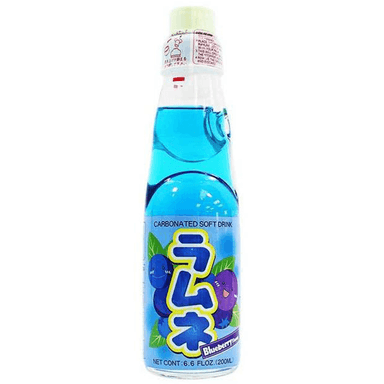
Soft carbonated drink HATAKOSEN Ramune Blueberry, 0.2l, pcs
