
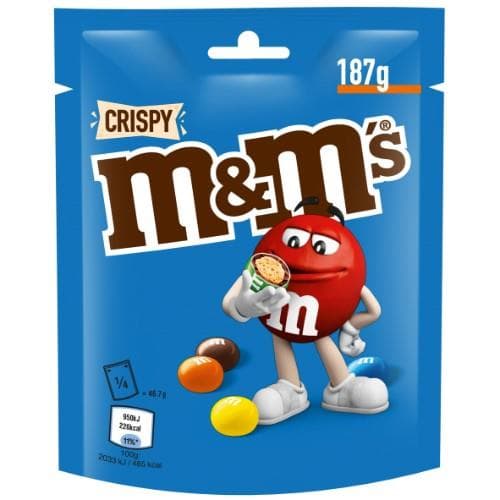
Dragee M&M's Crispy, with crispy filling, 187g
Unlock Full Product Analysis
Get AI-powered ingredient breakdowns, personalized health insights, and smarter food choices — all inside Telegram.
Noticed incorrect or incomplete information about this product?
Report a problem?
Similar Products
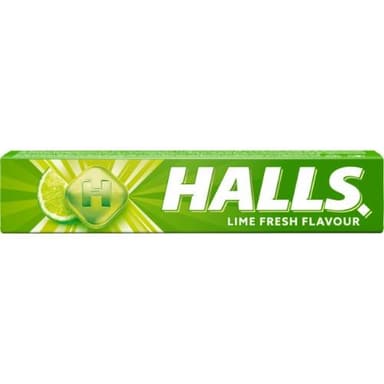
Candies HALLS Lime, 33,5 g
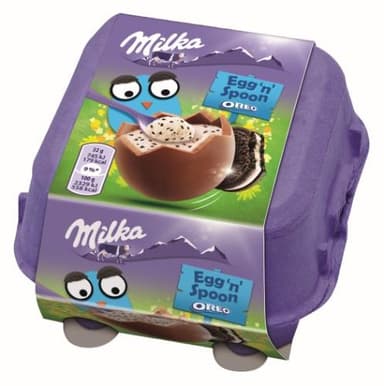
Milka eggs with Oreo filling, with spoon, 128 g

Candy set PRALINE PIEMONTESI MISTE
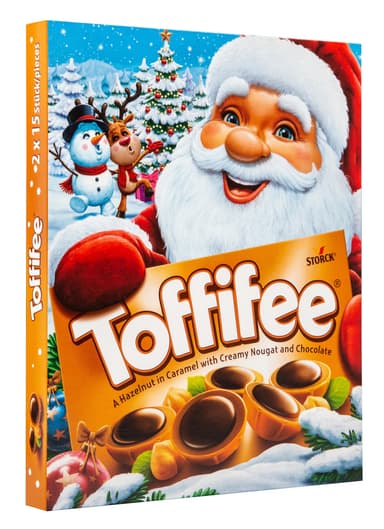
Chocolate candy TOFFIFEE Santa Claus, 250 g

Sweets LEMON, (1) kg
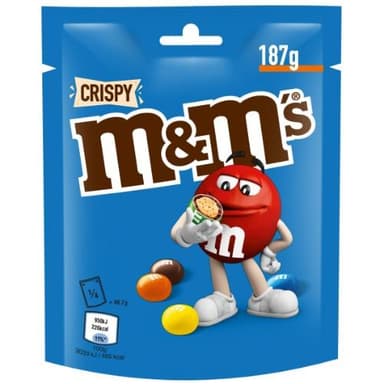
Dragee M&M's Crispy, with crispy filling, 187g
Jellys RED BAND Sour Bears, 100 g
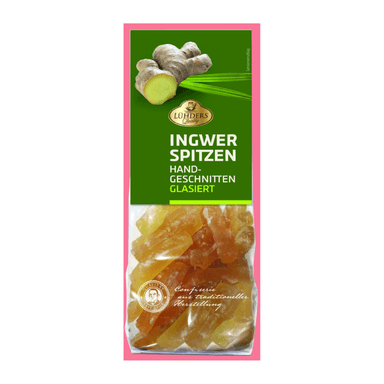
Candied ginger sticks

Mentos, Fruit Mix Chewy Candies, 160g
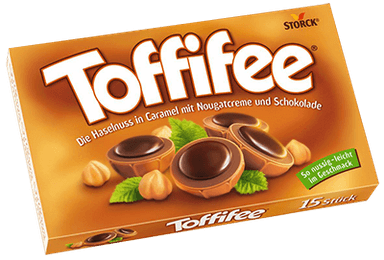
TOFFIFEE Confectionery, 125 g

Kalev Kiss-Kiss soft toffee
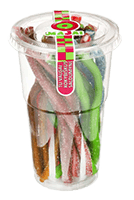
MAJAI gummy sticks (assorted flavors), 140 g

FERRERO ROCHER chocolates, 200 g
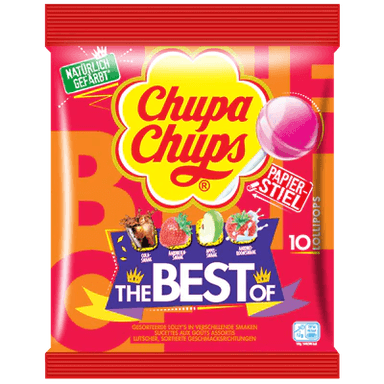
Lollipops CHUPA CHUPS, The Best Of, various flavors, 10 pcs, 120 g
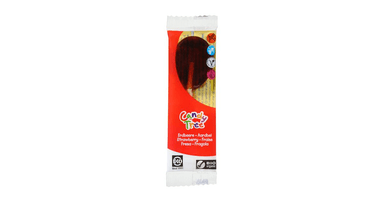
Strawberry-flavored lollipop, organic
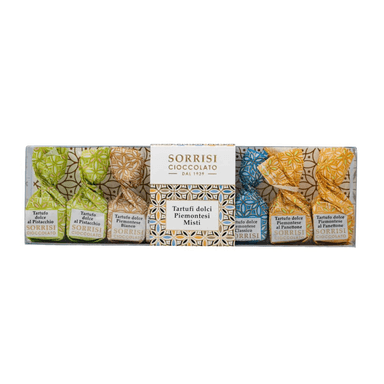
Truffles PIEMONTESE MIX, in a box

Sour Cream Candies Nostalgia
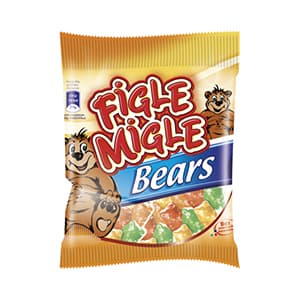
Gummies FIGLE MIGLE Bears, 80 g
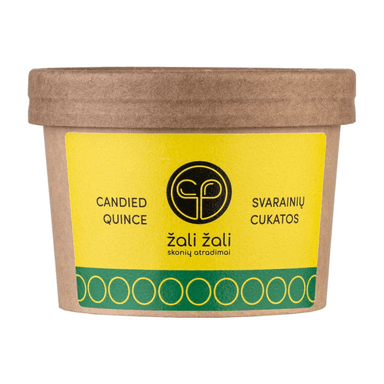
Quince candied fruit

CHUPA CHUPS Strawberry Flavour Chewing Candies, 45 g
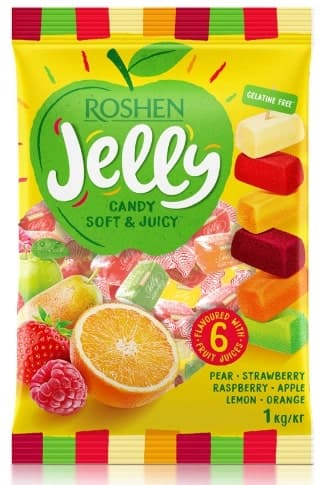
Jellies JELLY, 1kg
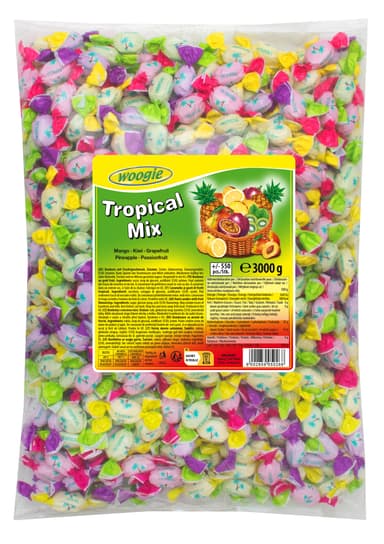
Candies WOOGIE, Tropical mix, 3 kg
Sweets MERCI Crispy Almond, 250 g

Assorted sweets PERGALĖ, with dark chocolate, 171 g
