
Energy drink Red Bull Red Edition , 0,25l
167 people viewed this product
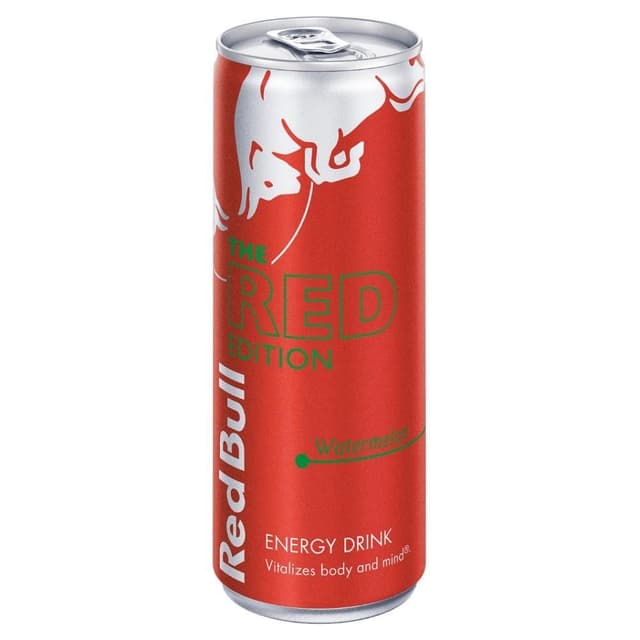
Energy drink Red Bull Red Edition , 0,25l
Unlock Full Product Analysis
Get AI-powered ingredient breakdowns, personalized health insights, and smarter food choices — all inside Telegram.
Noticed incorrect or incomplete information about this product?
Report a problem?
Similar Products

Red Bull, Sugar-Free Energy Drink 4-pack, 4x250ml
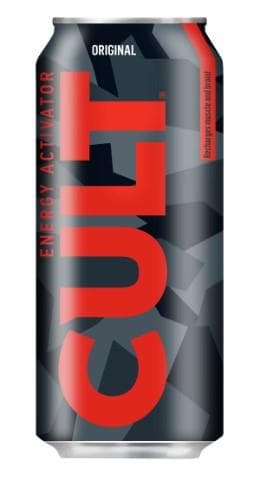
Energy drink CULT, Original, 0,5 l
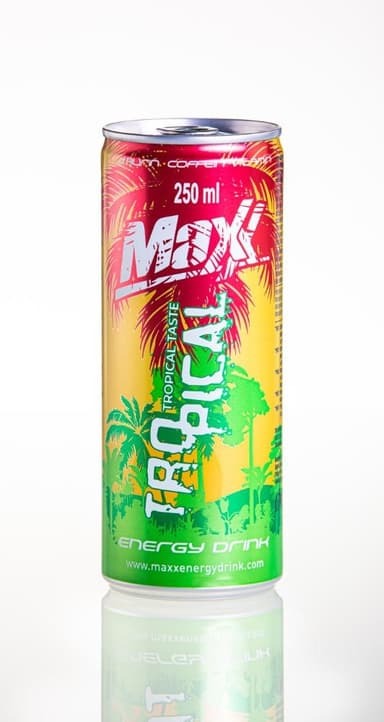
Energy drink, MAXX, Tropical, 250 ml, D
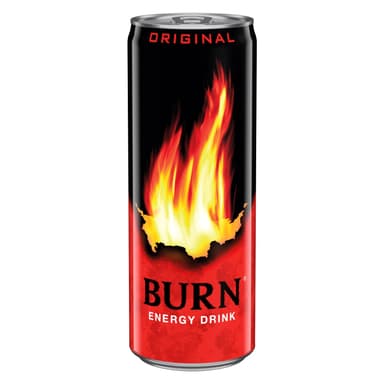
Energy drink BURN 330ml
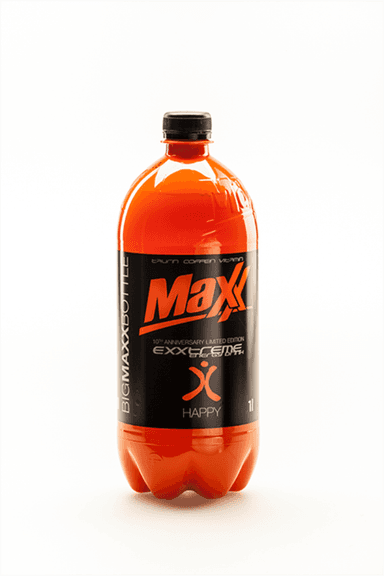
Energy drink, MAXX, Happy, 1l, D
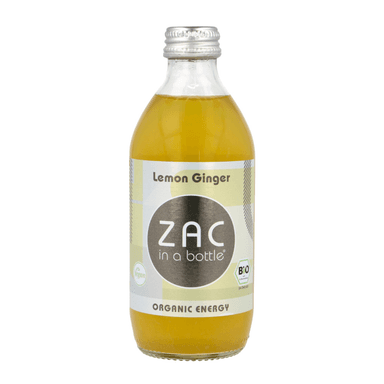
Energy drink CITRUS AND GINGER, organic
Energy drink RED BULL, 473 ml
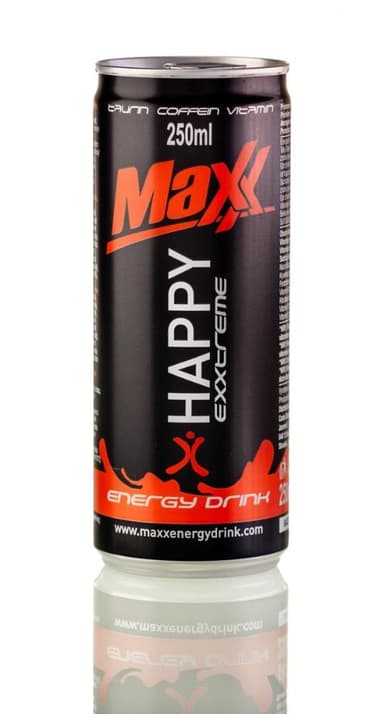
Energy drink, MAXX, Happy, 250 ml, D

Red Bull Energy Drink

Vitamin Well Active vitamin drink
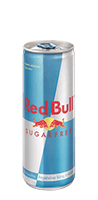
Energy drink RED BULL SUGARFREE, 0.25l
BURN ORIGINAL Energy Drink 330ml

MONSTER JUICED MANGO LOCO Energy Drink 500ml
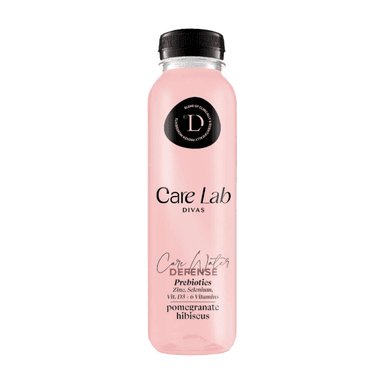
Functional drink DEFENSE with prebiotics

Nocco San Citro

MONSTER, Energy Drink Full Throttle Zero Sugar
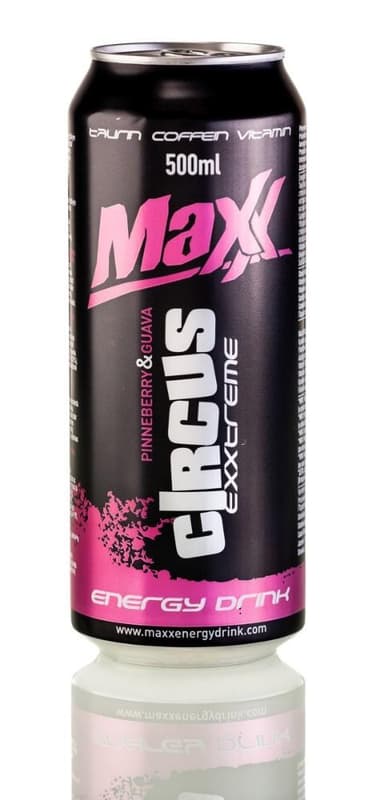
Energy drink, MAXX, Circus, 500 ml, D
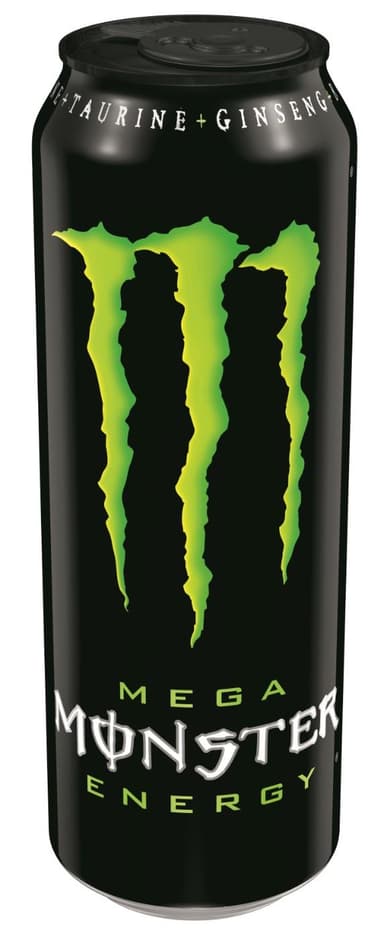
Energy drink, MONSTER Energy, 0,553l, can, D

Dynami:T, Energy Drink Power
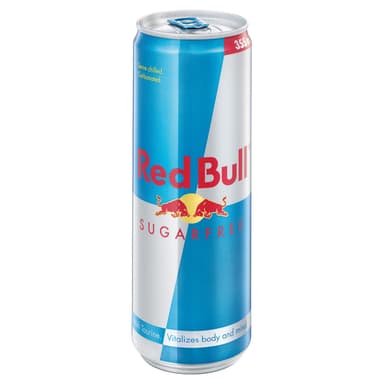
Energy drink Red Bull Sugarfree 0,355 l
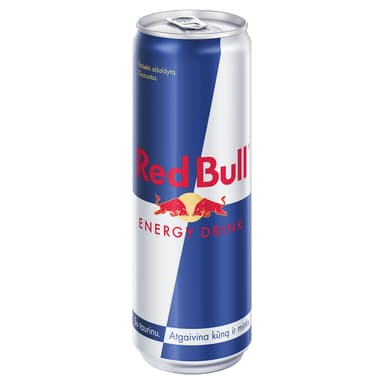
Energy drink RED BULL, 0,355 l
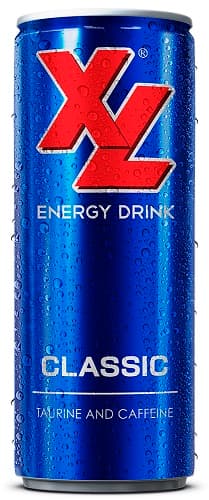
Energy drink XL, 0,25 l

Dynami:T, Energy Drink Power Zero
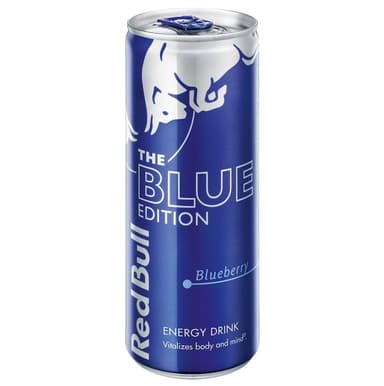
Energy drink Red Bull Blue Edition 0,25l
