
Hot chocolate capsules MARS, 8 x 15 g
169 people viewed this product
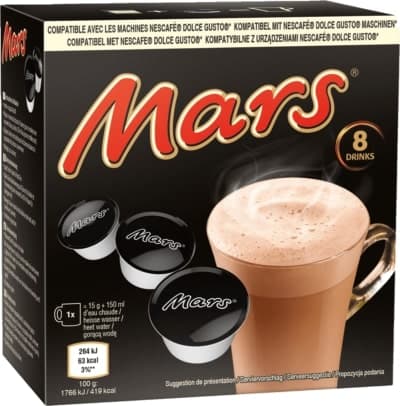
Hot chocolate capsules MARS, 8 x 15 g
Unlock Full Product Analysis
Get AI-powered ingredient breakdowns, personalized health insights, and smarter food choices — all inside Telegram.
Noticed incorrect or incomplete information about this product?
Report a problem?
Similar Products
Cacao powder, lower fat, 100 g
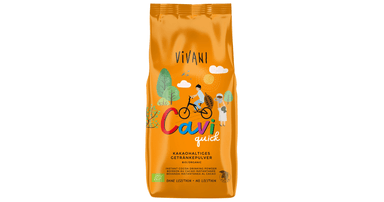
Vivani instant cocoa drink, organic
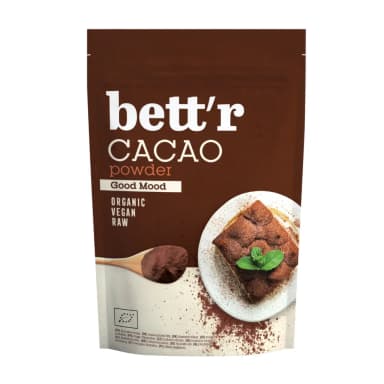
GOOD MOOD cocoa powder, organic
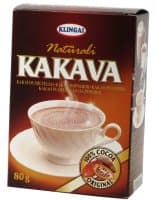
Cocoa powder, 80 g
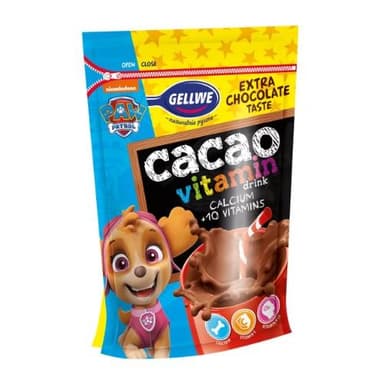
Cocoa instant drink GELLWE Paw Patrol, 150g
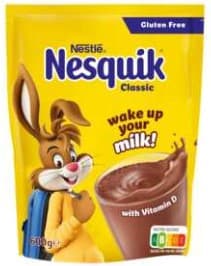
Soluble cocoa NESTLE NESQUIK Classic, 600g

Nesquik Original, soluble cocoa drink

Cacao powder , alkalised, 20-22%, 1kg
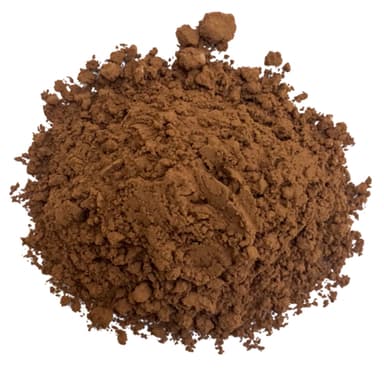
Cocoa natural, 10-12%, 1 kg
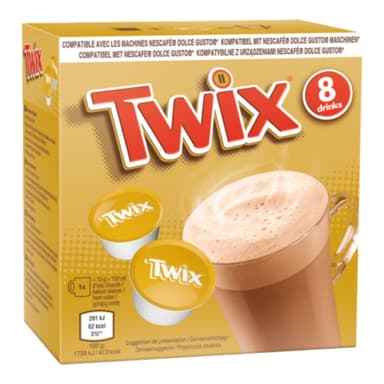
Hot chocolate capsules TWIX, 8 x 15 g
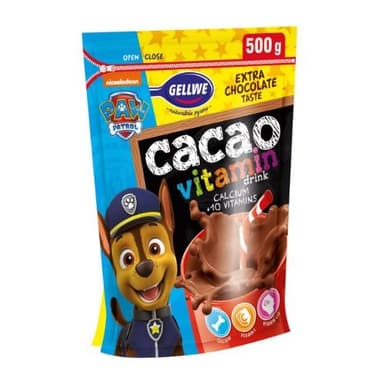
Cocoa instant drink GELLWE Paw Patrol, 500 g
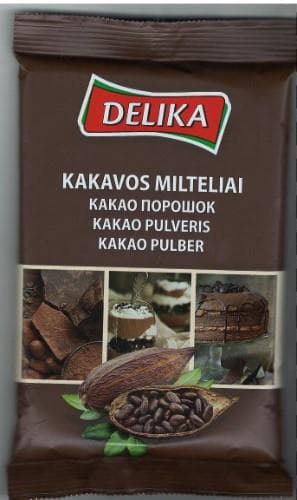
Cacao, 100 g
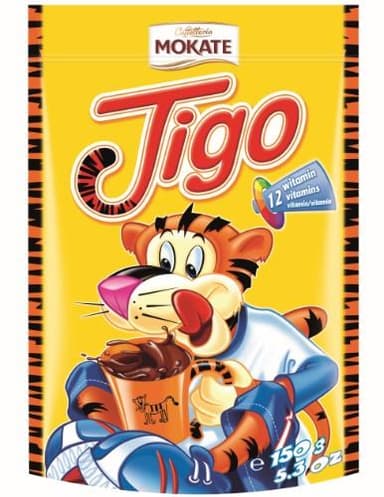
Cocoa TIGO, 150g
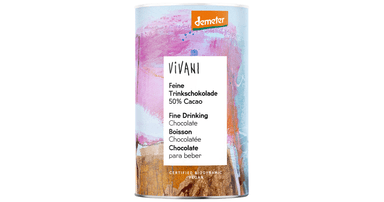
Drinking chocolate powder, biodynamic

Caprimo Red Instant Hot Chocolate
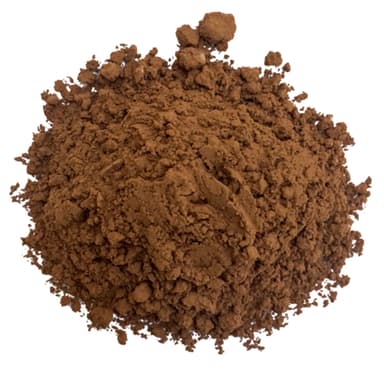
Cocoa alkalised, 10-12%, 1 kg
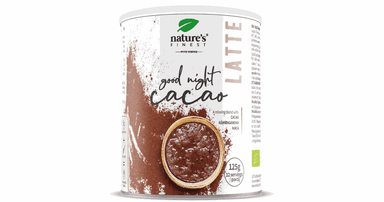
Organic drink powder 'Good Night Latte'
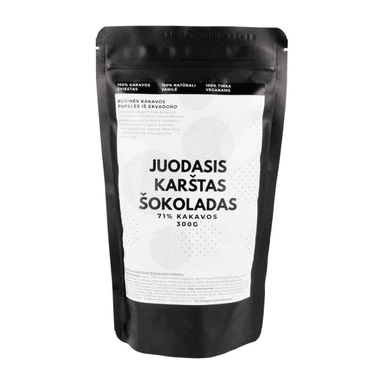
Dark hot chocolate, 71%
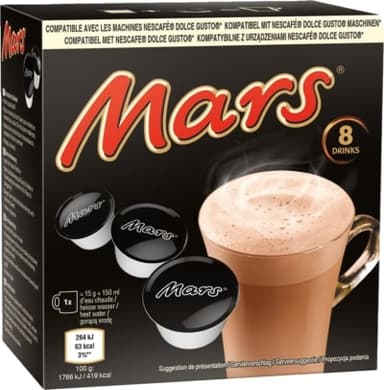
Hot chocolate capsules MARS, 8 x 15 g
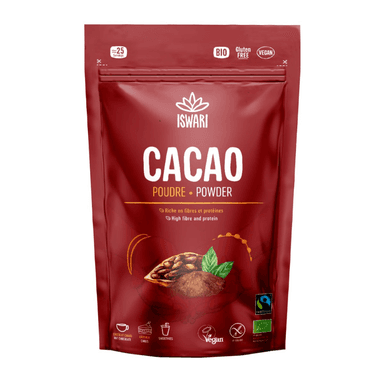
Organic cocoa powder
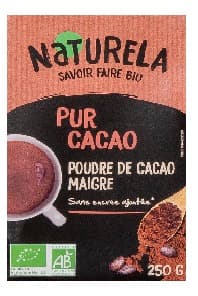
Organic cacao Naturela 250g LT-EKO-001
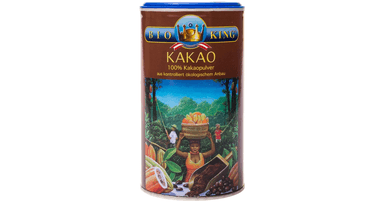
Cocoa, organic

Celiko, Soluble granulated cocoa drink powder
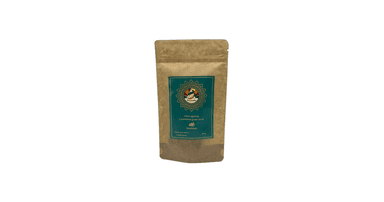
Ceremonial Cocoa 'Criollo'
