
/
Bread products and confectionary
/Lavash tortillas
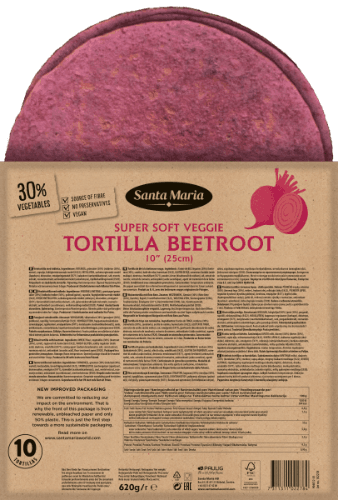
/Tortilla beetroot 10 25cm santa maria 620 g
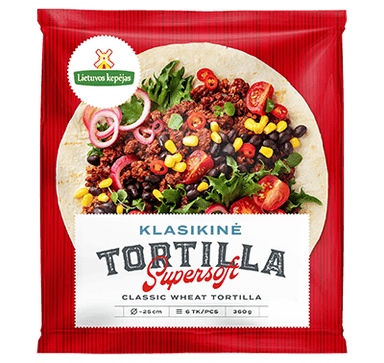
/CLASSIC tortilla 360g 6 pcs
CLASSIC tortilla 360g 6 pcs
104 people viewed this product
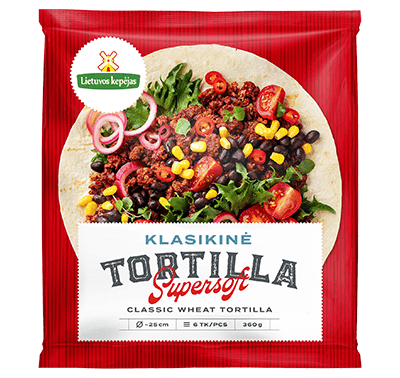
CLASSIC tortilla 360g 6 pcs
Unlock Full Product Analysis
Get AI-powered ingredient breakdowns, personalized health insights, and smarter food choices — all inside Telegram.
Noticed incorrect or incomplete information about this product?
Report a problem?
Other Similar Categories
Bread lavas 27 cm 20 x 60 g m
Bread lavas 300 g 5 pcs.
Bread lavas 30 cm 20 x 90 g m
Corn baskets el sabor 12 pcs 150 g
Grilled tortilla funtastic 4pcs. x 25 cm 250 g
Grilled tortillas 12 santa maria 30cm 12 pcs. 1080 g
Maize taco shells santa maria tex mex 135 g
Mini nacho chips santa maria 475g
Multigrain tortillas tortillove wheat and rye 25 cm x 6 pcs 360 g
Small tortilla original santa maria tex mex 8 pack 200 g
Tortilla beetroot 10 25cm santa maria 620 g
Tortilla carrot 10 25cm santa maria 620 g
Tortilla corn wheat medium 8 pack 336gx12
Tortilla funtastic 8pcs. x 20 cm 296 g
Tortilla funtastic durum full grain grill 18pcs. x 30 cm 1755 kg
Tortilla original large 6 pack 371gx12
Tortilla original medium 8 pack 320gx8
Tortillas 6 santa maria 15 cm 12 units 330 g
Tortilla santa maria with whole wheat medium 8 pack 320g
Tortilla turka wheat 25 cm 18 pcs 09kg
Tortilla turka wheat 30 cm 18 pcs 144kg
Tortilla turka wheat 30 cm 8 pcs 064kg
Wheat scones wheat tortilla 12 1080 g
Wheat tortilla 10 12 pcs. 750 g
Wheat tortilla 8 12 pcs. 480 g
Wheat tortillas santa maria with beetroots 6 pcs. 240 g
Wheat tortillas santa maria with carrots 6 pcs. 240 g
Wheat tortilla wrap 12 900 g
Whole grain tortilla tortillove wheat and rye 25 cm x 6 pcs 360 g
