
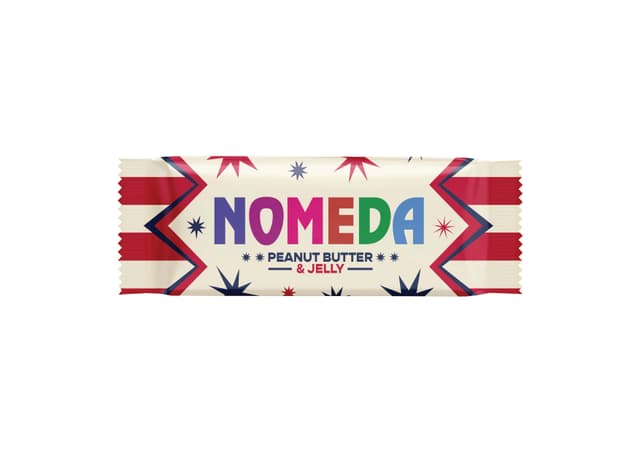
Chocolate sweets NOMEDA, with nut cream and jelly, 1kg
Unlock Full Product Analysis
Get AI-powered ingredient breakdowns, personalized health insights, and smarter food choices — all inside Telegram.
Noticed incorrect or incomplete information about this product?
Report a problem?
Similar Products
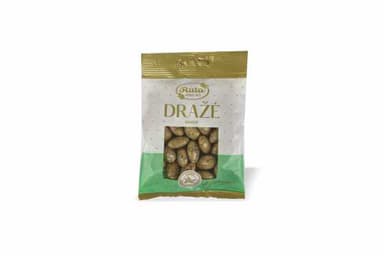
Dragee RŪTA Almonds with white chocolate and coffee, 100 g
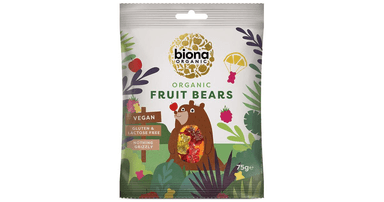
Gummy Bears 'Meškiukai', organic
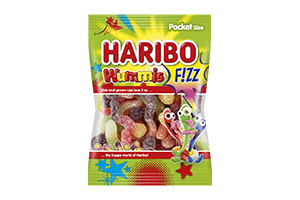
Sour gummy jelly candies HARIBO WUMMIS FIZZ 100g
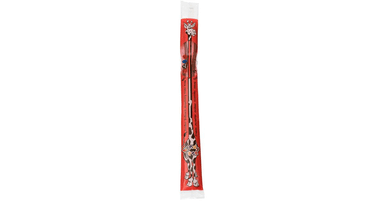
Strawberry-flavored candy 'Giraffe', organic
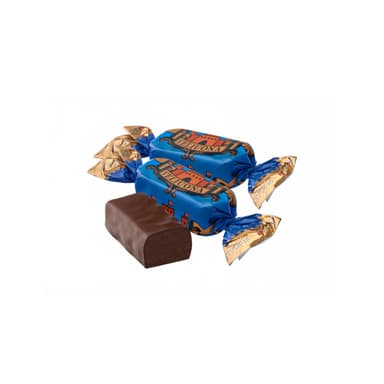
Sweets VELIUONA, 1 kg
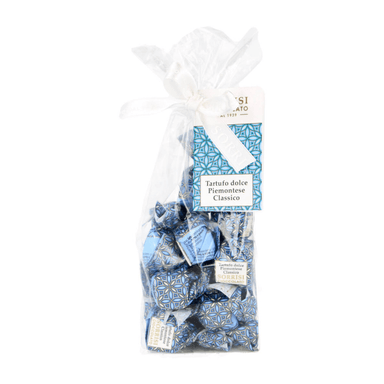
Truffles PIEMONTESE CLASSIC

Skittles Fruits candies
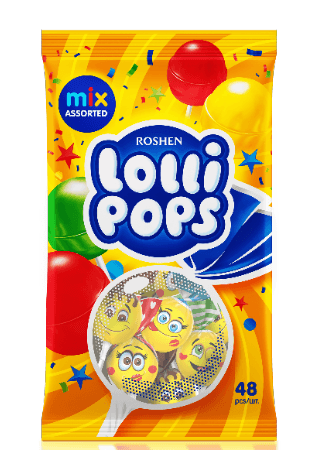
Caramel candy ROSHEN Lolipops, cocktail flavor, 0,92 kg
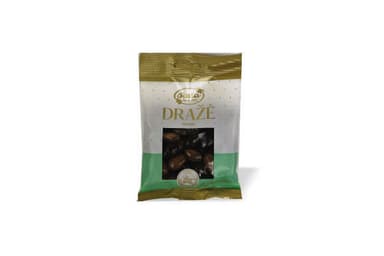
Dragee RŪTA Almonds with chocolate and coffee, 100 g
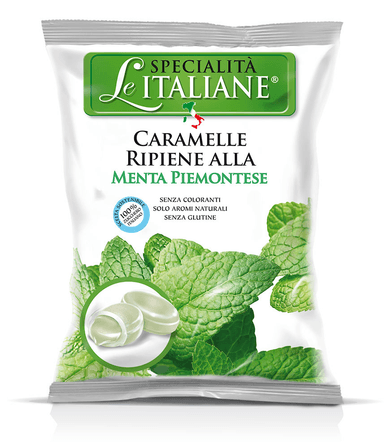
Mint candies MENTA IN PIEDMONT

Karl Fazer American Pastilles milk chocolate with chocolate lentils
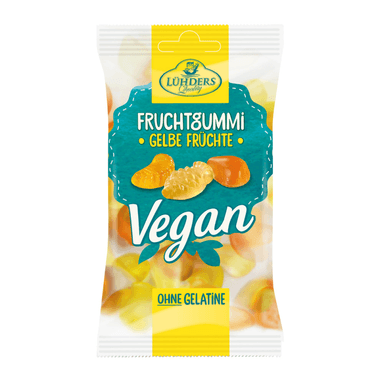
Vegan Soft Gummies EXOTIC FRUITS

NERDS RAINBOW Chewy Candy
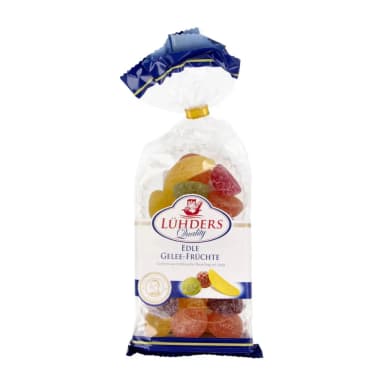
Fruit-flavored jelly candies, 3 colors
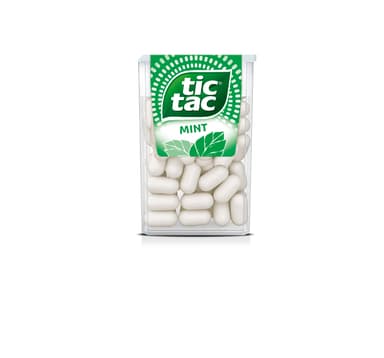
Candies TIC TAC, mint flavour, 18 g
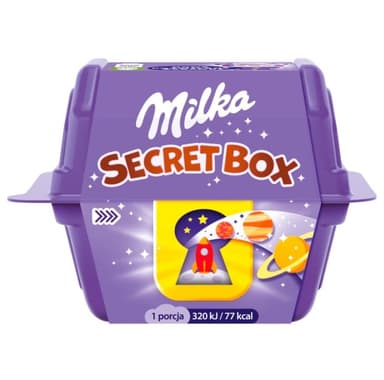
Candy box MILKA Secret Box, 14,4 g
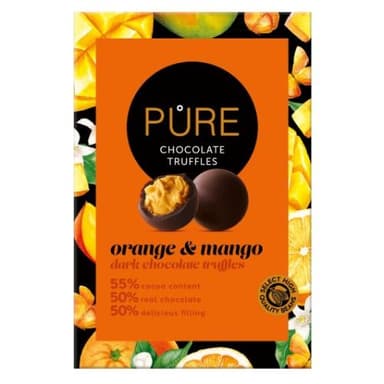
Chocolate truffles PURE with orange mango cream filling 148g
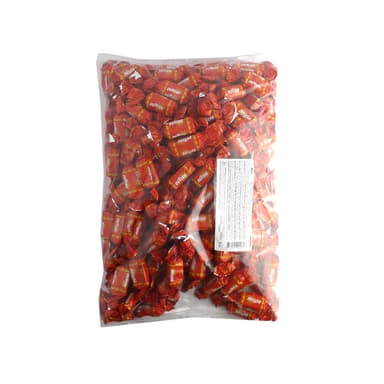
Sweets MIGLE, 3kg
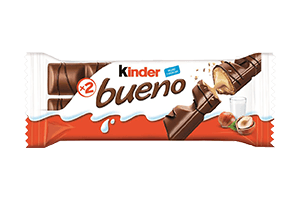
KINDER BUENO Chocolate Bar 43g
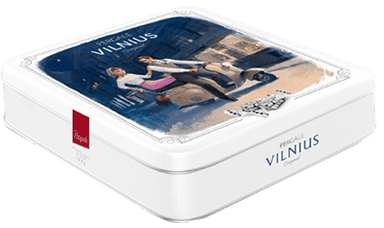
PERGALĖS candies VILNIUS ORIGINAL, 380 g
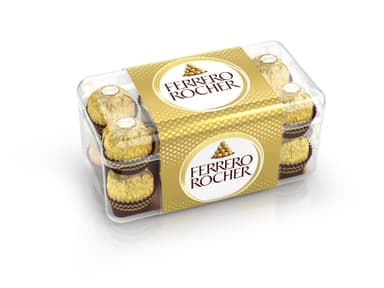
Sweets Rocher box 200g
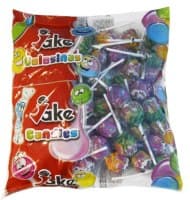
Fruit lollipop JAKE MAXI GUM, 26 g x 50 pcs.
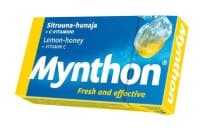
Lozenge MYNTHON Lemon-honey, 39 g
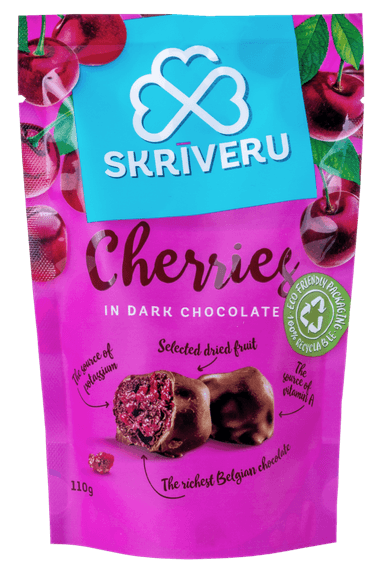
Cherries in dark chocolate SKRIVERU
