
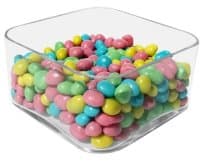
Coloured raisins, (1) kg
Unlock Full Product Analysis
Get AI-powered ingredient breakdowns, personalized health insights, and smarter food choices — all inside Telegram.
Noticed incorrect or incomplete information about this product?
Report a problem?
Similar Products
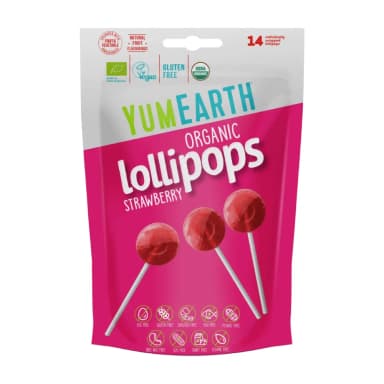
Strawberry-flavored lollipops on a stick, organic
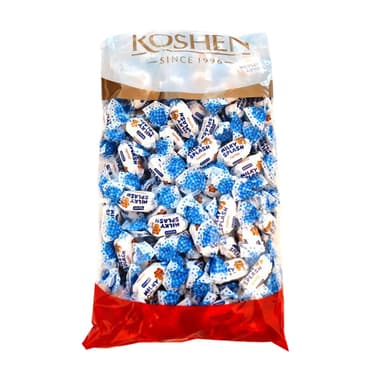
Sweets ROSHEN Milky Splash, with milk fill, 1kg
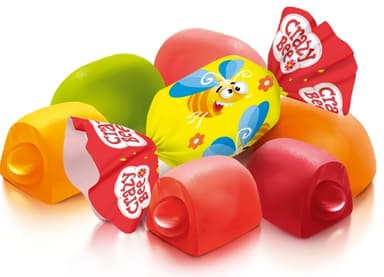
Gummies CRAZY BEE FRUTTY, with variuos fruit flavour, (1) kg
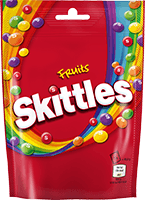
Chewy candies SKITTLES FRUIT, 174 g
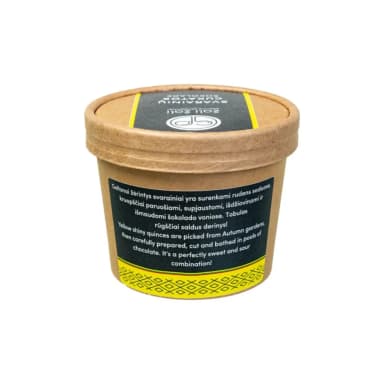
Quince candied in dark chocolate
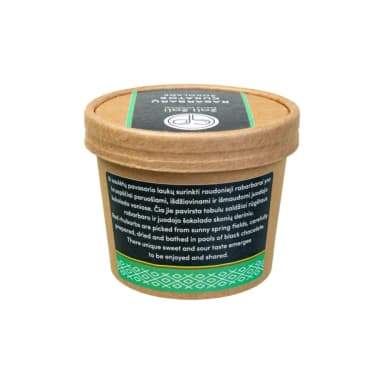
Candied rhubarb in dark chocolate
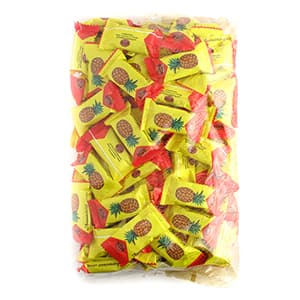
Sweets ANANASINIAI, 1 kg
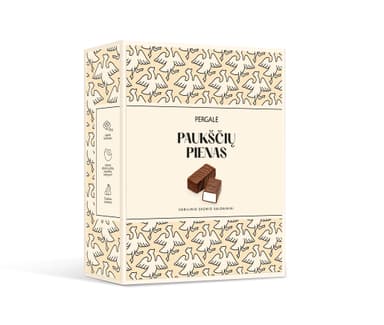
Sweets PERGALĖ, Bird's milk, 155 g
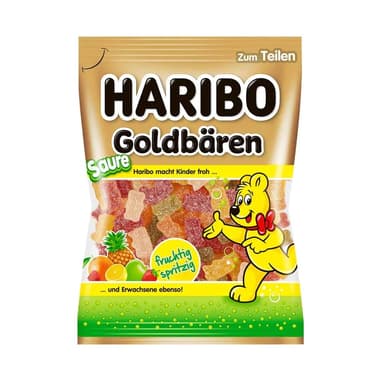
Gummies HARIBO, Goldbären sauer, 175 g
Sour Patch Kids Strawberry Flavour Jelly Candy with Sour Coating
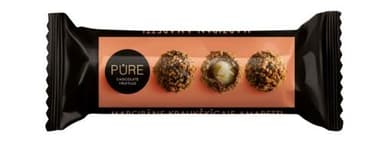
Chocolate truffles PURE with marzipan cream filling and crispy amarett
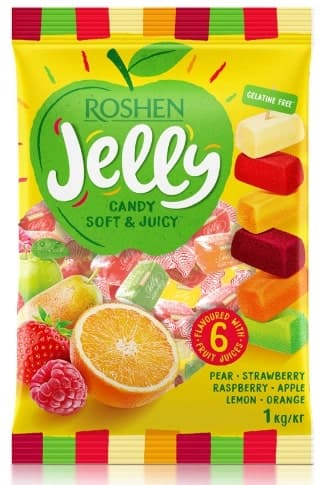
Jellies JELLY, 1kg
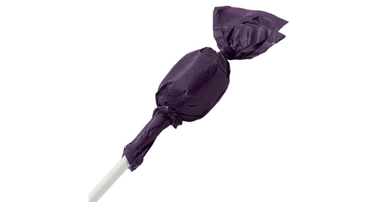
Organic blackcurrant-flavored lollipop
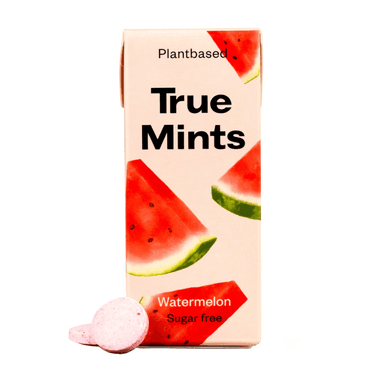
TRUE MINTS watermelon-flavored candies, sugar-free
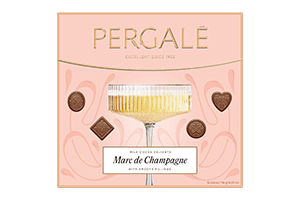
Milk Chocolate Candy Collection PERGALĖ MARC DE CHAMPAGNE 114g
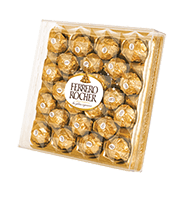
FERRERO ROCHER Chocolates (24 pcs), 300 g
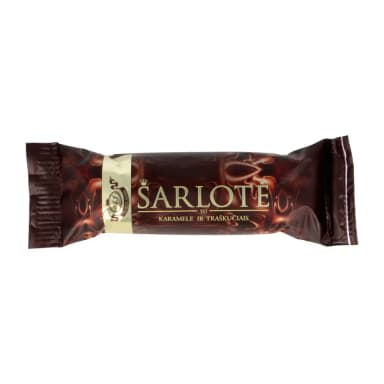
Chocolate with caramel and crispy bits CHARLOTTE
Staburadze Puppies Chocolate, 6 pcs
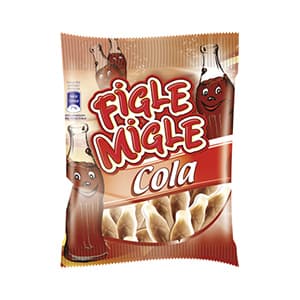
Gummies FIGLE MIGLE Cola, 80 g
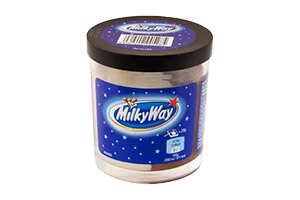
Spreadable chocolate cream MILKY WAY 200g
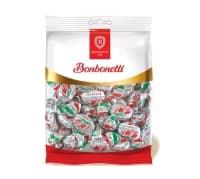
Caramel ROSHEN Barberry, 126 g
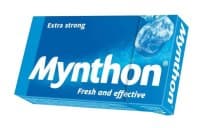
Pastilles MYNTHON Extra Strong, 34 g
Kalev milk chocolate medal
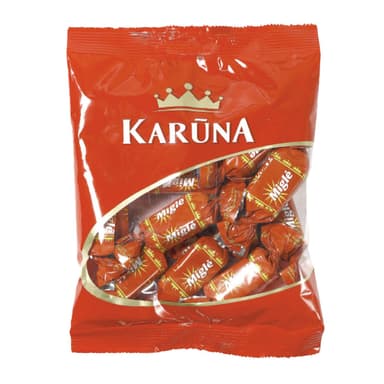
Sweets MIGLE, 190 g
