
/
Grocery
/Soups porridge dry flakes
/Breakfast cereals
/Creamy oatmeal porridge with apples and vanilla for babies from 6 months, organic
Creamy oatmeal porridge with apples and vanilla for babies from 6 months, organic
121 people viewed this product
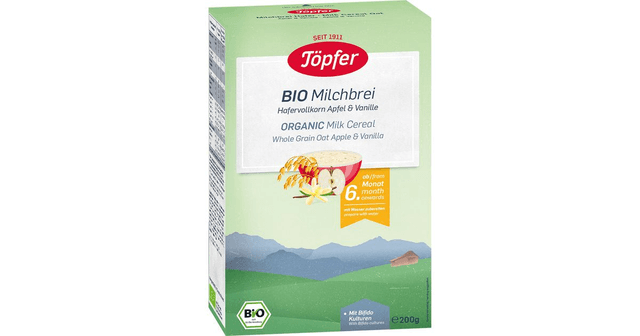
Creamy oatmeal porridge with apples and vanilla for babies from 6 months, organic
Unlock Full Product Analysis
Get AI-powered ingredient breakdowns, personalized health insights, and smarter food choices — all inside Telegram.
Noticed incorrect or incomplete information about this product?
Report a problem?
Similar Products
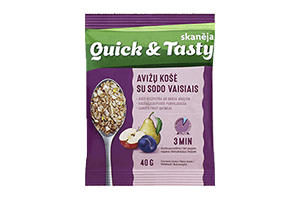
Oatmeal with garden fruits SKANĖJA 40g

Nestlé Corn Flakes Crispy corn flakes with vitamins
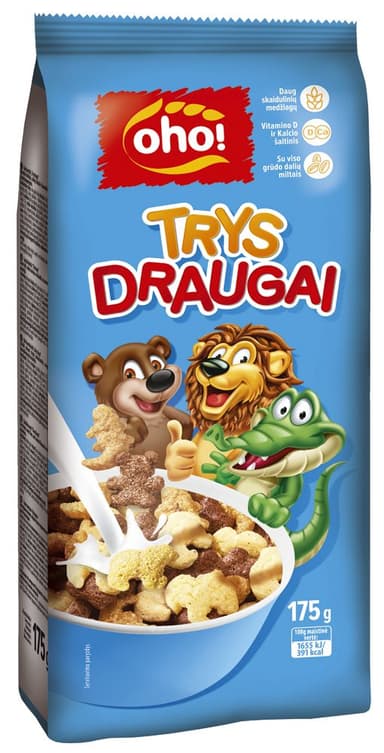
Breakfast cereals TRYS DRAUGAI, 175 g
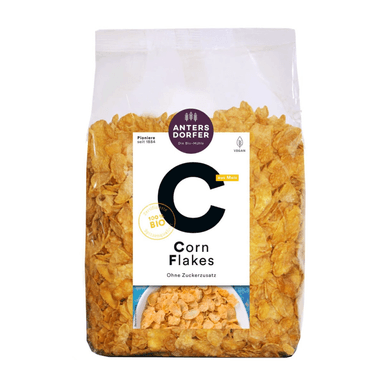
Crispy corn flakes, unsweetened, organic
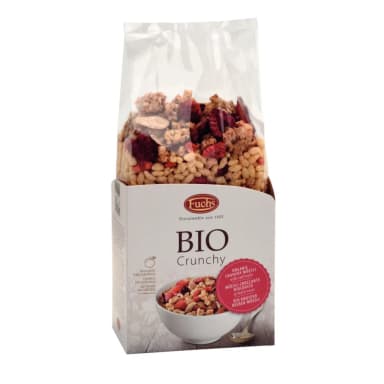
Crunchy flakes with red fruits BIO CRUNCHY, organic
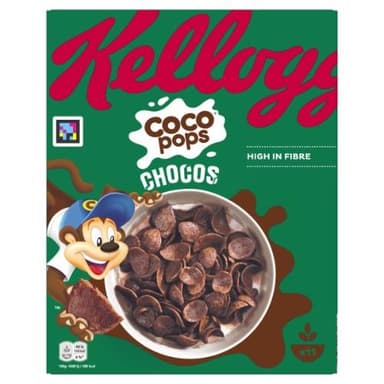
Cereals KELLOGG'S Coco Pops Chocos, 330 g

Sante Tropical muesli 350 g
CORNY BIG Chocolate and Banana Flavored Bar, 50 g

Muesli with 3 Types of Chocolate, Crunchy
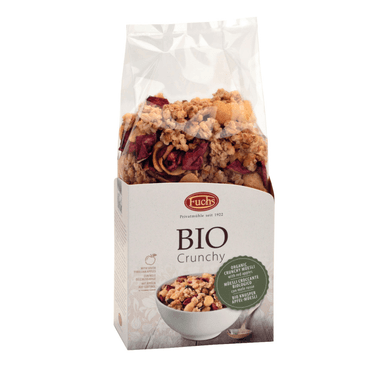
Crispy flakes with red apples BIO CRUNCHY, organic
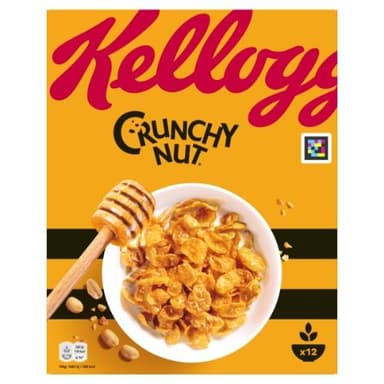
KELLOGG'S Crunchy and Nut, 375g
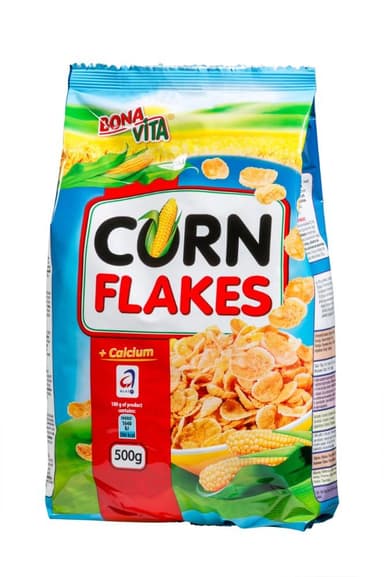
Cornflakes BONA VITA, 500 g

Kama Balls
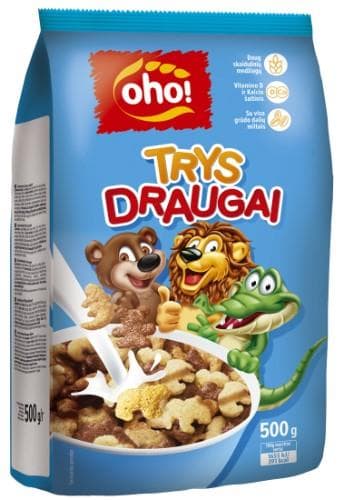
Breakfast cereal Three friends 500g "Oho!"

Nestlé Corn Flakes Toffee

Nestlé Cookie Crisp cereal with cookie flavor
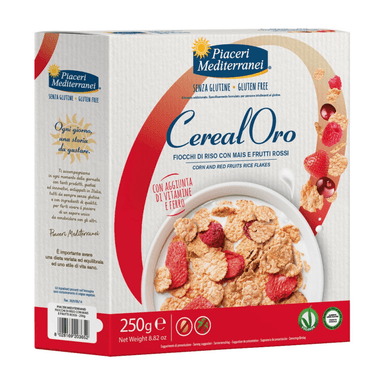
CEREAL ORO dry breakfasts with red berries
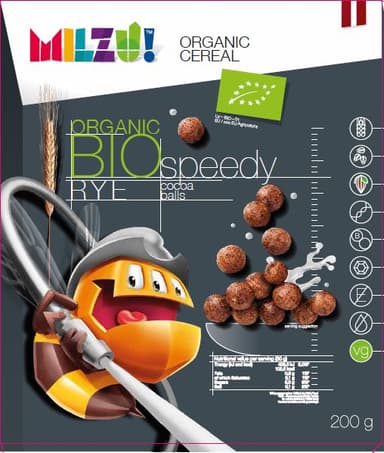
Organic veggy cereal BIO MILZU! Crunchies, with cinnamon, 250 g LT-EKO-001
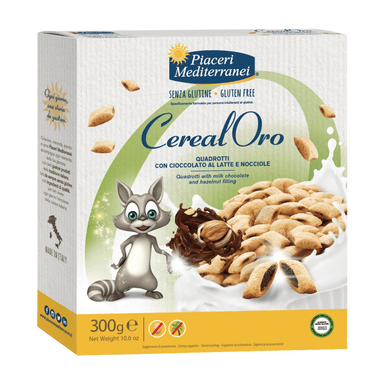
Dry breakfast cereal with hazelnut cream and chocolate
KELLOGG'S CORN FLAKES 375g

Nestlé Fitness cereal

Oat and rice flakes mix
Crispy sweetened cereal bars, organic
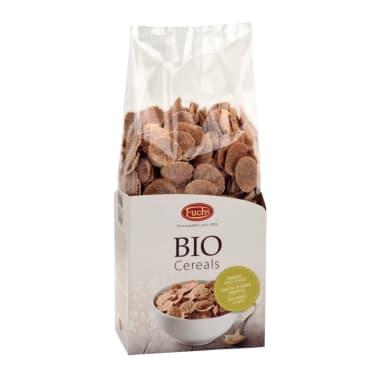
Organic Spelt Flakes BIO CEREALS
