
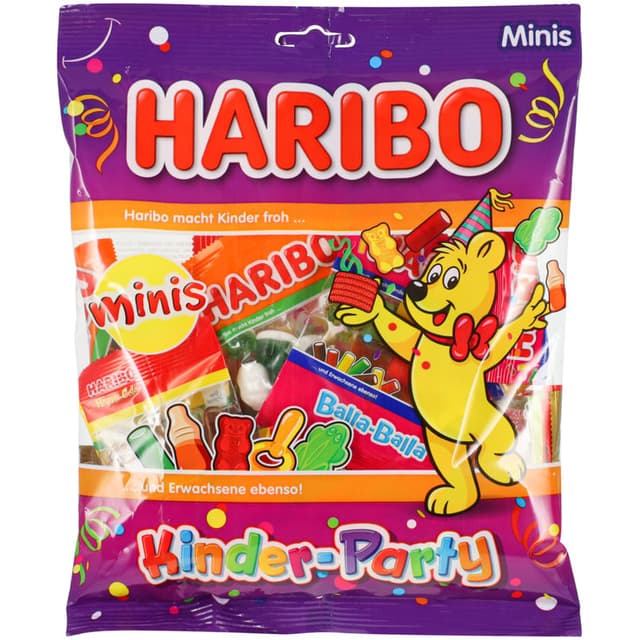
Gummies HARIBO, Kinder-party, mini, 250 g
Unlock Full Product Analysis
Get AI-powered ingredient breakdowns, personalized health insights, and smarter food choices — all inside Telegram.
Noticed incorrect or incomplete information about this product?
Report a problem?
Similar Products
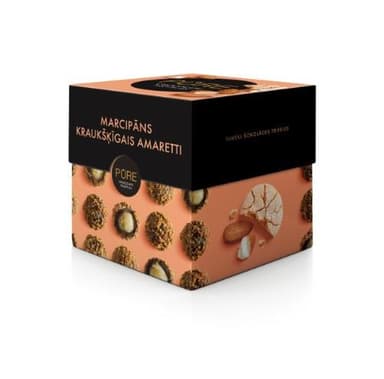
Chocolate truffles PURE with marzipan cream filling and crispy amarett
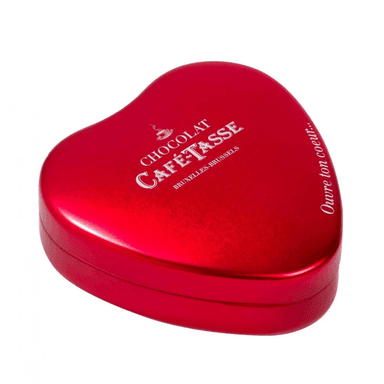
Chocolate candy set OPEN YOUR HEART, in a metal box

Tutti Frutti, Gummy Candies Hearts, 15g
FIZZY PEACHES gummy candies, organic
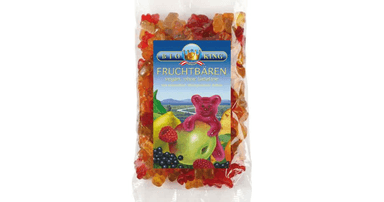
Gummy bears without gelatin, organic

Drako, Chewing Candies, Mix, 420g
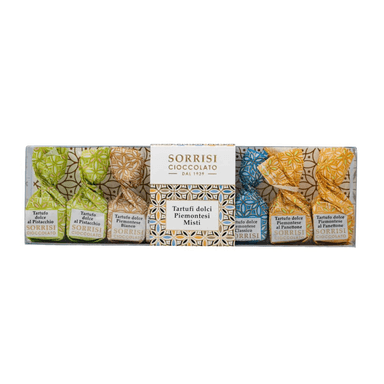
Truffles PIEMONTESE MIX, in a box
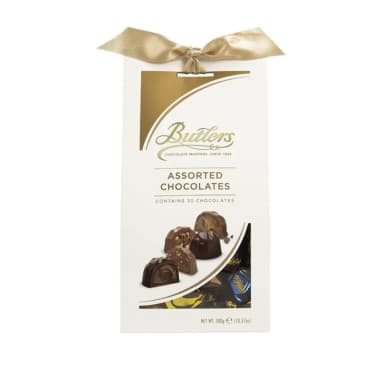
Collection of chocolate candies
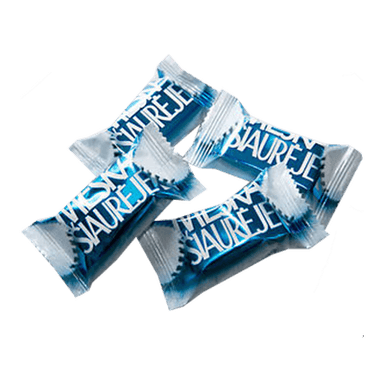
Candies BEAR IN THE NORTH, 1 kg
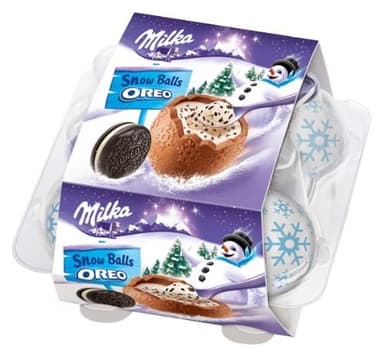
Chocolate snow balls MILKA Oreo, 112g
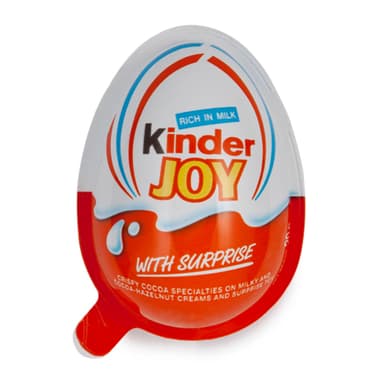
Chocolate egg KINDER JOY, 20 g

Roshen, Caramel with Peanut Filling
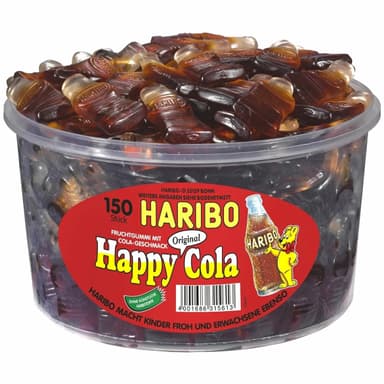
Gummies HARIBO, Happy Cola, 1,2 kg
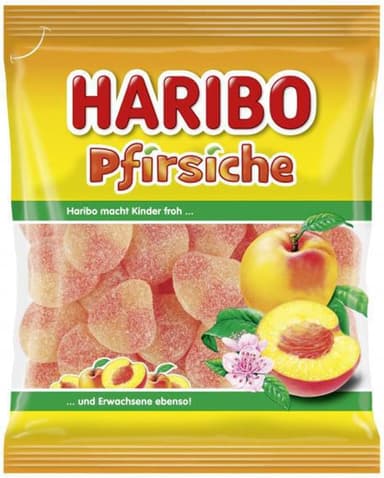
Gummies HARIBO, Pfirsiche, 175 g
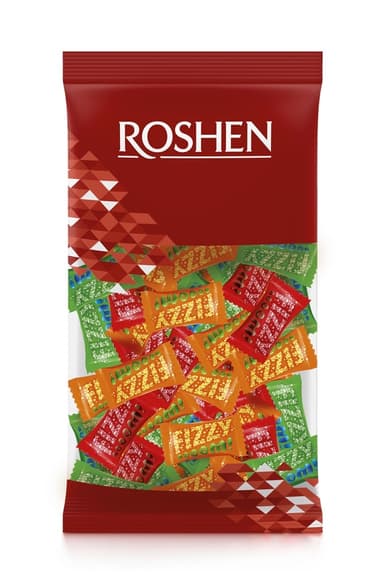
Caramel sweets ROSHEN Fizzy boom, with powder filling, 8%, 1 kg
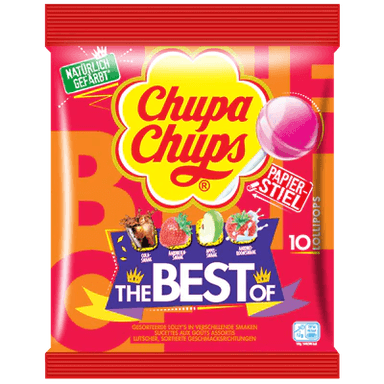
Lollipops CHUPA CHUPS, The Best Of, various flavors, 10 pcs, 120 g
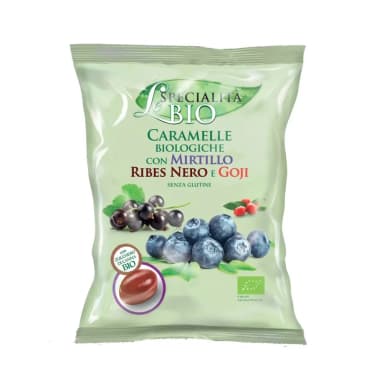
Organic blueberry, blackcurrant, and goji berry lollipops
Candies with green tea 'Matcha'

Tutti Frutti Original gummies
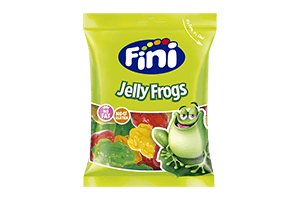
Gummy Candies FINI FROGS 90g
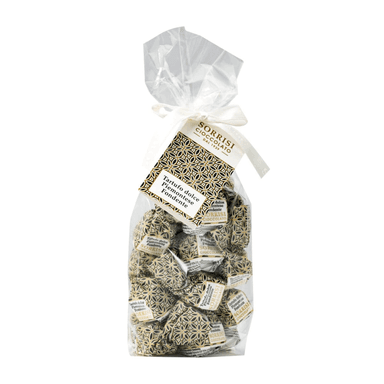
Truffles DARK PIEMONTESE TRUFFLE
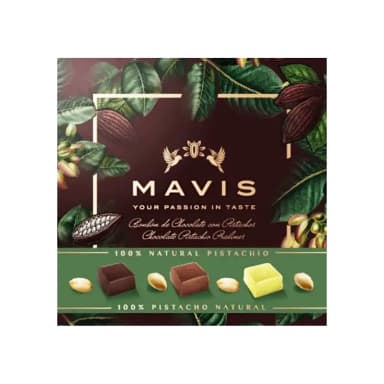
MAVIS PISTACHIO Chocolate Candies with Pistachios Set

Sweets MAMBA 4 Pack, 106 g
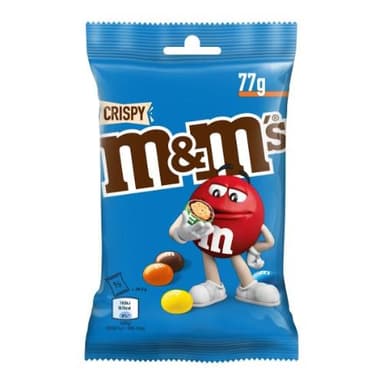
Dragee M&M's Crispy, with crispy filling, 77g
