
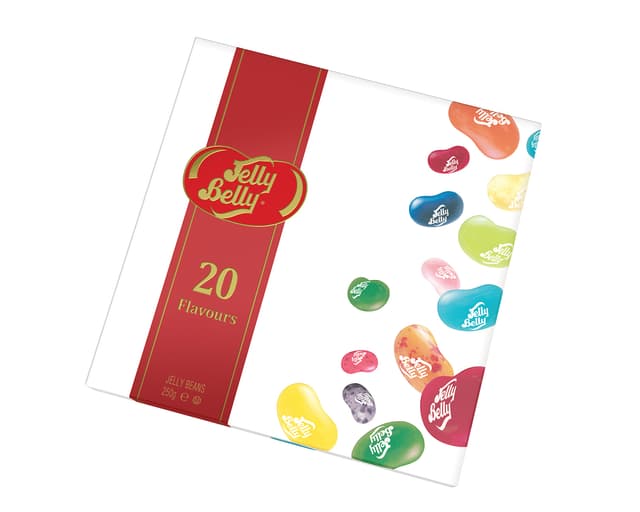
Candy JELLY BELLY 20 Flavours Gift Box, 250 g
Unlock Full Product Analysis
Get AI-powered ingredient breakdowns, personalized health insights, and smarter food choices — all inside Telegram.
Noticed incorrect or incomplete information about this product?
Report a problem?
Similar Products
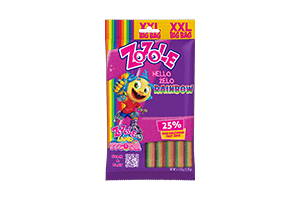
Guminukai ZOZOLE RAINBOW JELLIES 150g
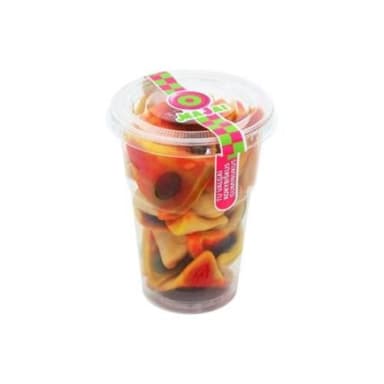
Gummies AMERICAN PIZZA, 150g
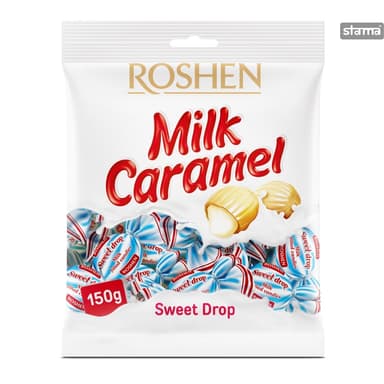
Caramel SWEET DROP, 150 g
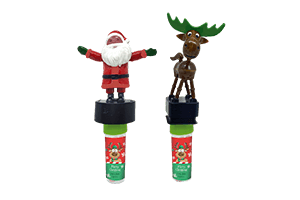
Candies with Christmas figurines 5g

Jellies with red- and blackcurrant juice
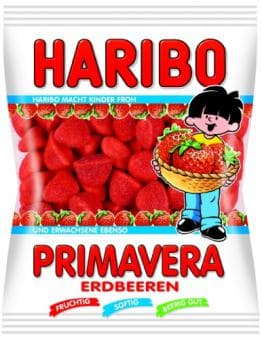
Gummies HARIBO, Primavera, Erdbeeren, 100g
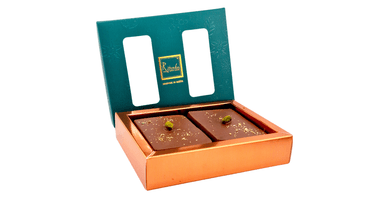
Milk chocolate with pistachios DUBAI CHOCOLATE
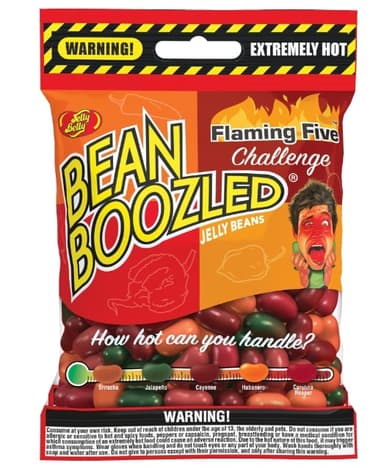
Candy JELLY BELLY Bean Boozled Flaming Five, 54 g
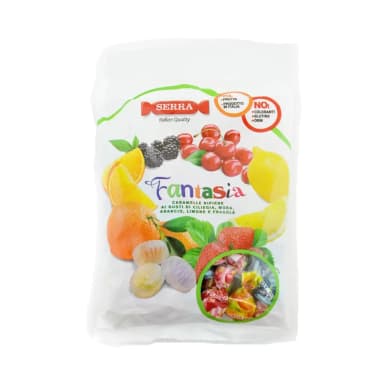
Assorted Candies with Fruit and Berry Fillings FANTASIA
Sweets SOSTINĖS CREAM AND LIQUEUR, 250 g
Candies SKITTLE Sours, 38 g
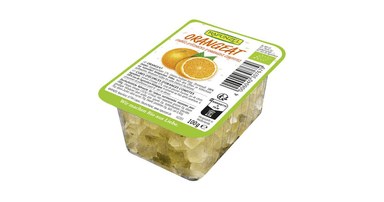
Organic candied oranges

Sweets ROSHEN Konafetto, with cream-milk, 1 kg

Chocolate confectionery set LUCKY STAR 70g
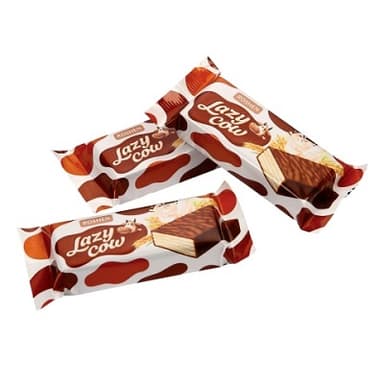
Wafer sweets ROSHEN Lazy Cow, with milk filling, 1 kg
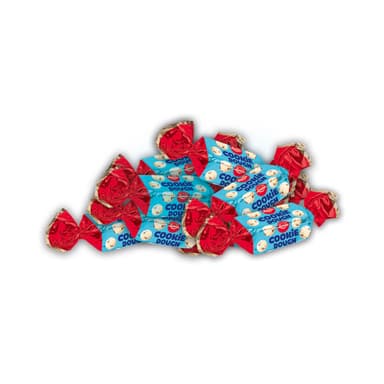
Sweets LAIMA, cookie dough flavor, 1 kg
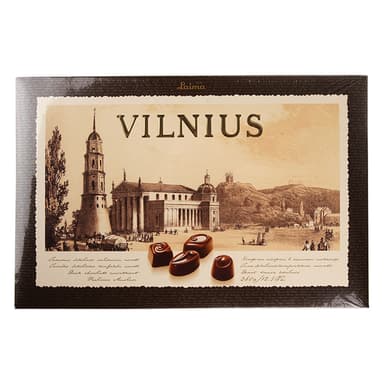
Dark chocolate sweets LAIMA Vilnius Asorti, 360 g
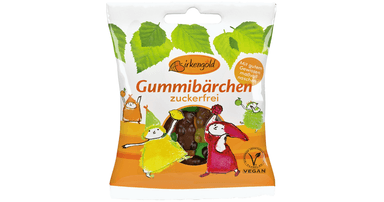
Sugar-free gummy bears
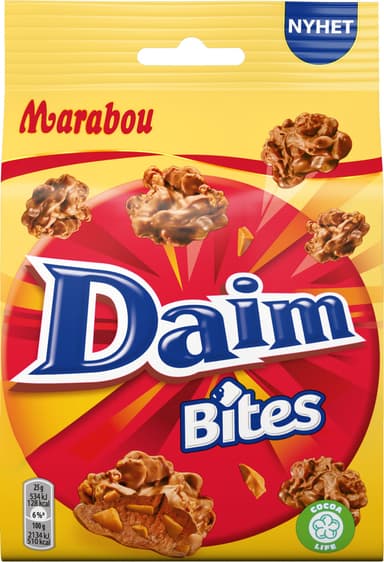
Marabou DAIM BITES, 145g
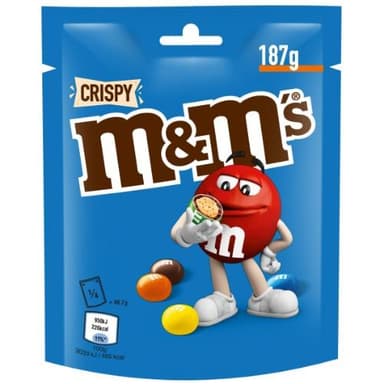
Dragee M&M's Crispy, with crispy filling, 187g

Chewits Raspberry Flavour Chewy Candies
JAHNKE FRUIT MIX Gummies 135g
ALVO SWEET MOMENTS Caramelized Nuts Set 200g
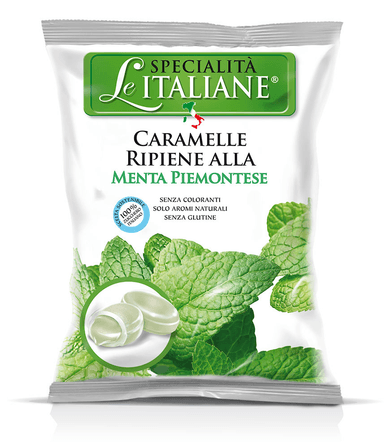
Mint candies MENTA IN PIEDMONT
