
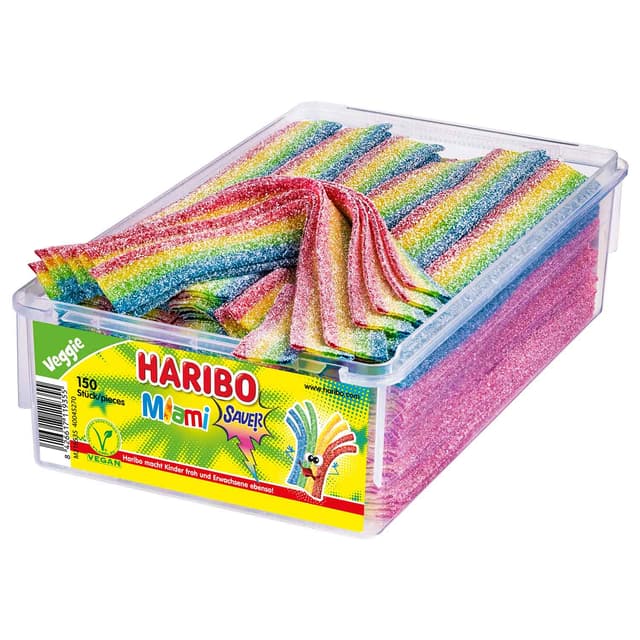
Gummies HARIBO, Miami, 1,125 kg
Unlock Full Product Analysis
Get AI-powered ingredient breakdowns, personalized health insights, and smarter food choices — all inside Telegram.
Noticed incorrect or incomplete information about this product?
Report a problem?
Similar Products
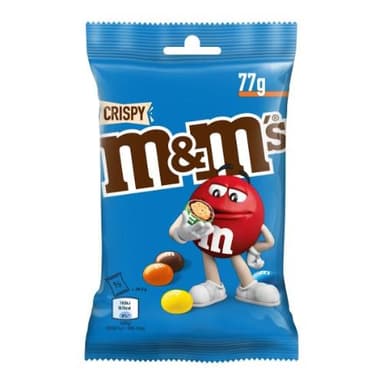
Dragee M&M's Crispy, with crispy filling, 77g

Candies OLD VILNIUS 348 g
Chocolate egg AHA ZOO, 2 colours, 20 g
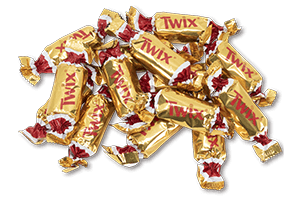
TWIX candies, 1 kg
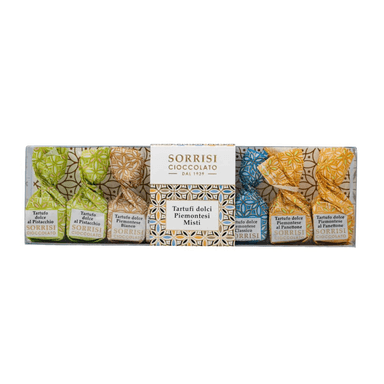
Truffles PIEMONTESE MIX, in a box
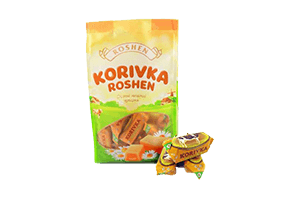
Korivka Candies ROSHEN 205g
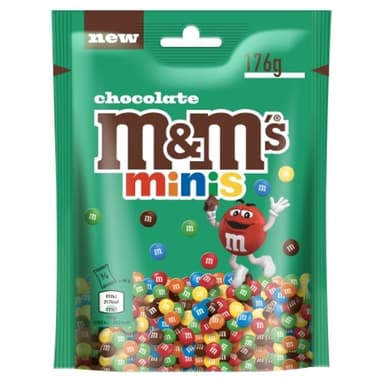
Milk chocolate M&M's iminis n crispy colored glaze, 176 g
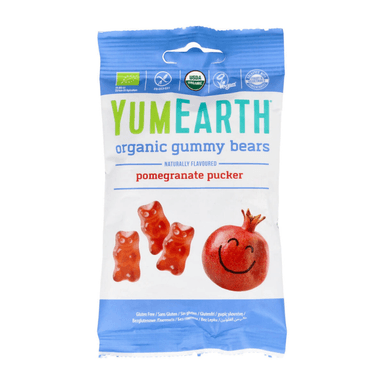
Gummy Bears, pomegranate flavor, organic

Tutti Frutti Original gummies
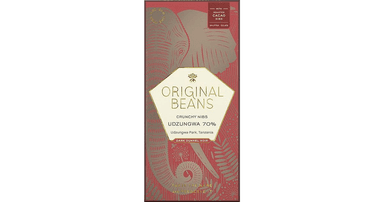
70% Dark Chocolate with Cocoa Beans UDZUNGWA, organic
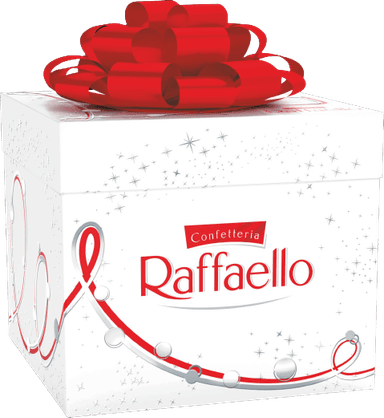
Candy RAFFAELLO, 300 g
Candied grapefruit peel, 100 g
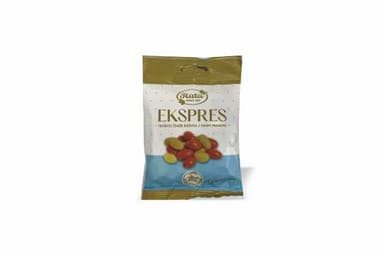
Dragee RŪTA Ekspres, 100 g
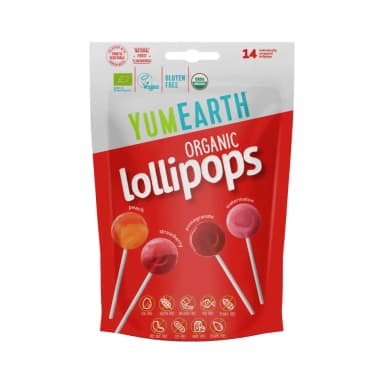
Lollipops on a stick, 4 flavors, organic
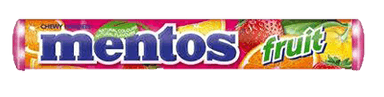
MENTOS FRUIT candies, 38 g
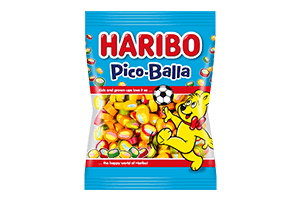
HARIBO PICO BALA gummy candies, 85g
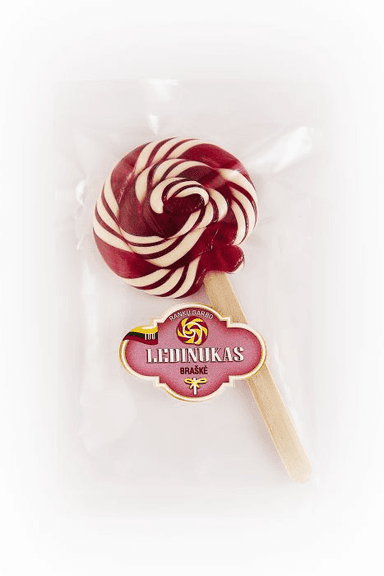
Strawberry Lollipop without sugar on a stick
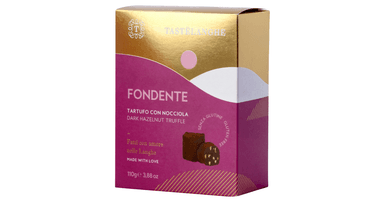
Dark chocolate truffles with hazelnuts
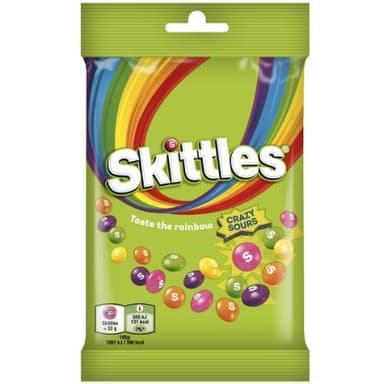
Chewing candies SKITTLES Crazy Sours sour fruit flavor in crunchy suga
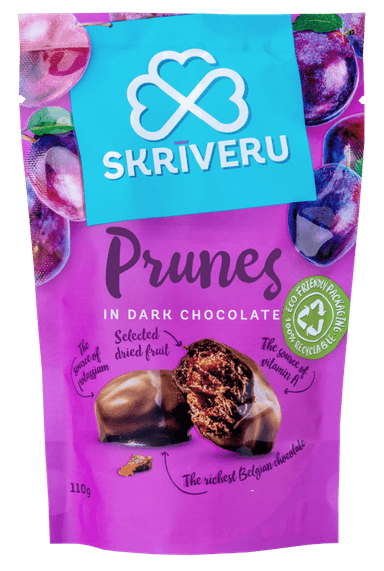
Plums in dark chocolate SKRIVERU
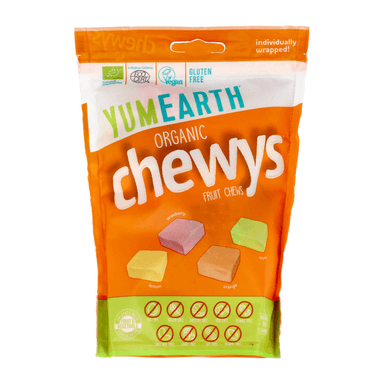
CHEWYS chewy candies, fruit-flavored, organic
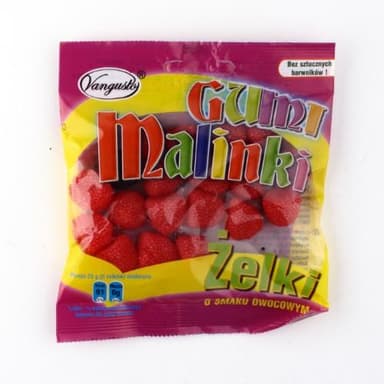
Gummies RASBERY, 80 g
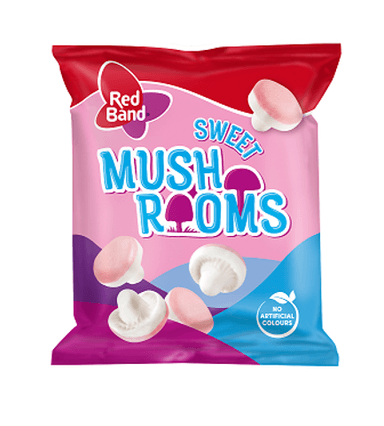
Jellys RED BAND Sweet Mushrooms, 100 g

Milk chocolate candies with hazelnut-flavored filling MAGNAT, 105g
