
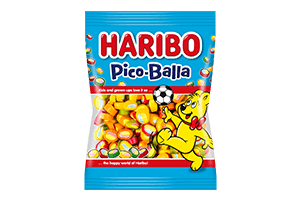
HARIBO PICO BALA gummy candies, 85g
Unlock Full Product Analysis
Get AI-powered ingredient breakdowns, personalized health insights, and smarter food choices — all inside Telegram.
Noticed incorrect or incomplete information about this product?
Report a problem?
Similar Products
Gummies FIGLE MIGLE Cola, 80 g
PL.BUT.MIX MILLIONS 90g
Chocolate figurine KINDER, 55 g
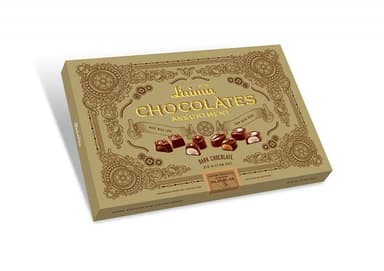
Assorted dark chocolate candies LAIMA, 215 g
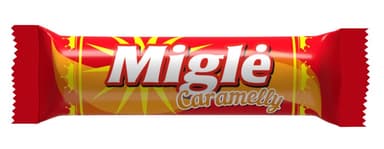
Sweets KARŪNA Miglė, with caramel filling, 9.5 kg
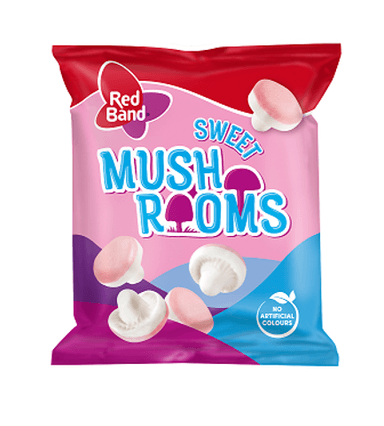
Jellys RED BAND Sweet Mushrooms, 100 g
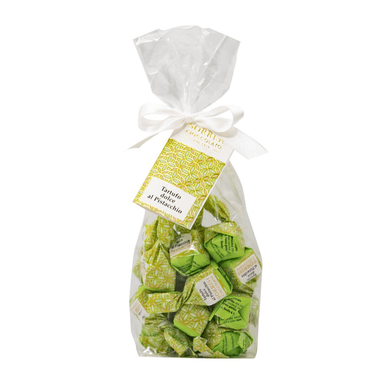
Truffles PISTACHIO TRUFFLE
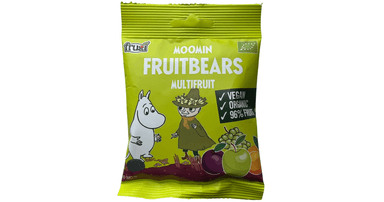
Fruit-flavored gummy bears, organic
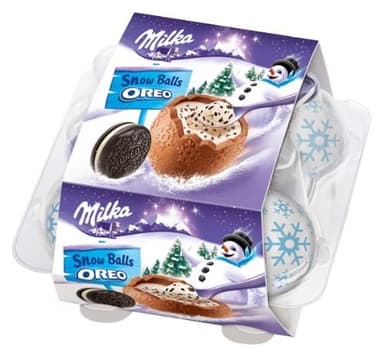
Chocolate snow balls MILKA Oreo, 112g

Tutti Frutti, Gummy Candies (Sour), 180g
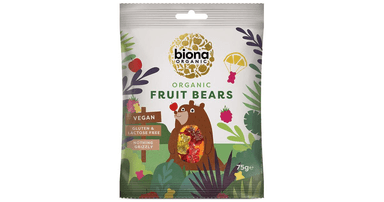
Gummy Bears 'Meškiukai', organic
Lozenge MYNTHON Lemon-honey, 39 g
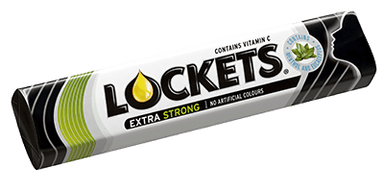
LOCKETS EXTRA STRONG tablets, 41 g
Lollipops CHUPA CHUPS Melody Pops Strawberry, 15 g
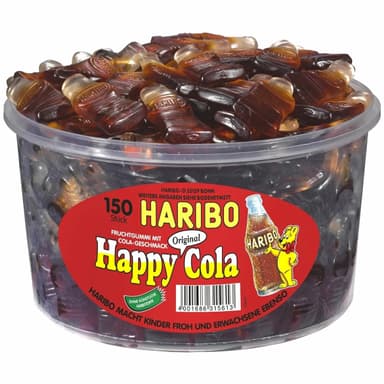
Gummies HARIBO, Happy Cola, 1,2 kg
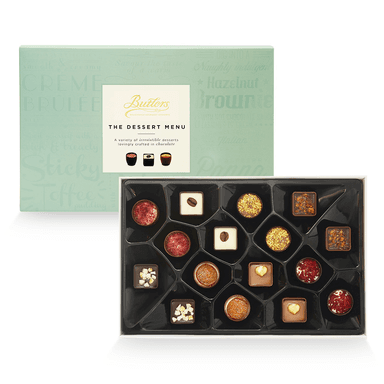
Chocolate Candy Set DESSERT MENU
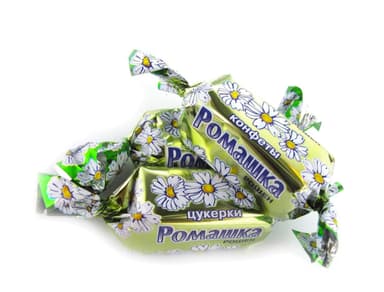
Chocolate candies ROSHEN, ROMASHKA, glazed, 2 kg
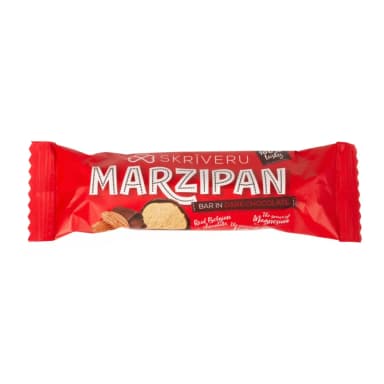
Marzipan bar with dark chocolate MARZIPAN
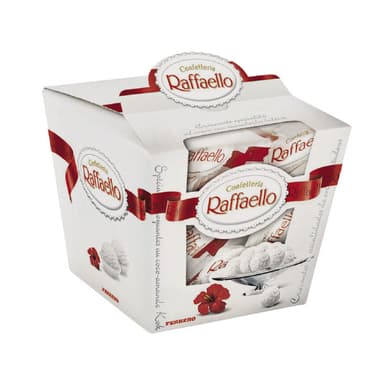
Candy Raffaello Ferrero
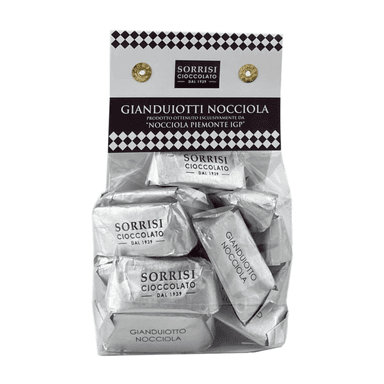
Gianduiotti Hazelnut Candies
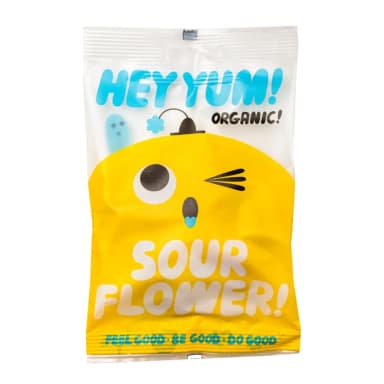
SOUR FLOWER gummies, organic
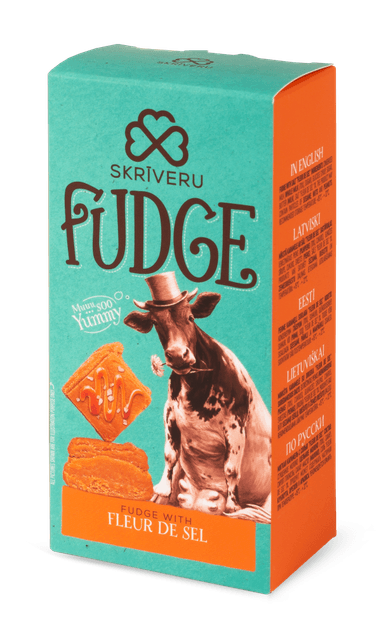
Soft caramel with Fleur de Sel salt
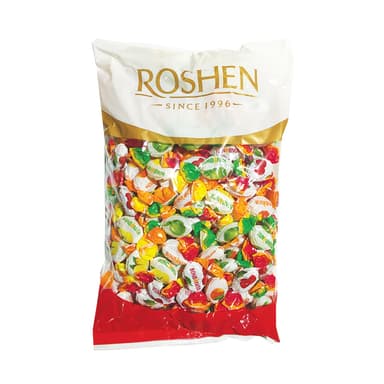
Fruity caramel ROSHEN Bombonita, 1 kg
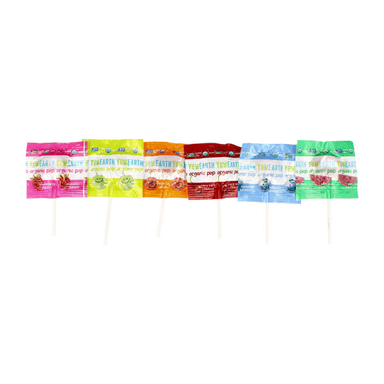
Fruit popsicle on a stick, organic
