
Marshmallows TUNNOCK'S, TEACAKES, with dark chocolate, 144 g
117 people viewed this product
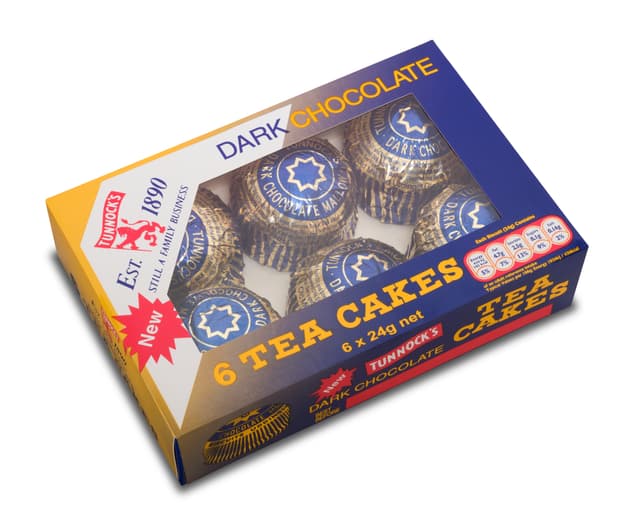
Marshmallows TUNNOCK'S, TEACAKES, with dark chocolate, 144 g
Unlock Full Product Analysis
Get AI-powered ingredient breakdowns, personalized health insights, and smarter food choices — all inside Telegram.
Noticed incorrect or incomplete information about this product?
Report a problem?
Similar Products
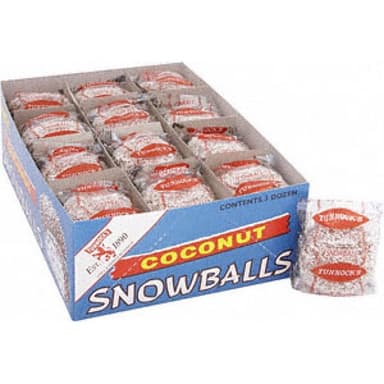
Marshmallows TUNNOCK'S, SNOWBALL, with coconut chips, 864 g
Organic sesame and honey halva
Chocolate Banana Soufflé, 150 g
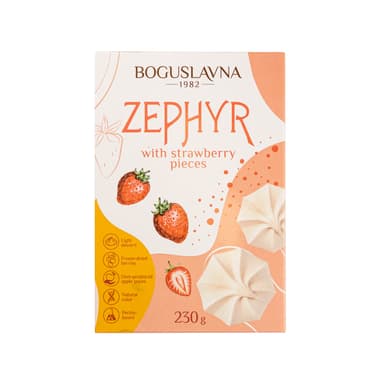
Zephyr BOGUSLAVNA, with strawberry pieces, 230g
Zefyrai PINK & WHITE WOOGIE, 200 g

Marshmallows TUNNOCK'S, SNOWBALL, with coconut chips, 30 g
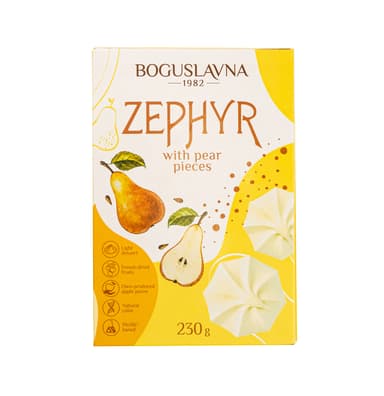
Zephyr BOGUSLAVNA, with pear pieces, 230g
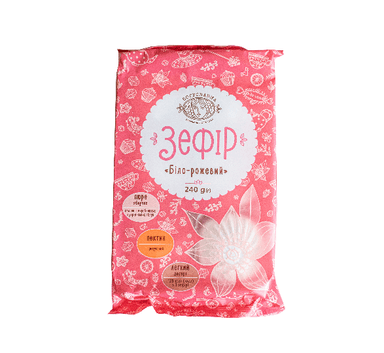
Zephyr BOGUSLAVNA, white/pink, 240g
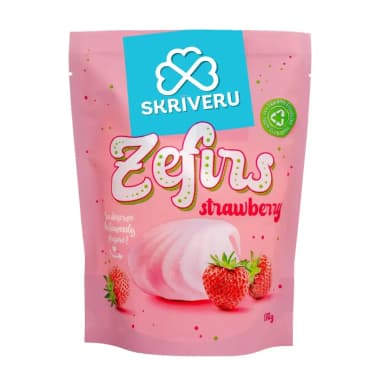
Strawberry flavor marshmallows
Zefyrai NOUNOURS, coated in milk chocolate

Fun, Marshmallows, 175 g
Zephyr BOGUSLAVNA, glazed, 200g
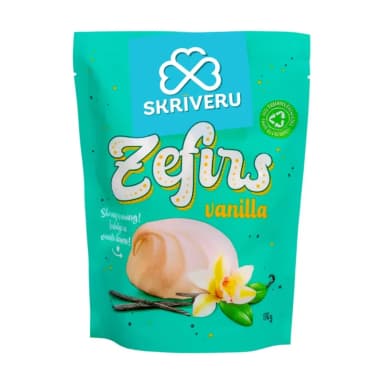
Vanilla-flavored marshmallows

Laima Cranberry Zephyr
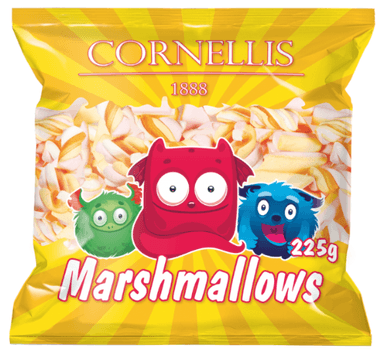
CORNELLIS Marshmallows, 225 g
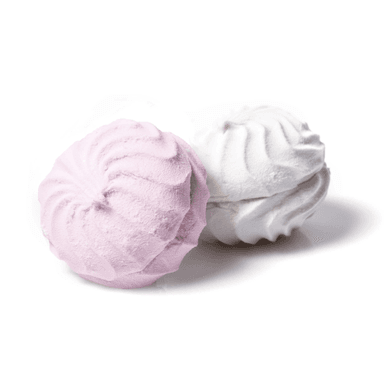
Zephyr BOGUSLAVNA, white/pink, 350g
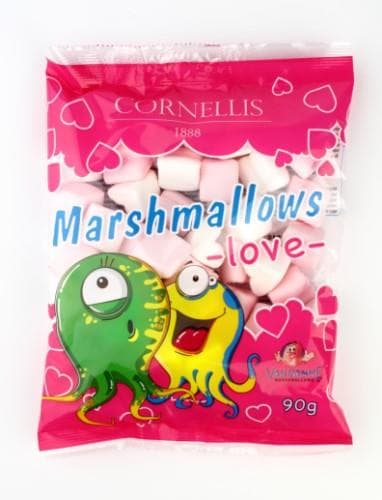
Marshmallows, CORNELLIS Love, 90 g
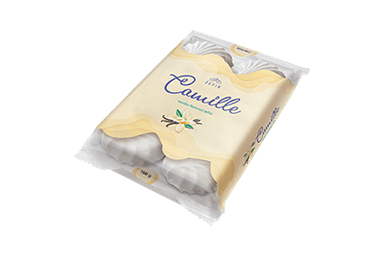
Camille Vanilla Marshmallows 168 g
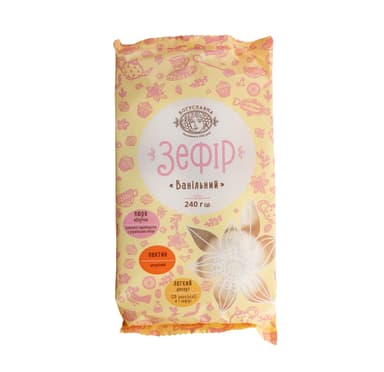
Zephyr BOGUSLAVNA, with vanilla flavor, 240g
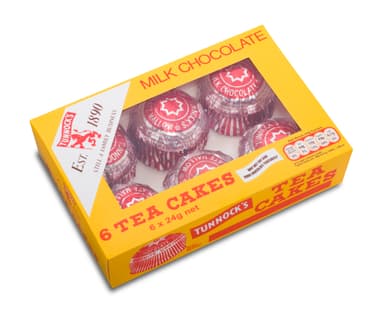
Marshmallows TUNNOCK'S, TEACAKES, with milk chocolate, 144 g
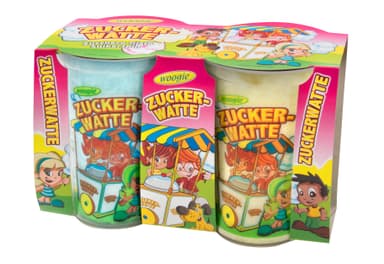
Candies WOOGIE, Dextrose, 400 g
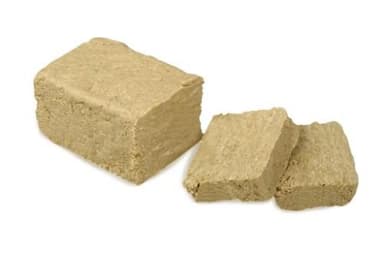
Sunflower halva, 4 kg
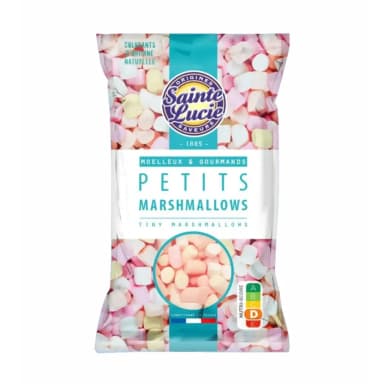
Mini marshmallows
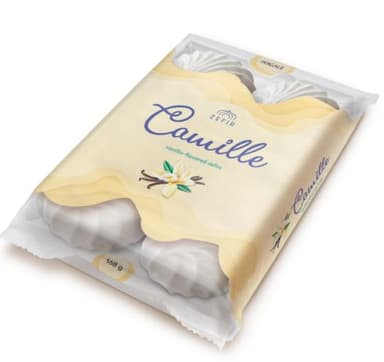
Zephire VILNIAUS PERGALĖ Camille, vanilla flavour, 168 g
