
Milk chocolate coated LACASITOS, 65 g
91 people viewed this product
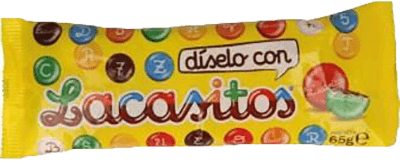
Milk chocolate coated LACASITOS, 65 g
Unlock Full Product Analysis
Get AI-powered ingredient breakdowns, personalized health insights, and smarter food choices — all inside Telegram.
Noticed incorrect or incomplete information about this product?
Report a problem?
Similar Products
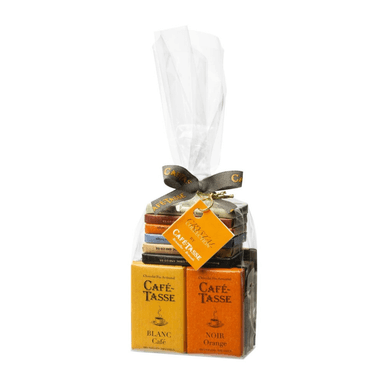
Mini chocolate set, 20 pcs.
PETIT CHOCO FLOWER Candy Box, 80 g
Milk chocolate coated LACASITOS, 65 g
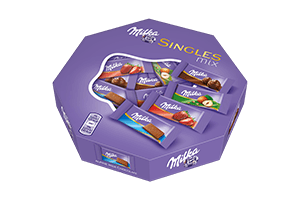
MILKA SINGLE MIX Mini Chocolates, 138g
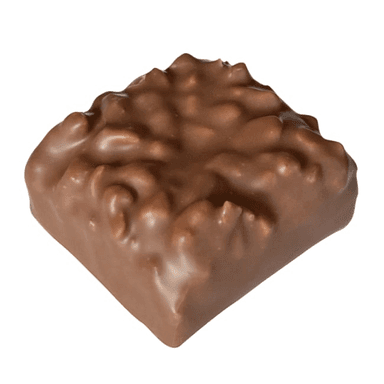
Milk chocolate candies with nuts ROCHERS
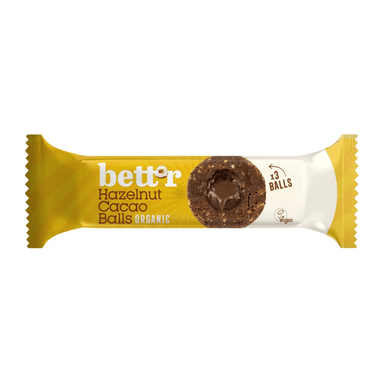
Fruit balls filled with HAZELNUT AND CACAO, organic
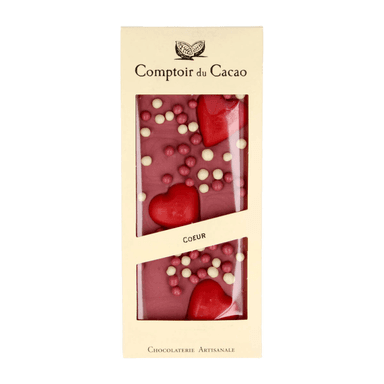
Pink chocolate with hearts
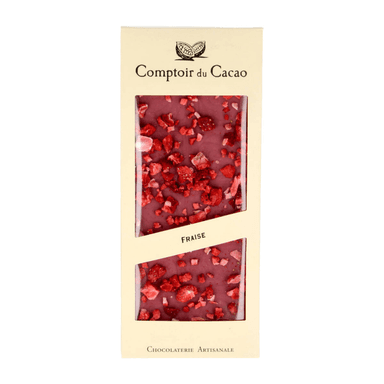
Pink chocolate with strawberries FRAISE
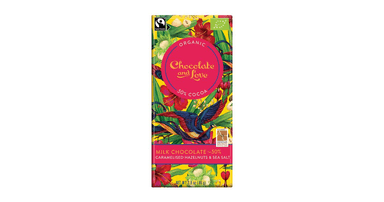
Milk chocolate with hazelnuts and caramel, organic
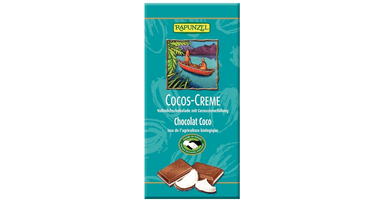
Milk chocolate with coconut cream filling, organic
