
Soft drink BRITVIC Bitter lemon, 2 ml
115 people viewed this product
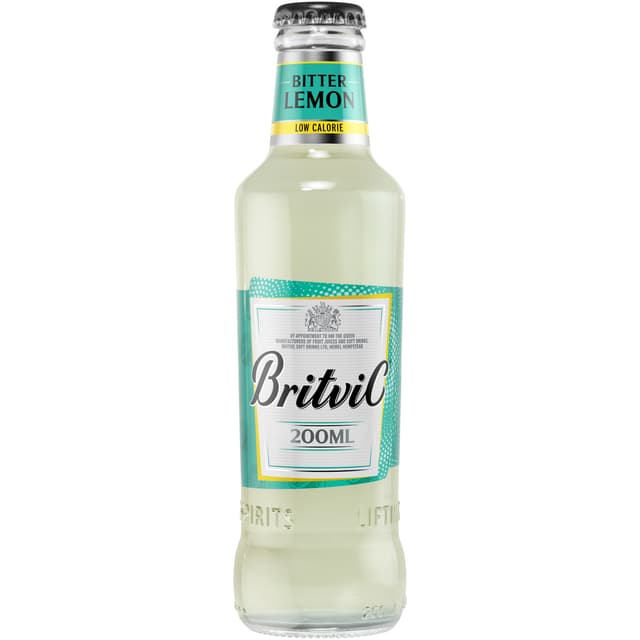
Soft drink BRITVIC Bitter lemon, 2 ml
Unlock Full Product Analysis
Get AI-powered ingredient breakdowns, personalized health insights, and smarter food choices — all inside Telegram.
Noticed incorrect or incomplete information about this product?
Report a problem?
Similar Products

Fentimans Ginger Beer
Tonic water water BRITVIC Indian Tonic, 850ml,D
Organic rhubarb drink
Sparkling drink FULDATALER Bitter Rose, 1.5 l D
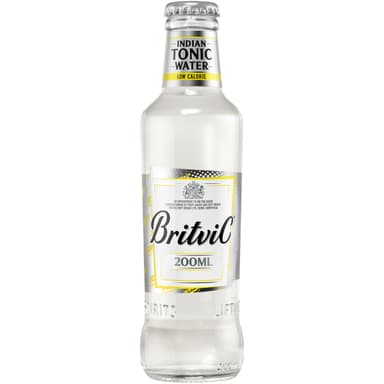
Soft drink BRITVIC Tonic water, low calorie, 200 ml
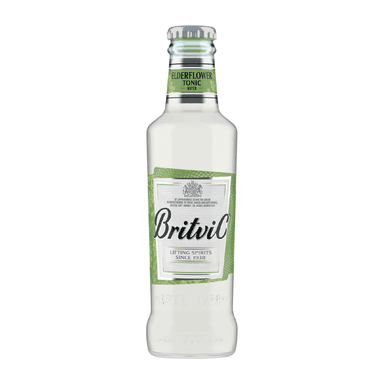
Soft drink BRITVIC, Elderflower tonic, 200ml, D

Ørn Craft Indian Zero Sugar
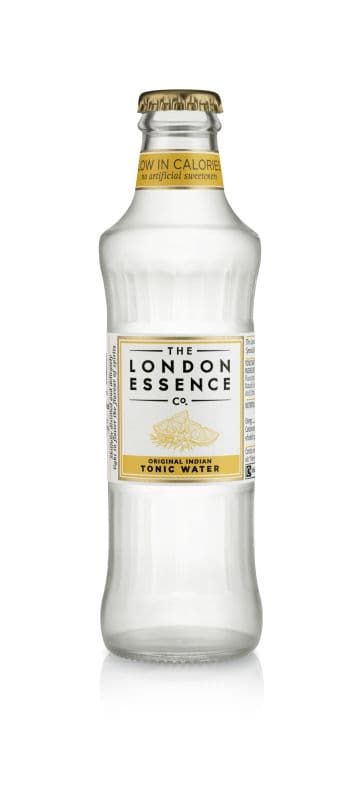
THE LONDON ESSENCE Original Indian Tonic 0,2L
Sparkling drink FULDATALER TONIC, 1,5 l D
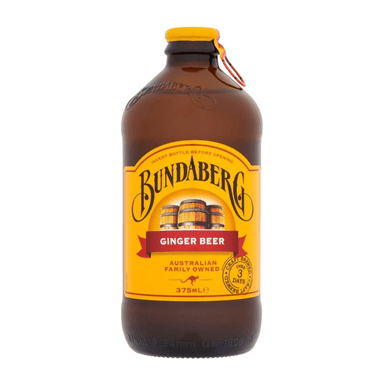
Bundaberg Non-Alcoholic Ginger Beer
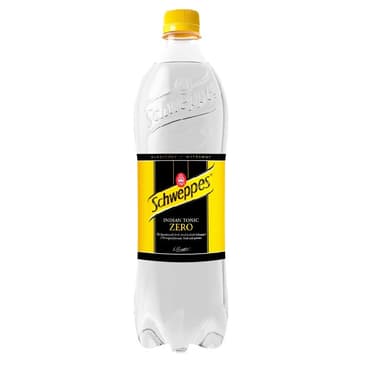
Carbonated soft drink SCHWEPPES Tonic Zero, 0,85 l PET
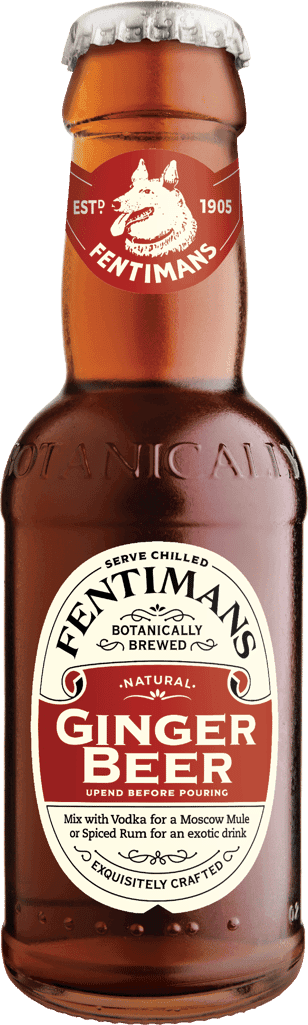
Carbonated soft drink FENTIMANS Ginger Beer, 0.2l
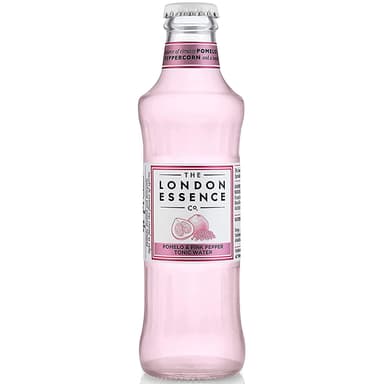
THE LONDON ESSENCE Pomelo & Pink Pepper Tonic 0,2L
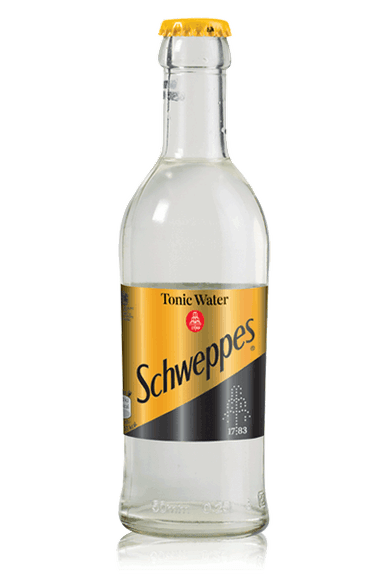
Sparkling drink SCHWEPPES TONIC

Fentimans Rose Lemonade

Ørn Craft Indian Tonic Water
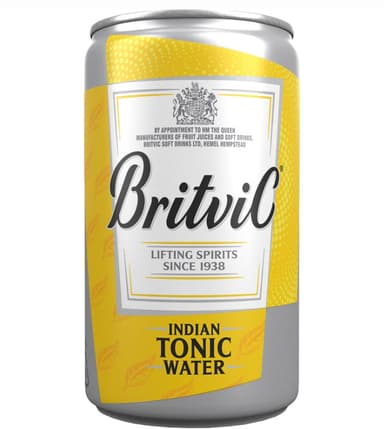
Tonic water BRITVIC, 150 ml, D

Ørn Craft Rose Zero Sugar
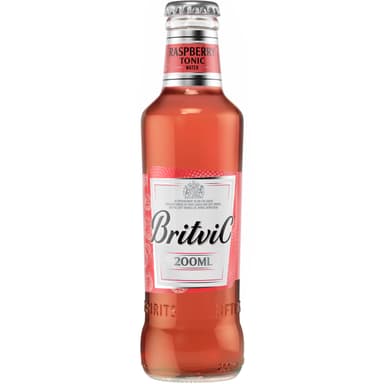
Soft drink BRITVIC, Raspberry tonic, 200ml, D

Ørn Craft Rose Tonic Lemonade
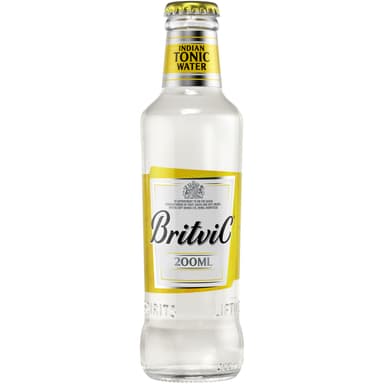
Tonic water water BRITVIC Tonic, 2 ml
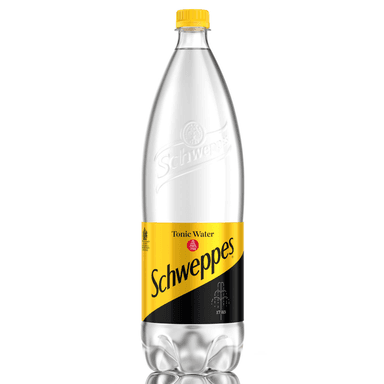
Carbonated soft drink SCHWEPPES Tonic, 1,5 l
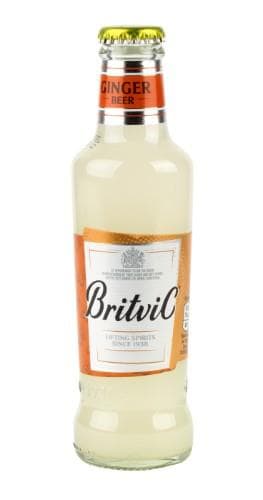
Soft drink BRITVIC Ginger beer, 2 ml
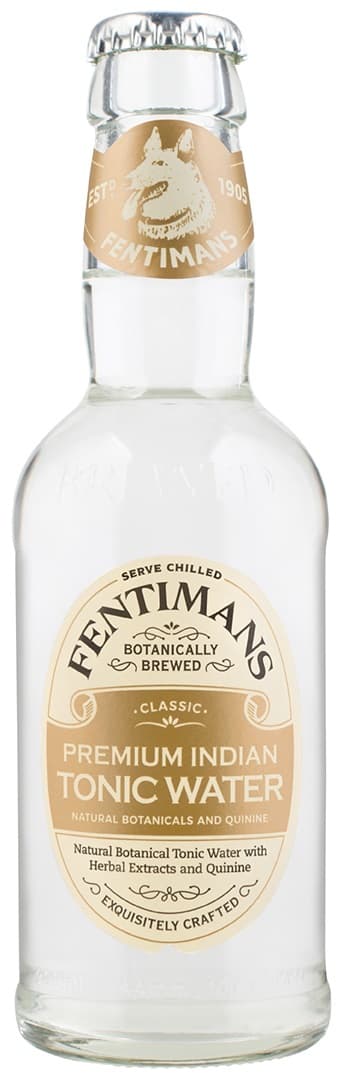
Carbonated soft drink FENTIMANS Premium Indian tonic, 0.2l
