
/
Grocery
/Cooking additives
/Sports supplements
/Vitamin complex BioTechUSA, one-a-day, tablets,100 pcs
Vitamin complex BioTechUSA, one-a-day, tablets,100 pcs
245 people viewed this product
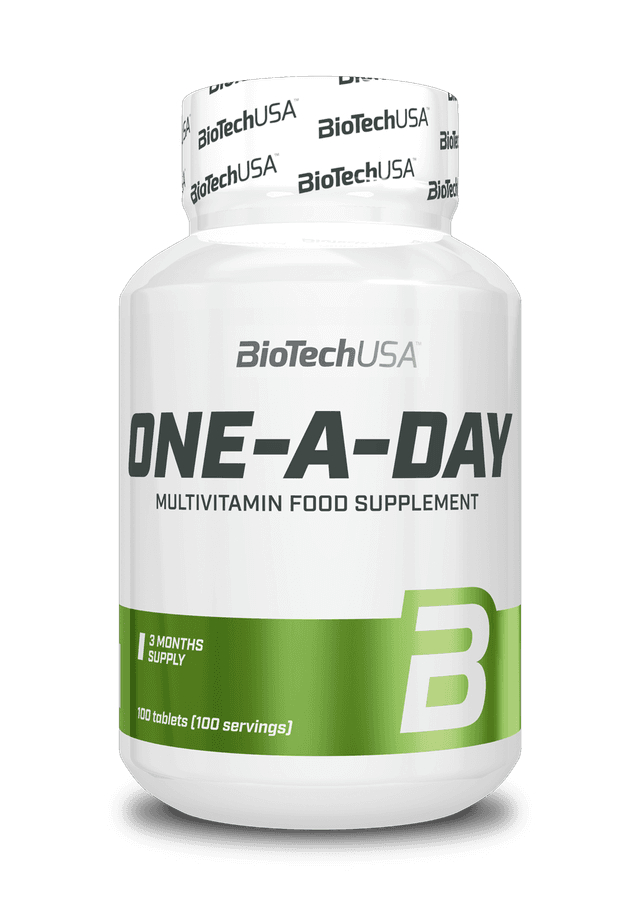
Vitamin complex BioTechUSA, one-a-day, tablets,100 pcs
Unlock Full Product Analysis
Get AI-powered ingredient breakdowns, personalized health insights, and smarter food choices — all inside Telegram.
Noticed incorrect or incomplete information about this product?
Report a problem?
Similar Products
Plant-based protein shake 70%, vanilla flavor, organic
Diet shake ICONFIT, chocolate flavour, 495 g
Organic pumpkin seed protein powder
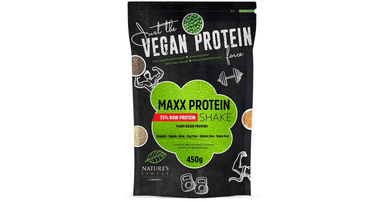
Plant Protein Shake MAXX 75%, organic
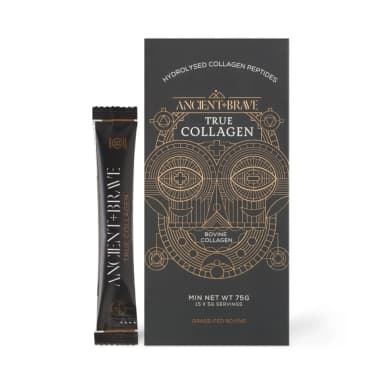
Collagen TRUE COLLAGEN
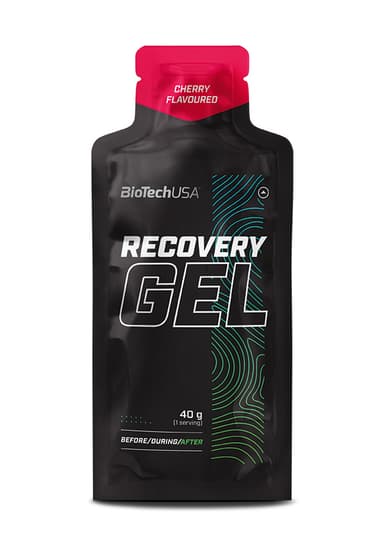
Recovery gel BioTechUSA , cherry flavour, 40 g
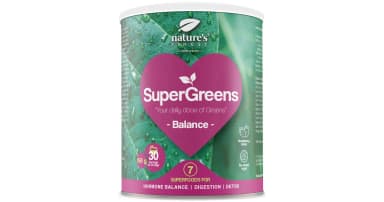
Superfood blend for balance 'SuperGreens BALANCE', organic
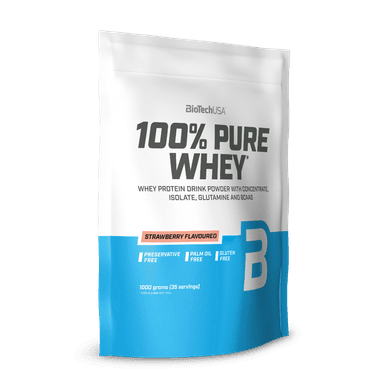
Whey protein BioTechUSA, strawberry flavor, 28 g
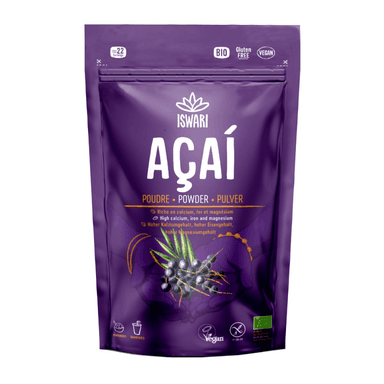
Organic acai berry powder
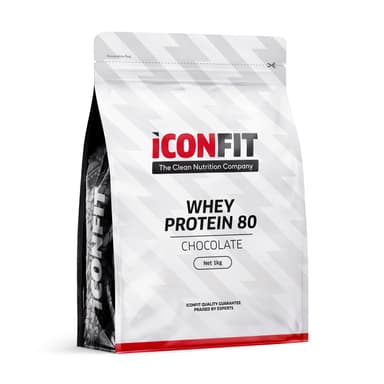
Whey protein powder ICONFIT, chocolate flavour, 1 kg
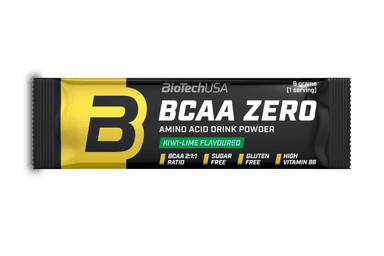
Amino acids BioTechUSA, BCAA Zero, kiwi-lime flavor, 9 g
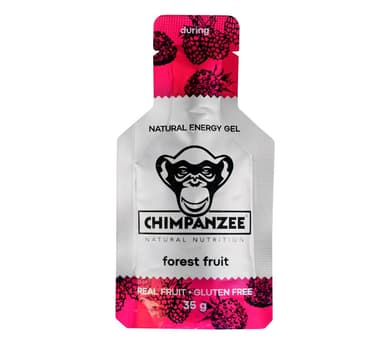
Energy gel CHIMPANZEE, forest berry flavor, 35 g, LT-EKO-001
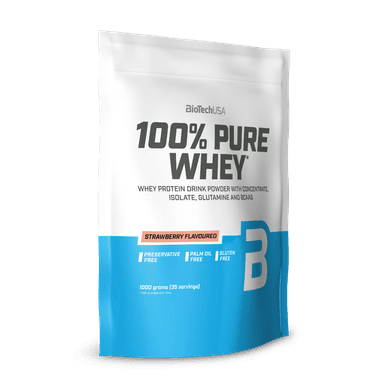
Whey protein BioTechUSA, chocolate flavor, 28 g
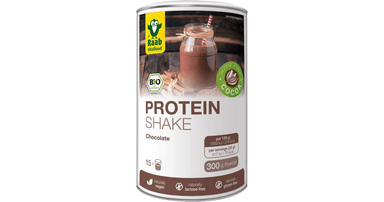
Plant-based protein blend, chocolate flavor, organic
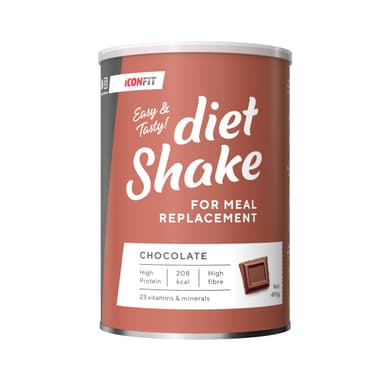
Diet shake ICONFIT, chocolate flavour, 495 g
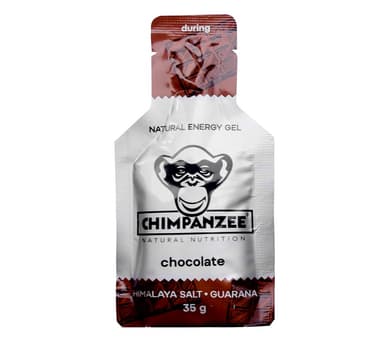
Energy gel CHIMPANZEE, chocolate flavor with sea salt, 35 g, LT-EKO-001
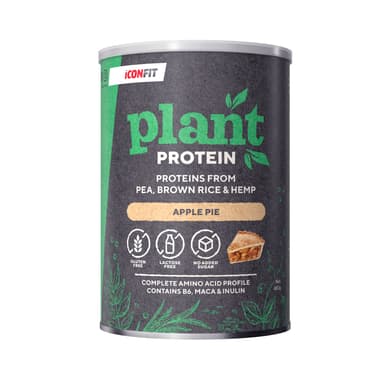
Vegetable proteins ICONFIT, apple pie flavor, 480 g
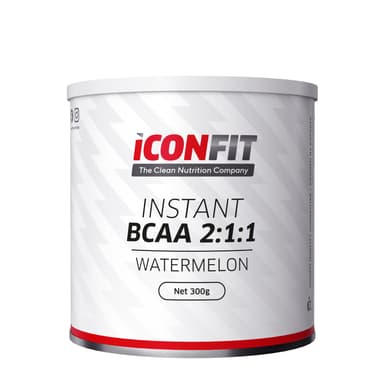
Amino acids ICONFIT, BCAA 2:1:1, watermelon flavor, 300 g
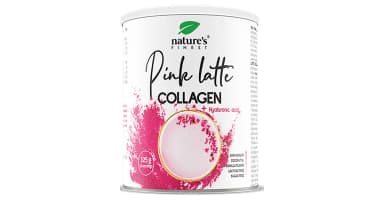
Pink Collagen Latte drink powder
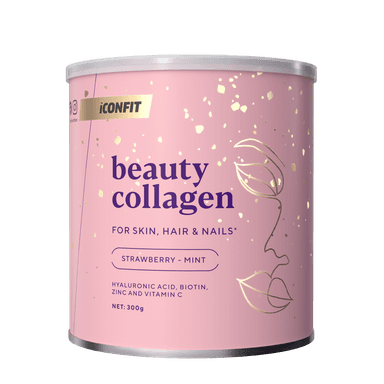
Collagen ICONFIT, for beauty, strawberry and mint flavor 300 g
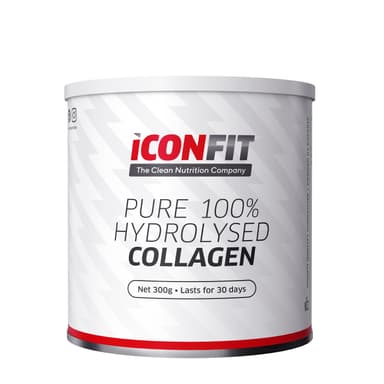
Collagen ICONFIT, hydrolyzed, 300 g
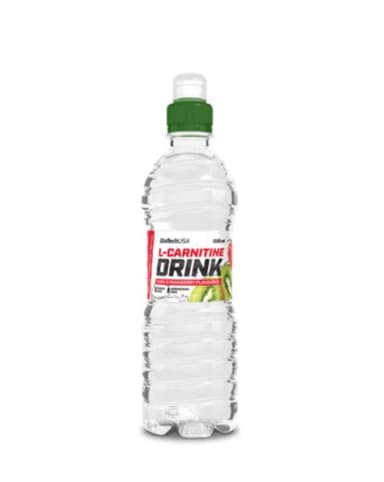
L - Carnitine drink BioTechUSA, cactus fruit flavor, 500 ml D
Almond protein powder (50%), organic
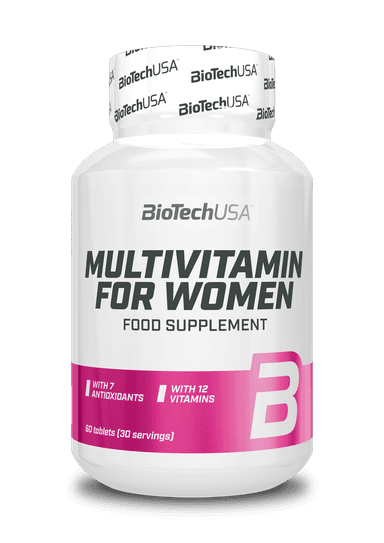
Multivitamins for women BioTechUSA, tablets, 60 pcs
