
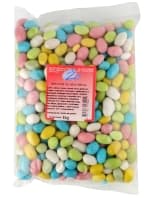
Coloured peanuts, (1) kg
Unlock Full Product Analysis
Get AI-powered ingredient breakdowns, personalized health insights, and smarter food choices — all inside Telegram.
Noticed incorrect or incomplete information about this product?
Report a problem?
Similar Products
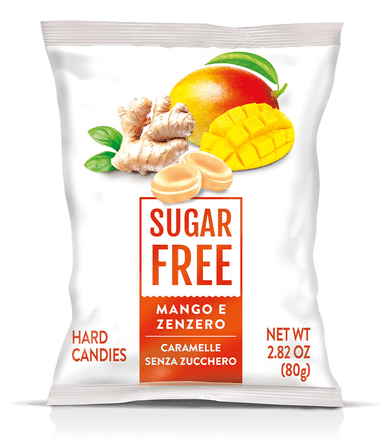
Sugar-free mango-flavored candies with ginger
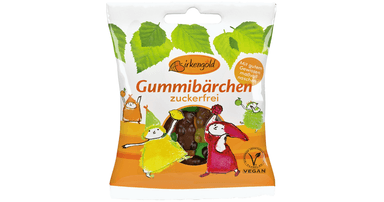
Sugar-free gummy bears
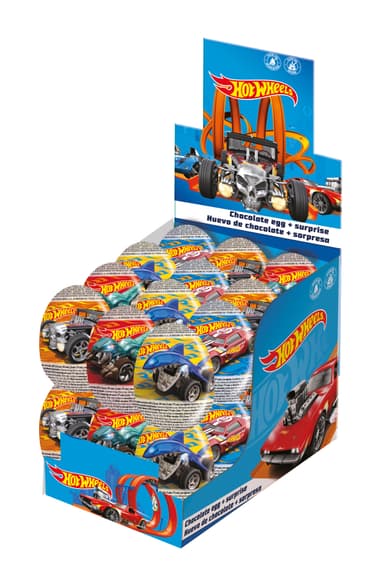
Chocolate egg HOT WHEELS, 20 g
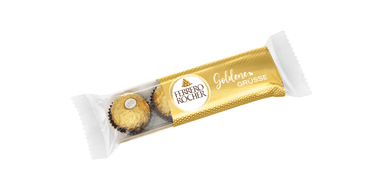
Chocolate candies FERRERO ROCHER, 50 g
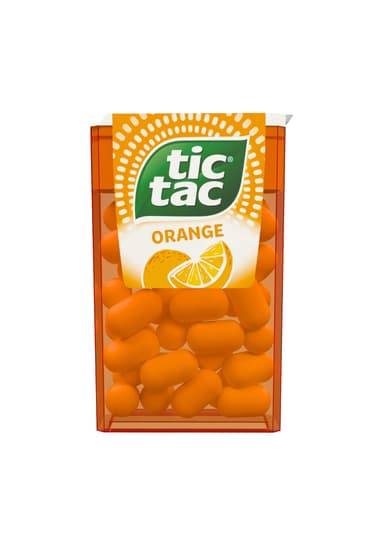
Candies TIC TAC, orange flavour, 18 g
Dragee MINT, 80 g
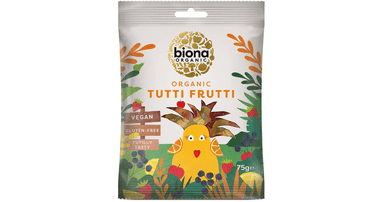
TUTTI FRUTTI gummy candies, organic
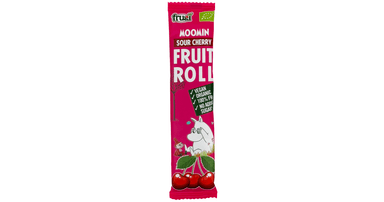
Organic Sour Cherry Strips
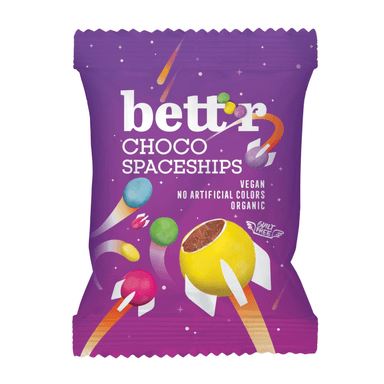
Chocolate candies CHOCO SPACESHIPS, organic

Kalev Kiss-Kiss iris

Kalev Cherry Flavored Marmalade Candy
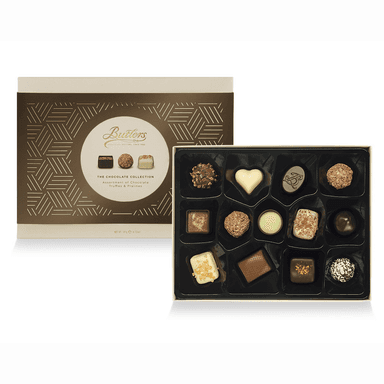
Chocolate Candy Collection TRUFFLES AND PRALINES

Gummies HARIBO, Balla Stixx, Himb/Bromb, 200 g
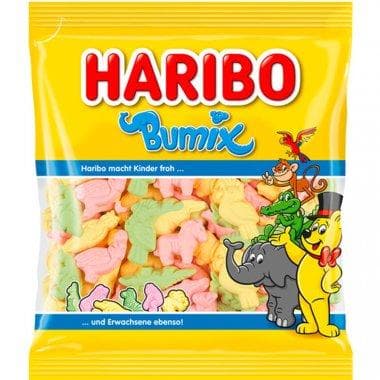
Gummies HARIBO, Bumix, 175 g
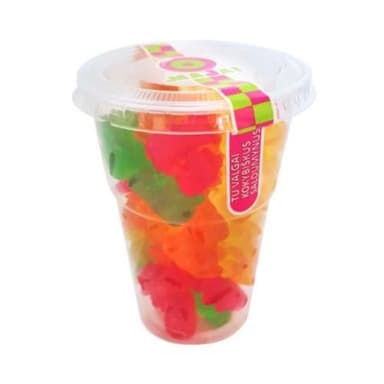
Glazed gummy, Bears, 200g
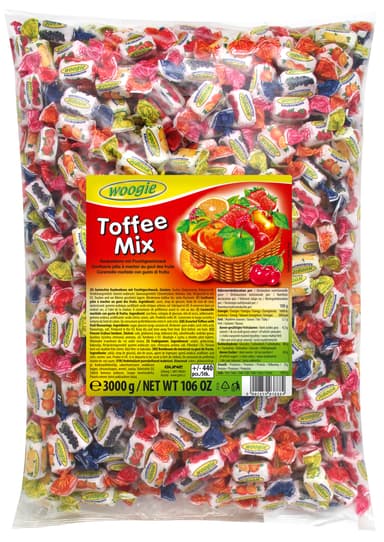
Candies WOOGIE, Toffee mix, 3 kg
Dragee RŪTA Almonds with chocolate and coffee, 100 g
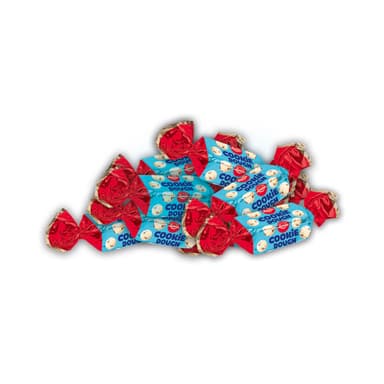
Sweets LAIMA, cookie dough flavor, 1 kg
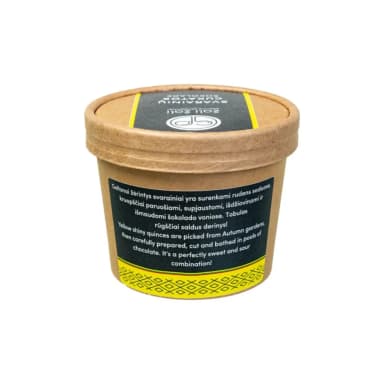
Quince candied in dark chocolate
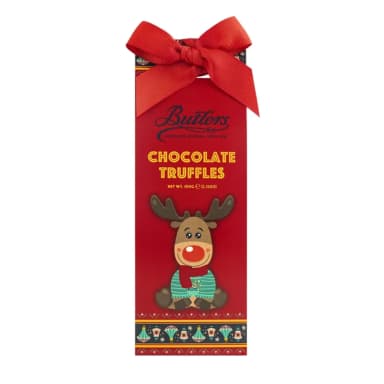
Milk chocolate truffles
Dragee ŽEMĖS RIEŠUTAI, in cocoa, 1 kg

Sweets ROSHEN Konafetto, with cream-milk, 1 kg
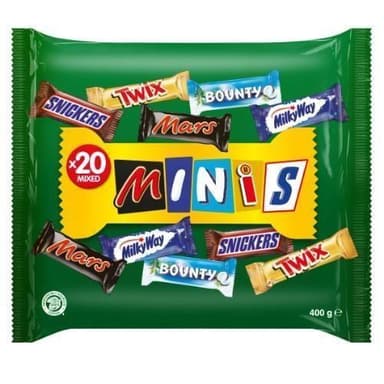
MIXED MINIS Bag 400g
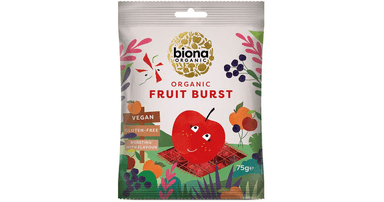
Fruit Burst Gummies, organic
