
Fast-serving pasta YUM YUM, chicken flavor, 70 g
120 people viewed this product
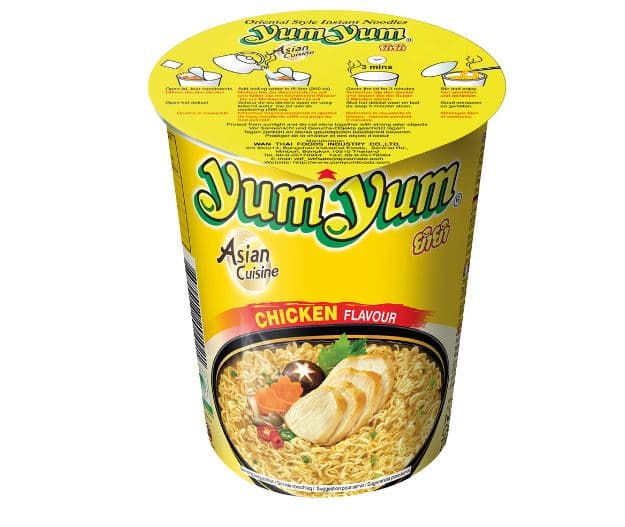
Fast-serving pasta YUM YUM, chicken flavor, 70 g
Unlock Full Product Analysis
Get AI-powered ingredient breakdowns, personalized health insights, and smarter food choices — all inside Telegram.
Noticed incorrect or incomplete information about this product?
Report a problem?
Similar Products
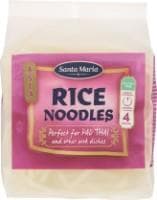
Rice Noodles SANTA MARIA, 180 g
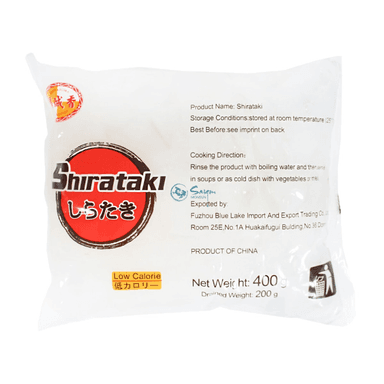
Shirataki Konjac Noodles
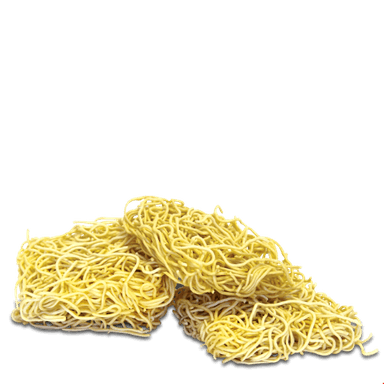
Asian noodles with egg SANTA MARIA, 6 kg

Santa Maria Rice Noodles
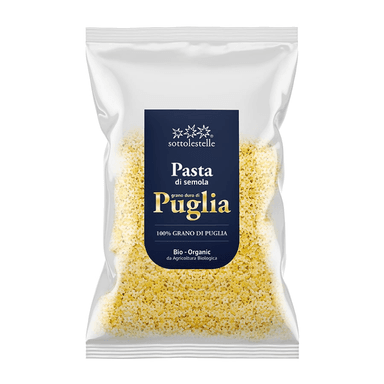
Star-shaped pasta, organic
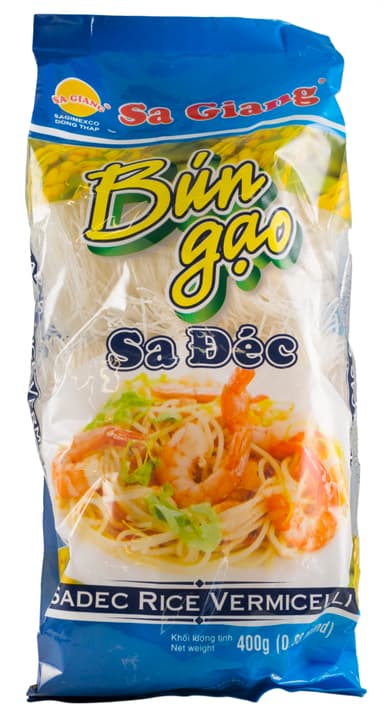
Pasta SA-GIANG, rice noodles, 400g
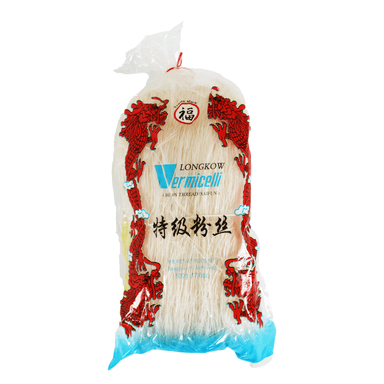
Noodles LUNGKOW, glass vermicelli, 500 g
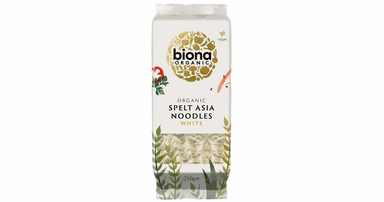
Spelt noodles ASIA NOODLES, egg-free, organic

Ansung Noodle - Miso and Beef Broth
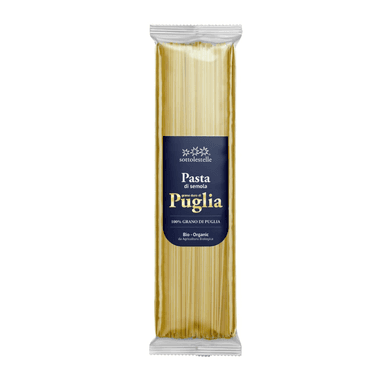
Organic spaghetti pasta
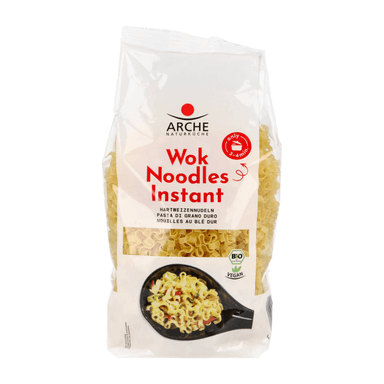
Quick-cooking WOK NOODLES, organic
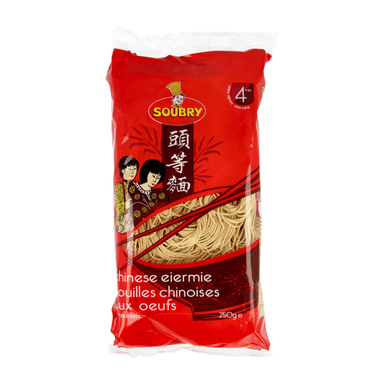
Chinese Egg Noodles SOURBY
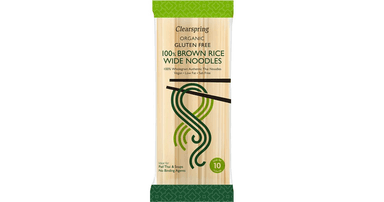
Wide organic brown rice noodles
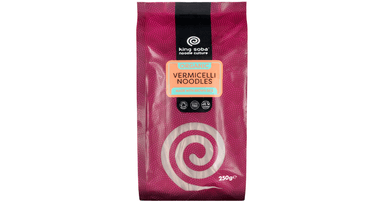
Brown rice vermicelli, organic
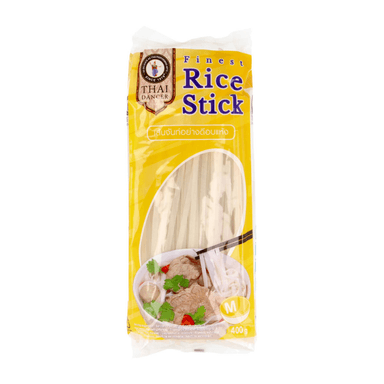
Rice noodles rice stick

Egg Noodles

Thai Choice, Rice Vermicelli, 200g
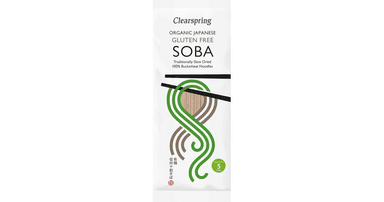
Buckwheat noodles SOBA, organic
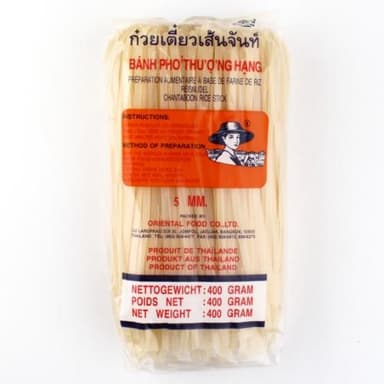
Rice noodle FARMER, 5mm, 400 g
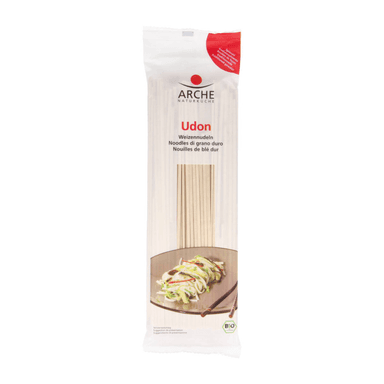
UDON noodles, organic
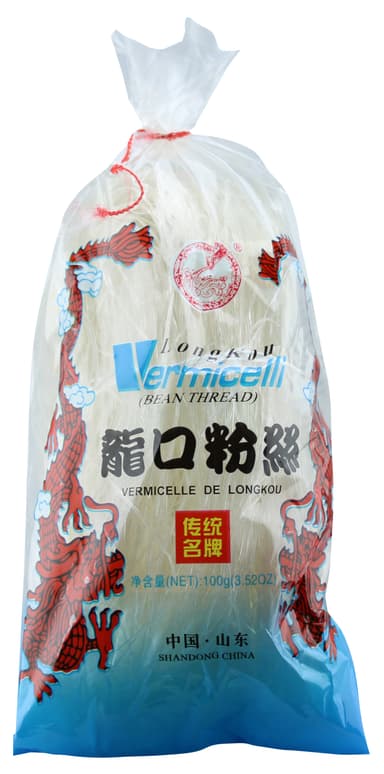
Pasta LUNGKOW, glass vermicelli, 100g

Thai Rice Noodles
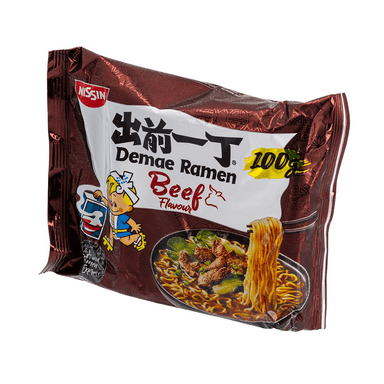
Pasta NISSIN Demae Ramen Beef, 100 g

Samyang Buldak Hot Chicken Flavor Ramen with Cheese
