
BIO 2 follow-on goat milk formula for infants over 6 months, organic
251 people viewed this product
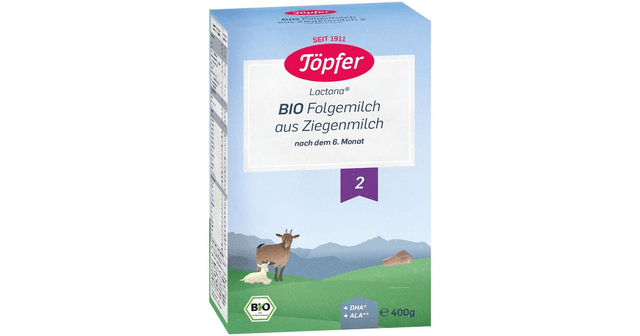
BIO 2 follow-on goat milk formula for infants over 6 months, organic
Unlock Full Product Analysis
Get AI-powered ingredient breakdowns, personalized health insights, and smarter food choices — all inside Telegram.
Noticed incorrect or incomplete information about this product?
Report a problem?
Similar Products
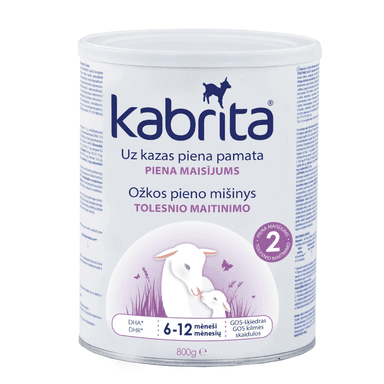
Follow-on goat milk formula for babies No. 2, 6-12 months.
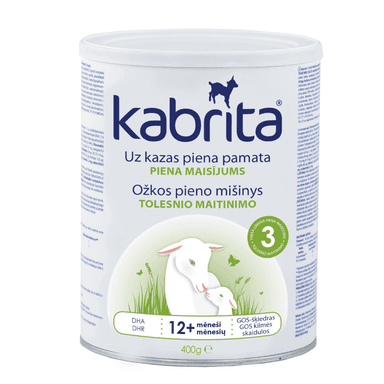
Tolesnio supplementary goat milk formula No. 3, from 12 months.
LACTANA BIO PRE infant formula milk powder for babies, up to 6 months, organic
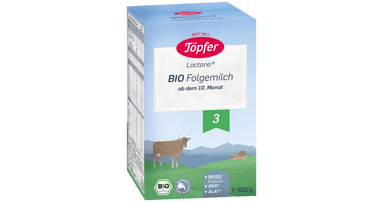
LACTANA BIO 3 follow-on infant milk formula for babies over 10 months, organic
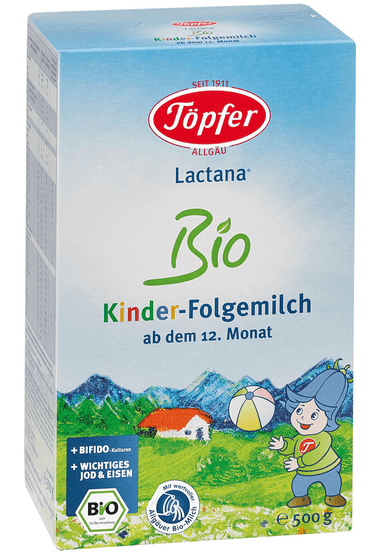
Lactana Bio 4 Milk Formula, from 12 months, organic
APTAMIL Milk Formula 2 (from 6 months), 800g
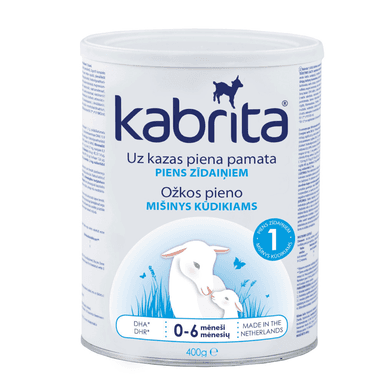
Goat milk infant formula No. 1 for babies, 0-6 months.
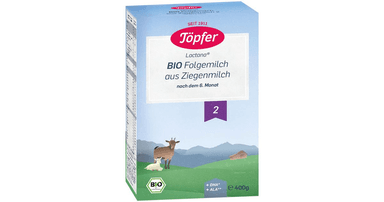
BIO 2 follow-on goat milk formula for infants over 6 months, organic
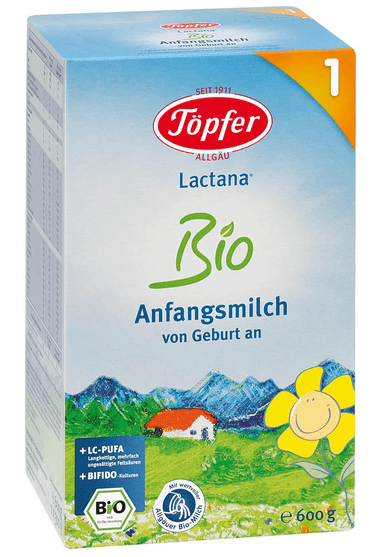
Lactana Bio 1 Infant Formula, from birth
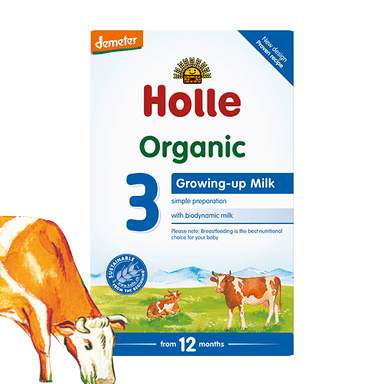
Baby formula No. 3, for infants from 10 months, organic
APTAMIL Baby Formula 1 (from birth), 800g
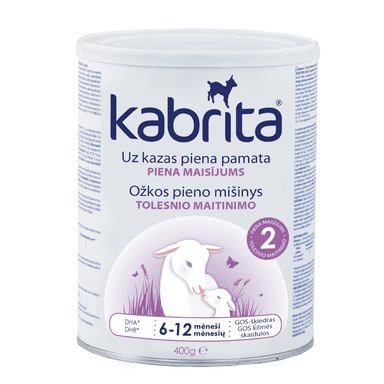
Goat milk formula for infants No. 2, 6-12 months.
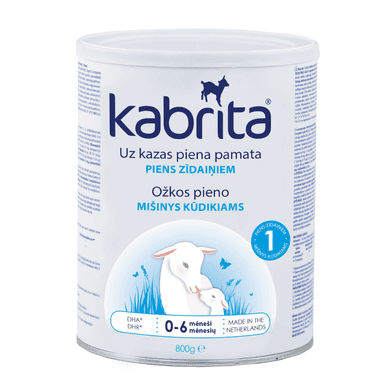
Goat milk formula for infants No.1, 0-6 months
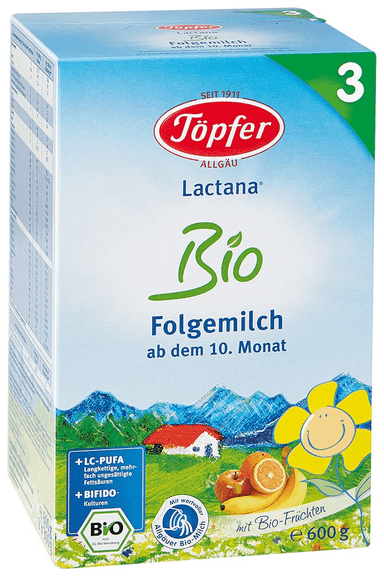
Lactana Bio 3 follow-on milk formula for infants, from 10 months.
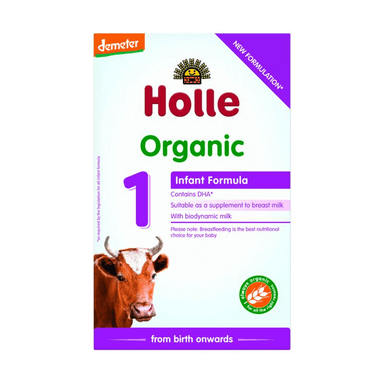
Organic infant formula No. 1 for babies, from birth
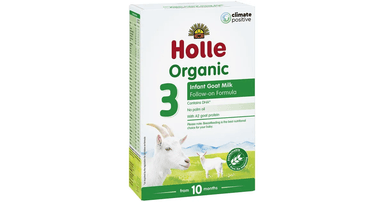
Goat milk formula for babies from 10 months No. 3, biodynamic
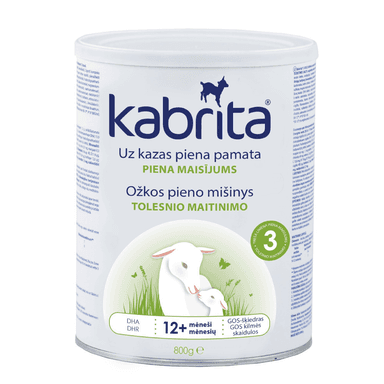
Special goat milk formula No. 3, from 12 months.
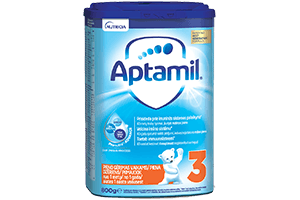
APTAMIL 3 Milk Formula (from 1 year), 800g
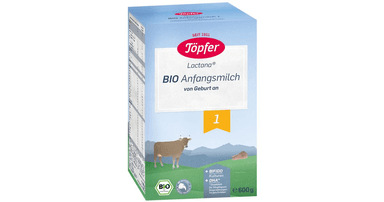
LACTANA BIO 1 infant formula milk for babies, up to 6 months, organic
