
Goat milk formula for babies from 10 months No. 3, biodynamic
233 people viewed this product
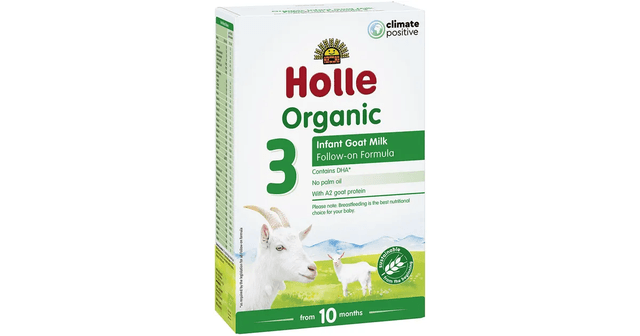
Goat milk formula for babies from 10 months No. 3, biodynamic
Unlock Full Product Analysis
Get AI-powered ingredient breakdowns, personalized health insights, and smarter food choices — all inside Telegram.
Noticed incorrect or incomplete information about this product?
Report a problem?
Similar Products
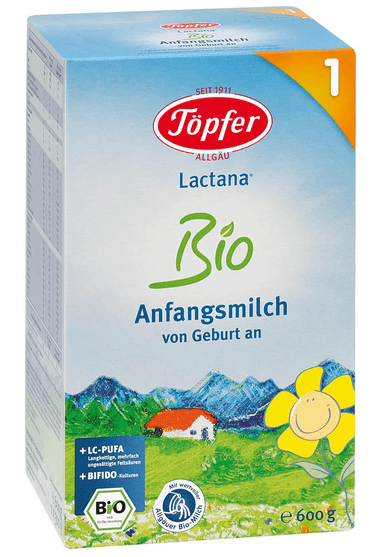
Lactana Bio 1 Infant Formula, from birth
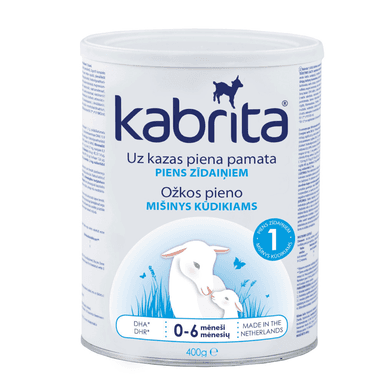
Goat milk infant formula No. 1 for babies, 0-6 months.
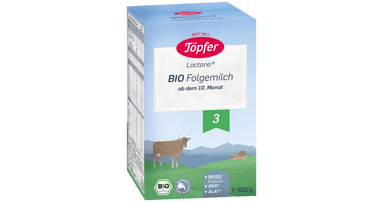
LACTANA BIO 3 follow-on infant milk formula for babies over 10 months, organic
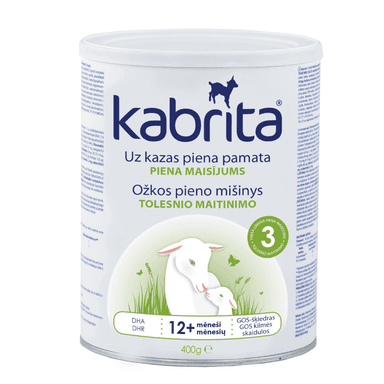
Tolesnio supplementary goat milk formula No. 3, from 12 months.
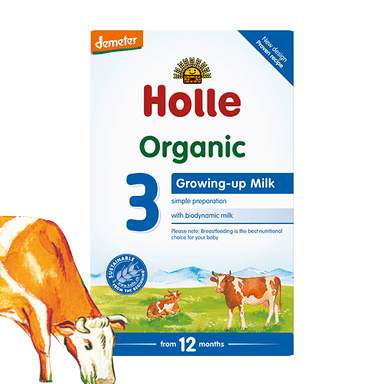
Baby formula No. 3, for infants from 10 months, organic
LACTANA BIO 1 infant formula milk for babies, up to 6 months, organic
APTAMIL 3 Milk Formula (from 1 year), 800g
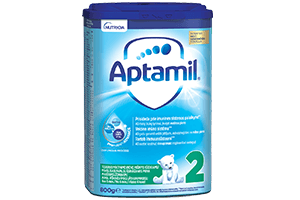
APTAMIL Milk Formula 2 (from 6 months), 800g
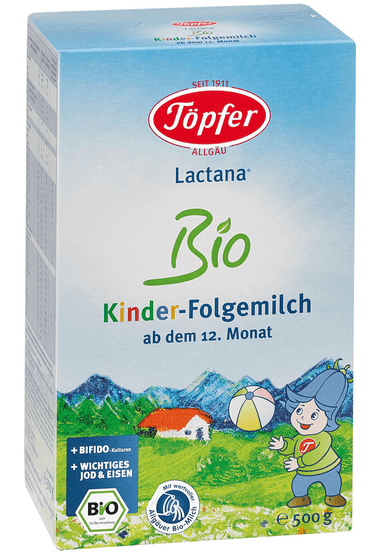
Lactana Bio 4 Milk Formula, from 12 months, organic
BIO 2 follow-on goat milk formula for infants over 6 months, organic
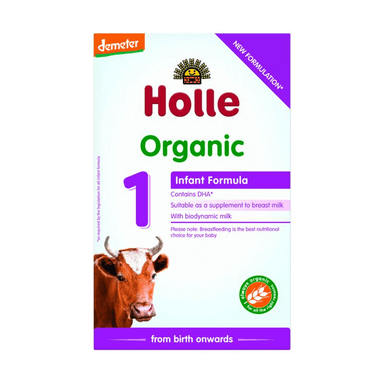
Organic infant formula No. 1 for babies, from birth
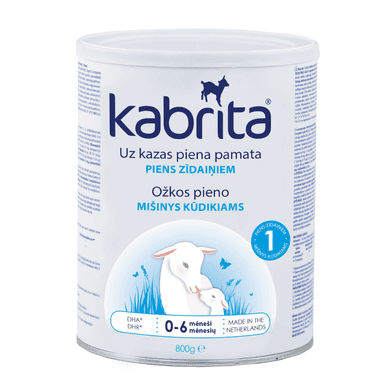
Goat milk formula for infants No.1, 0-6 months
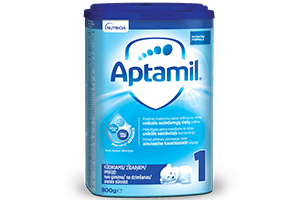
APTAMIL Baby Formula 1 (from birth), 800g
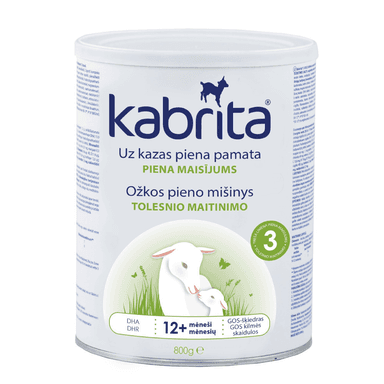
Special goat milk formula No. 3, from 12 months.
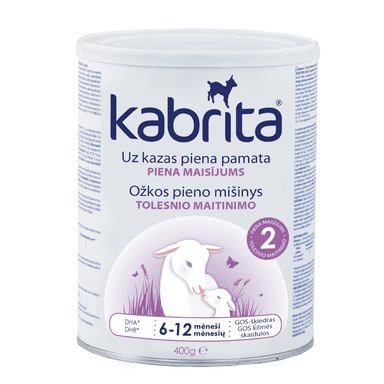
Goat milk formula for infants No. 2, 6-12 months.
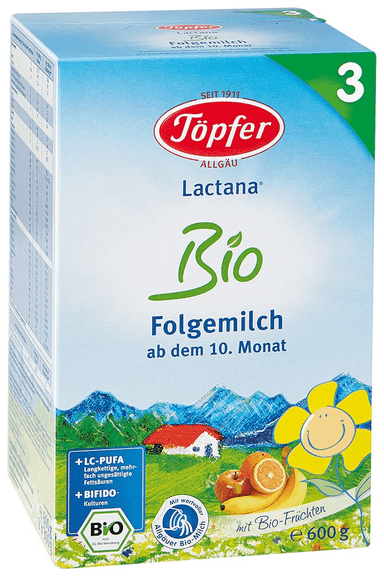
Lactana Bio 3 follow-on milk formula for infants, from 10 months.
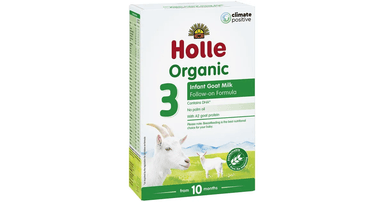
Goat milk formula for babies from 10 months No. 3, biodynamic
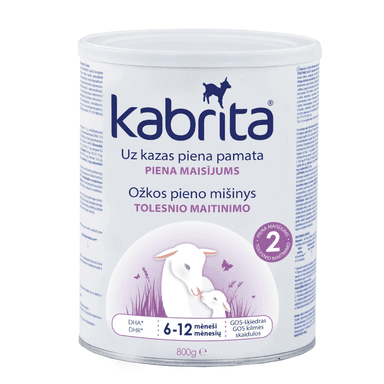
Follow-on goat milk formula for babies No. 2, 6-12 months.
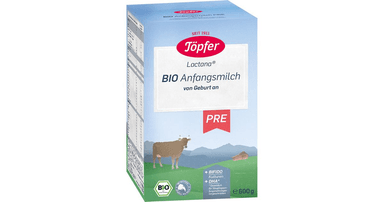
LACTANA BIO PRE infant formula milk powder for babies, up to 6 months, organic
