
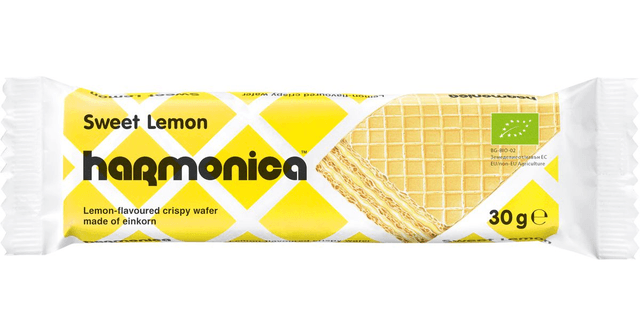
Citrus waffle, organic
Unlock Full Product Analysis
Get AI-powered ingredient breakdowns, personalized health insights, and smarter food choices — all inside Telegram.
Noticed incorrect or incomplete information about this product?
Report a problem?
Similar Products
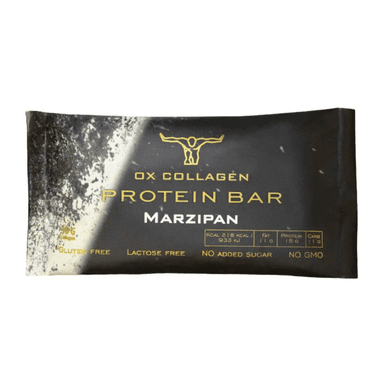
Protein Bar MARZIPAN
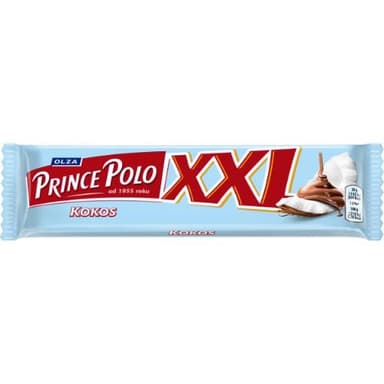
Waffle bar PRINCE POLO, w coconut fill., glazed w milk choc., 50 g
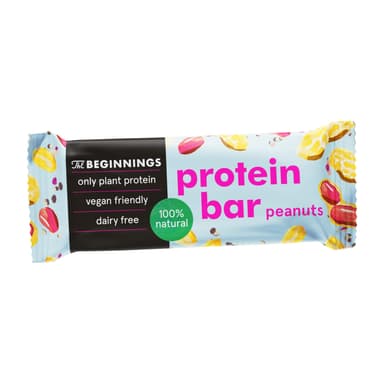
Vegan protein bar THE BEGINNINGS with peanuts, 40 g
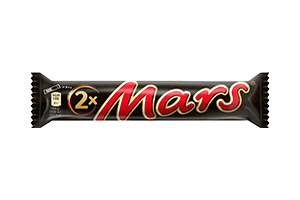
Mars Chocolate Bar 2PACK 70g
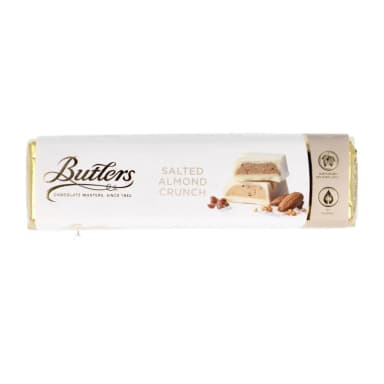
Chocolate bar with almonds SALTED ALMOND CRUNCH

Kalev Peanut Butter Bar with Caramel in Milk Chocolate
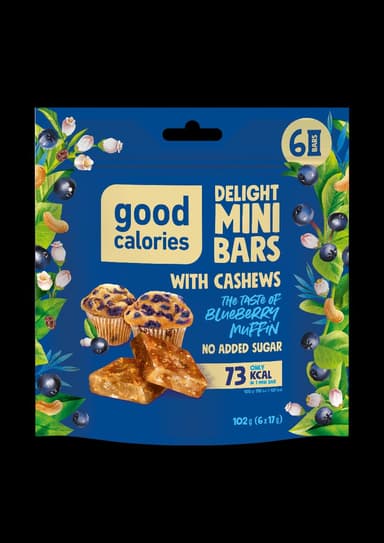
Mini nut bars GOOD CALORIES, with blueberries, 102 g

Tupla Double Layer Mint chocolate bar
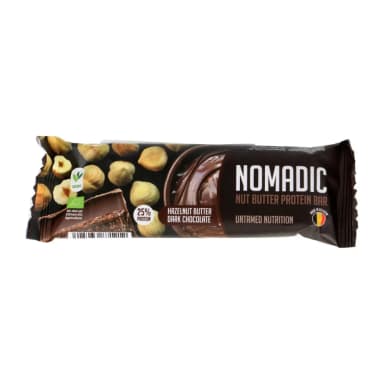
Protein bar HAZELNUT BUTTER DARK CHOCOLATE, organic
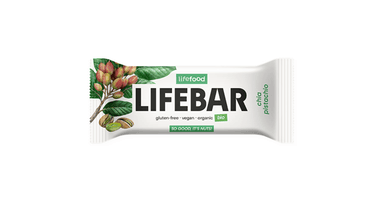
Bar made with chia seeds and pistachios, organic
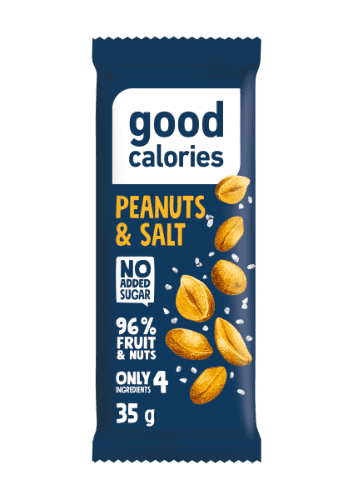
Date bar GOOD CALORIES, with salted peanuts, 35 g

Caramel and cookie flavored protein bar with soy crisps
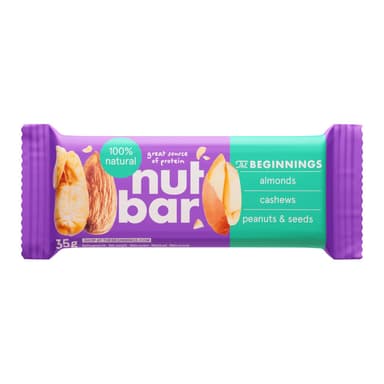
Nut and seed bar THE BEGINNINGS, vegan, gluten-free, lactose-free, 35g
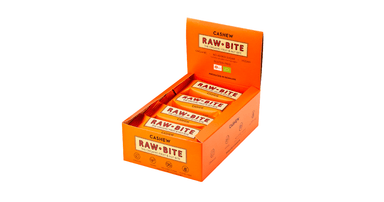
Organic cashew bars, in a box
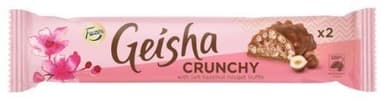
Chocolate bar GEISHA 50g
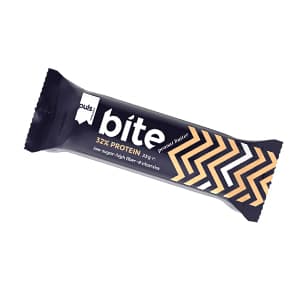
Protein bar PULS BITE low sugar peanut butter, 35g
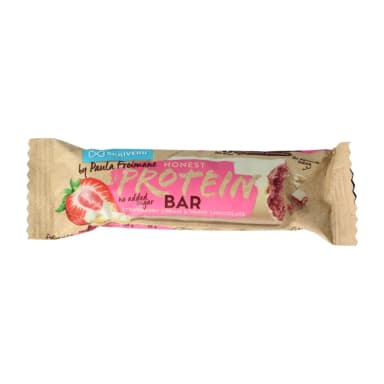
Protein Bar STRAWBERRY CREAM & WHITE CHOCOLATE
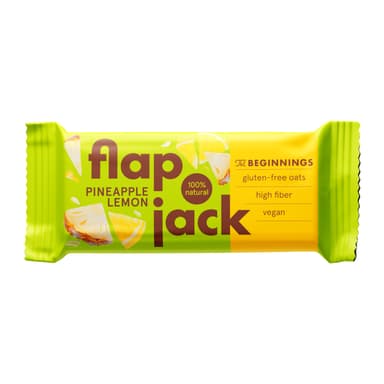
Bar with FLAPJACK pineapple and lemon,vegan,gluten-free, lactose-free
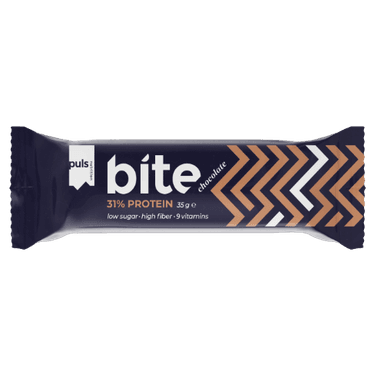
Protein bar PULS BITE low sugar chocolate flawor, 35g
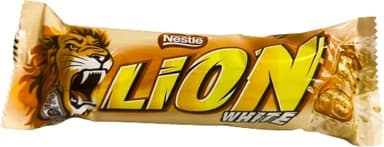
Chocolate bar LION White, 42 g
Energy bar BioTechUSA Go Energy Bar, strawberry in yogurt, 40 g
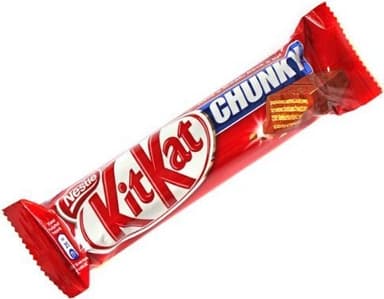
Chocolate bar KIT KAT Chunky, 40 g
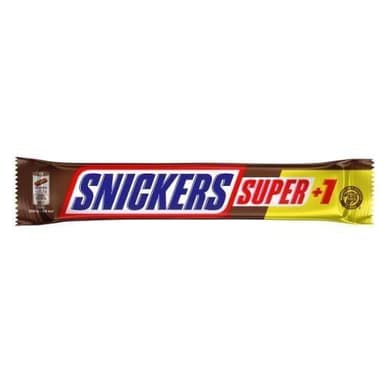
Chocolate SNICKERS Super + 1, with nougat & caramel fill.,roasted nuts
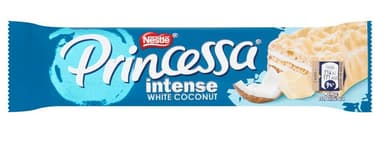
Waffle bar PRINCESSA, coconut flavor, 30.5g
