
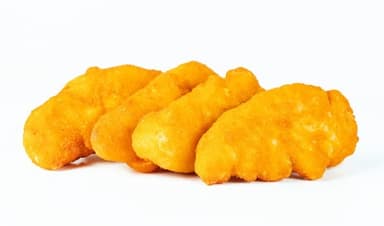
Crispy fried chicken strips, 300 g
128 people viewed this product
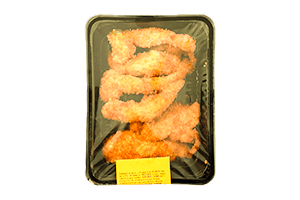
Crispy fried chicken strips, 300 g
Unlock Full Product Analysis
Get AI-powered ingredient breakdowns, personalized health insights, and smarter food choices — all inside Telegram.
Noticed incorrect or incomplete information about this product?
Report a problem?
Similar Products
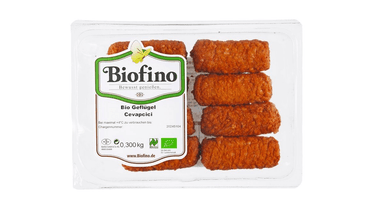
Biofino Poultry Cevapcici
Frozen chicken steak VESTA with spinach filling, 450 g
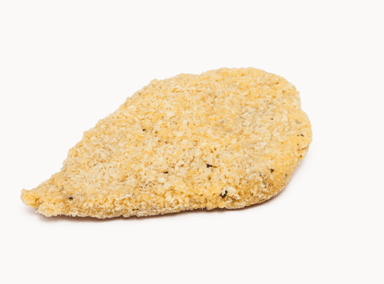
Frozen chicken steak PANKO, 30 x 120g

Chicken meatballs with tzatziki sauce
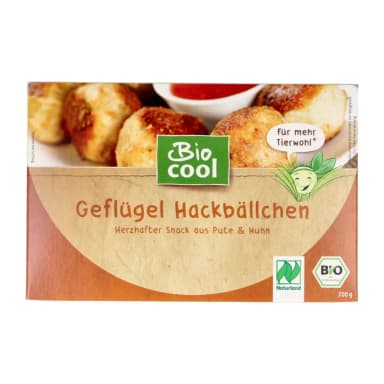
Frozen organic chicken meatballs
Home style chicken deep-frozen schnitzel
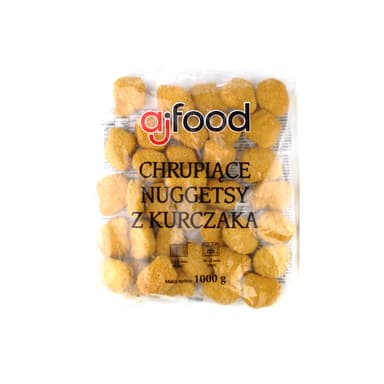
Crispy chicken nuggets, 20-22g, 1 kg

Chicken Wing appetizing, 1kg MSR

Tallegg, Kiev Cutlet, 300g
Chicken breast breaded, 1 kg MSR
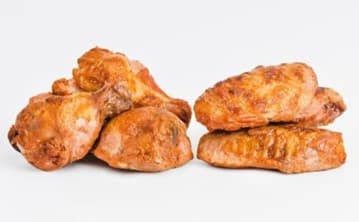
Chicken Wing appetizing, 1kg MSR
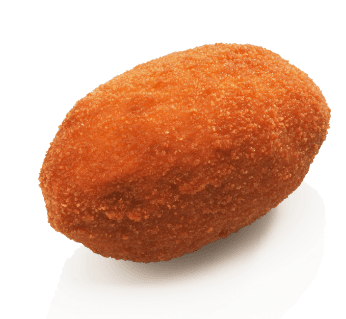
Cutlet Kiev, fried, frozen, 0,145kg (30 pcs)

Frozen chicken Sweet&chilli,, 1 kg MSR
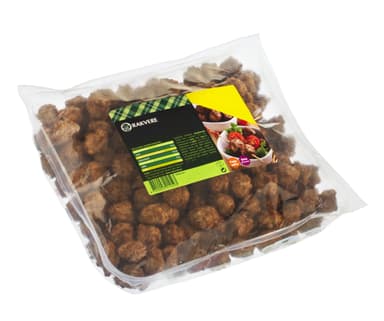
Mini meatballs, frozen, 1 kg
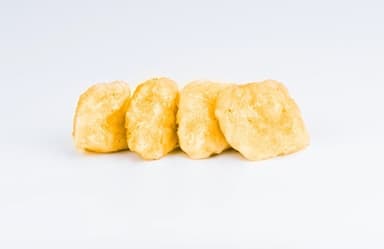
Frozen Chicken Fried Bites Tempura,IQF, 1 kg MSR

Maks&Moorits, Breaded Schnitzel Fillets
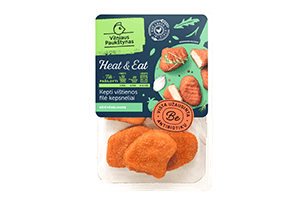
Breaded fried chicken fillet pieces 260g

Rannarootsi, EHE chicken mini-meatballs (E-free), 350g
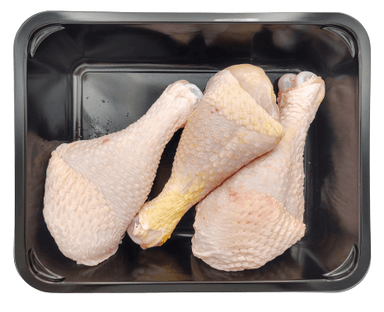
Organic chicken drumsticks
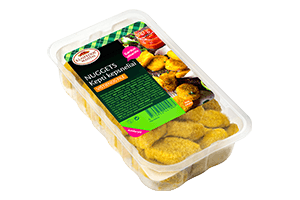
Fried chicken filet nuggets, 300 g
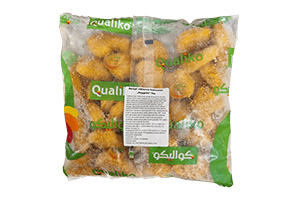
Frozen chicken nuggets 1kg
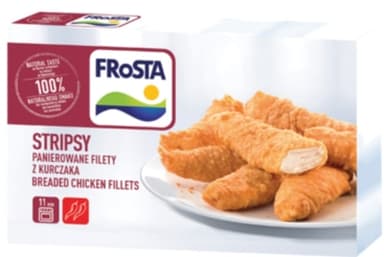
Frozen spicy chicken strips and roasts, in breadcrumbs, 250g
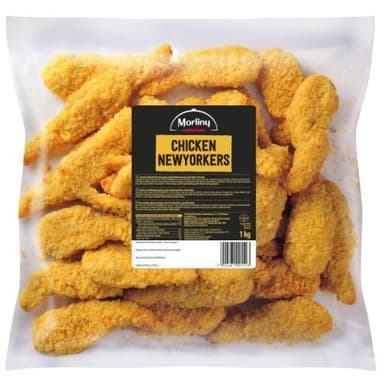
Breaded Chicken fille NEWYORKERS, formed, frozen, 1 kg
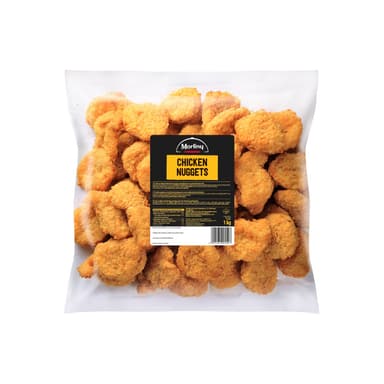
Breaded Chicken Nuggets, frozen, 1 kg
