
/
Dairy products and eggs
/Mayonnaise sauces
/Mayonnaise sauces
/Mayonnaise sauce JOPPIE, Original, 500 g
Mayonnaise sauce JOPPIE, Original, 500 g
98 people viewed this product
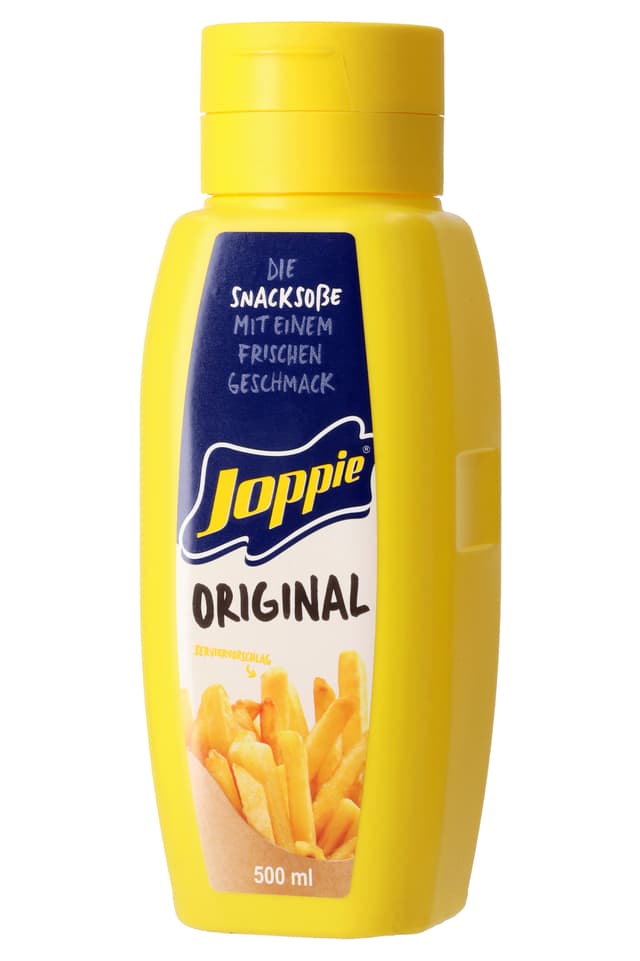
Mayonnaise sauce JOPPIE, Original, 500 g
Unlock Full Product Analysis
Get AI-powered ingredient breakdowns, personalized health insights, and smarter food choices — all inside Telegram.
Noticed incorrect or incomplete information about this product?
Report a problem?
Similar Products
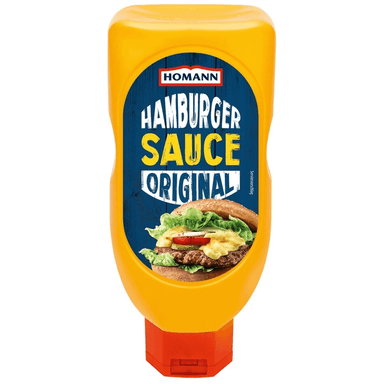
Mayonnaise burger sauce HOMANN, 450ml
Daumantu mayonnaise dressing DAUMATU RAUSVASIS, 450 g
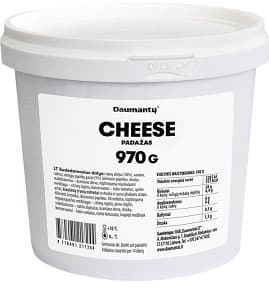
Mayonnaise sauce DAUMANTŲ, Cheese, 58% fat, 970g
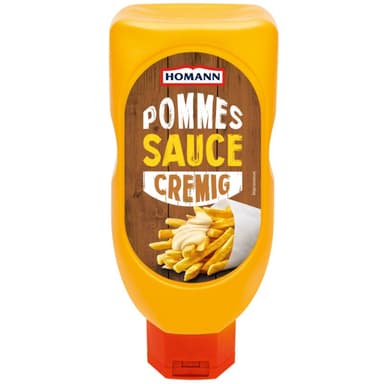
Mayonnaise pommes sauce HOMANN, 450ml
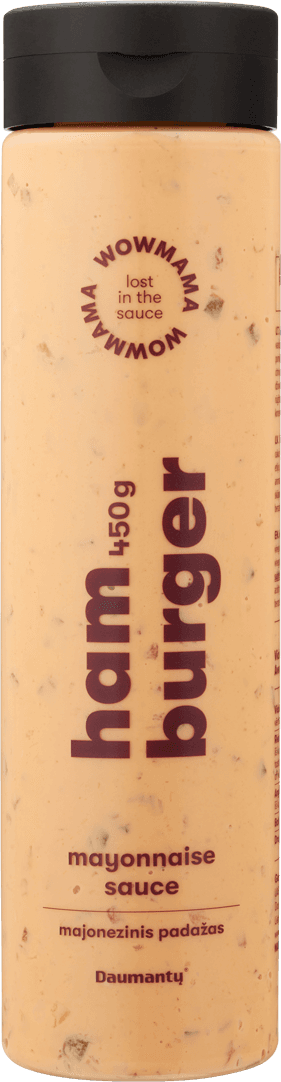
Sauce WOWMAMA Hamburger, 450 g
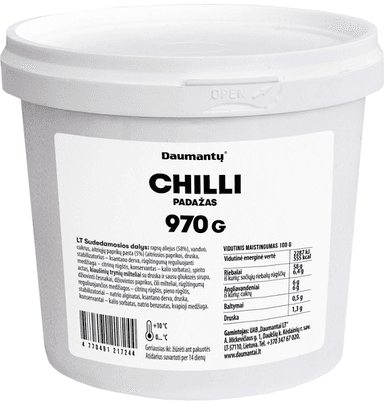
Mayonnaise sauce DAUMANTŲ CHILLI, 58% fat, 970g
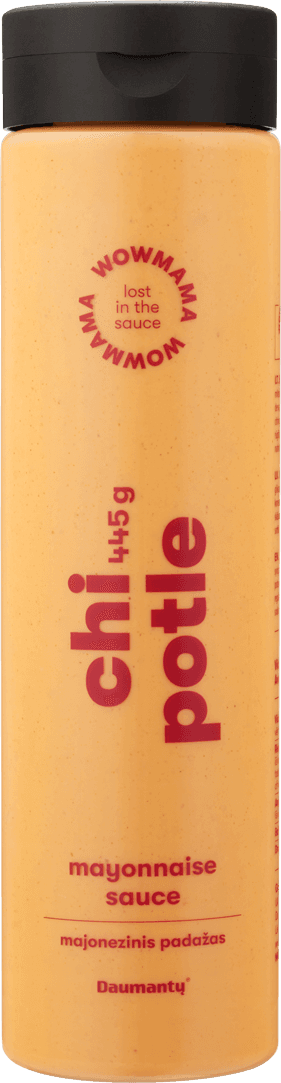
Sauce WOWMAMA Chipotle, 440 g
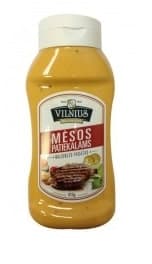
Mayonnaise sauce VILNIUS, for meat dishes, 41 g
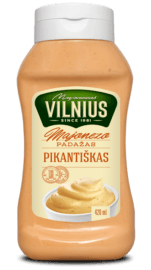
Mayonnaise sauce VILNIUS Racy, 410 g
Daumantų mayonnaise dressing DAUMANTU BALTASIS, 25%, 450 g
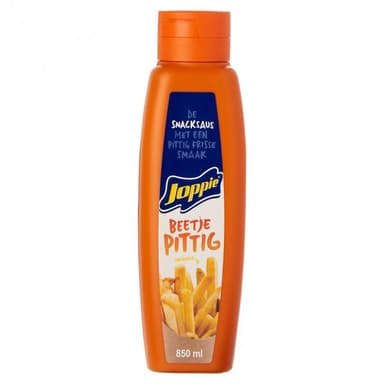
Mayonnaise sauce JOPPIE, Beetje Pittig, 850 g
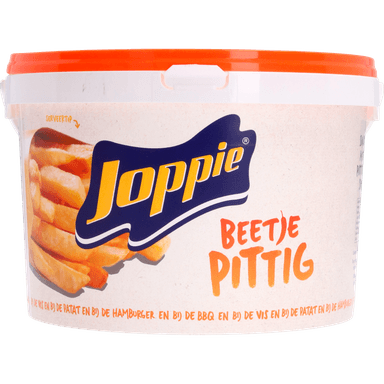
Mayonnaise sauce JOPPIE, Beetje Pittig, 2.5 kg
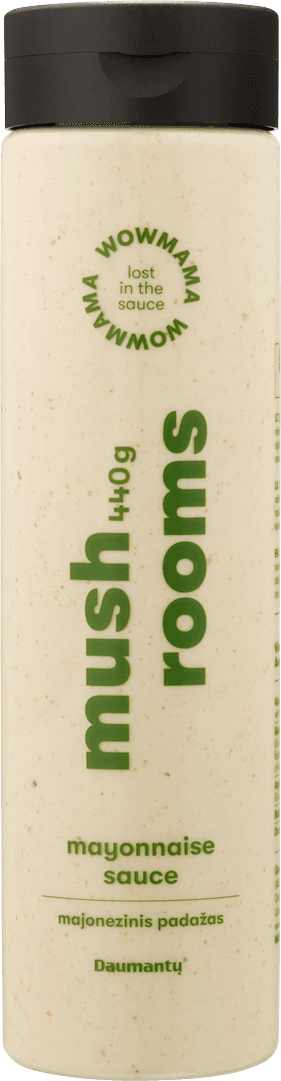
Sauce WOWMAMA Mushrooms, 420 g
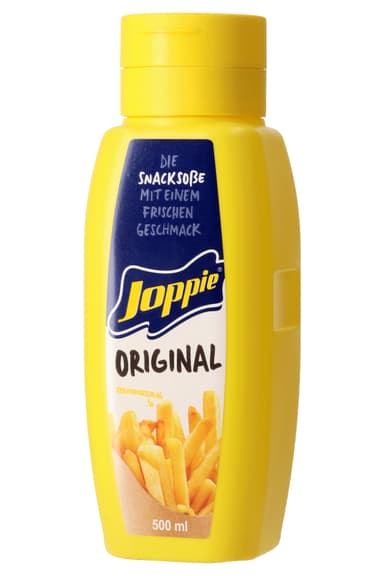
Mayonnaise sauce JOPPIE, Original, 500 g
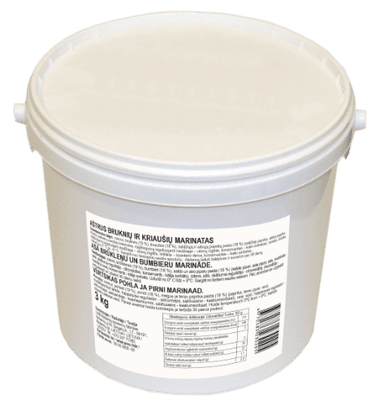
Marinated KĖDAINIŲ horeca professional spicy cranbe, 3 kg
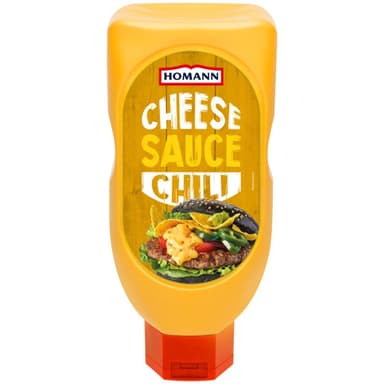
Mayonnaise chili sauce HOMANN, 450 ml
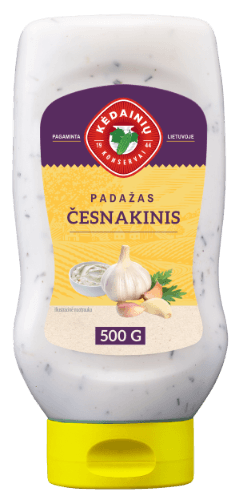
Sauce KĖDAINIŲ Garlic, 40%, 500g
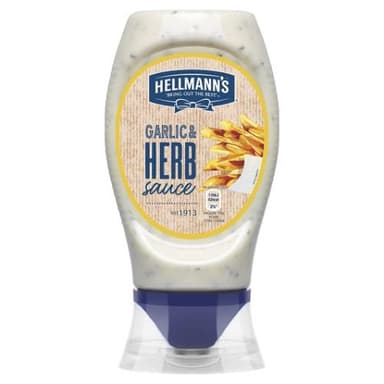
SAUCE HELLMANNS, Garlic&Herb, 250 ml
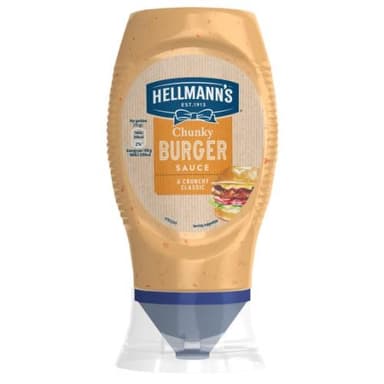
Sauce, HELLMANNS, Chunky Burger, 250 ml

Tere Merevaik cheese mayonnaise
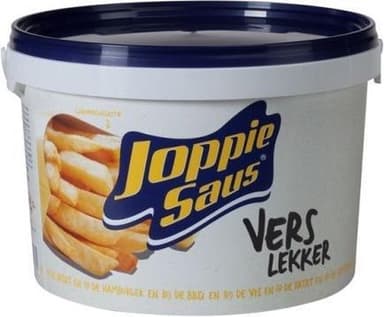
Mayonnaise sauce JOPPIE, Original, 2.5 kg
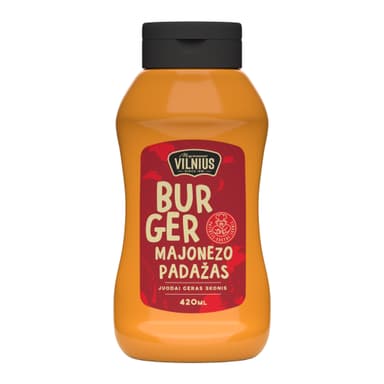
Mayo sauce VILNIUS Burger, 420 ml
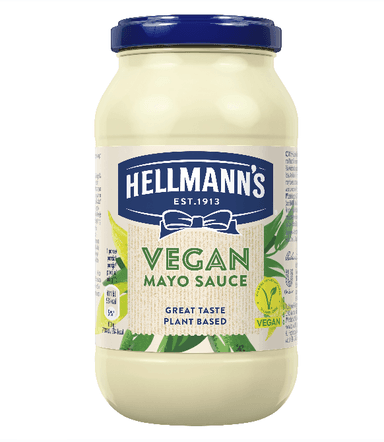
Mayonnaise HELLMANNS Vegan, 338 ml
HELLMANN'S ORIGINAL Mayonnaise, 405ml
