
/
Dairy products and eggs
/Mayonnaise sauces
/Mayonnaise sauces
/Mayonnaise sauce JOPPIE, Original, 2.5 kg
Mayonnaise sauce JOPPIE, Original, 2.5 kg
111 people viewed this product
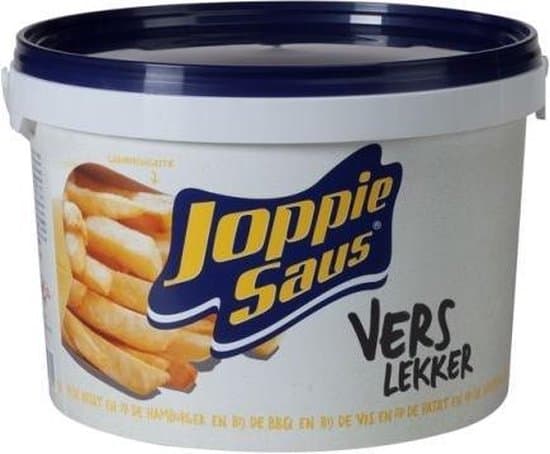
Mayonnaise sauce JOPPIE, Original, 2.5 kg
Unlock Full Product Analysis
Get AI-powered ingredient breakdowns, personalized health insights, and smarter food choices — all inside Telegram.
Noticed incorrect or incomplete information about this product?
Report a problem?
Similar Products
Sauce for burgers KĖDAINIŲ horeca professional 5kg
Mayonnaise hot dog sauce HOMANN, 450 ml
Daumantų mayonnaise dressing DAUMANTU BALTASIS, 25%, 450 g
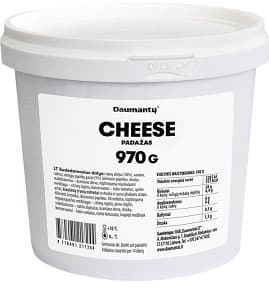
Mayonnaise sauce DAUMANTŲ, Cheese, 58% fat, 970g
Mayonnaise sauce VILNIUS, for meat dishes, 41 g
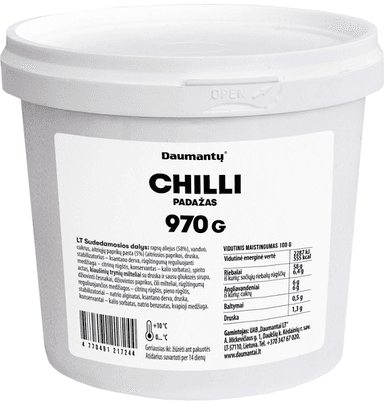
Mayonnaise sauce DAUMANTŲ CHILLI, 58% fat, 970g
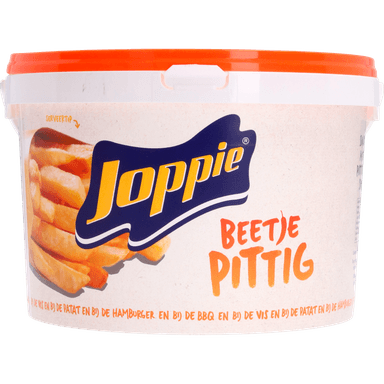
Mayonnaise sauce JOPPIE, Beetje Pittig, 2.5 kg
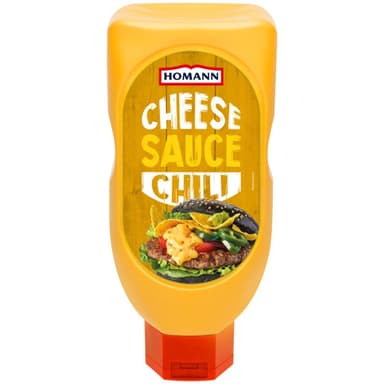
Mayonnaise chili sauce HOMANN, 450 ml
Daumantu mayonnaise dressing DAUMATU RAUSVASIS, 450 g

Tere Merevaik cheese mayonnaise
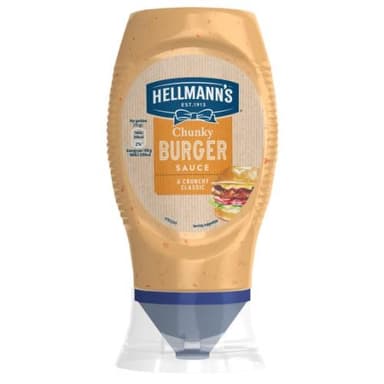
Sauce, HELLMANNS, Chunky Burger, 250 ml
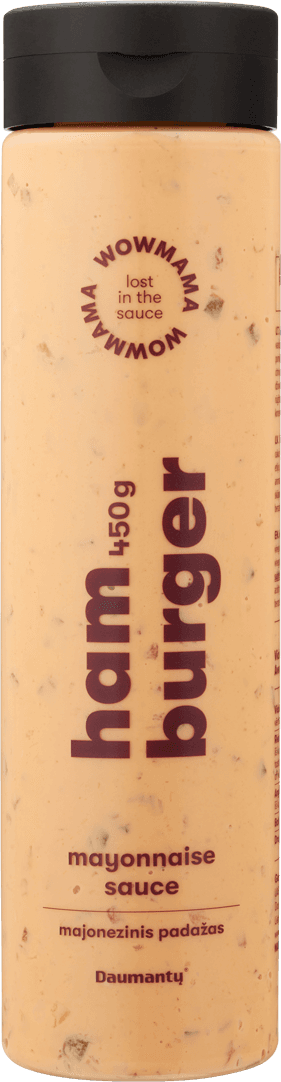
Sauce WOWMAMA Hamburger, 450 g
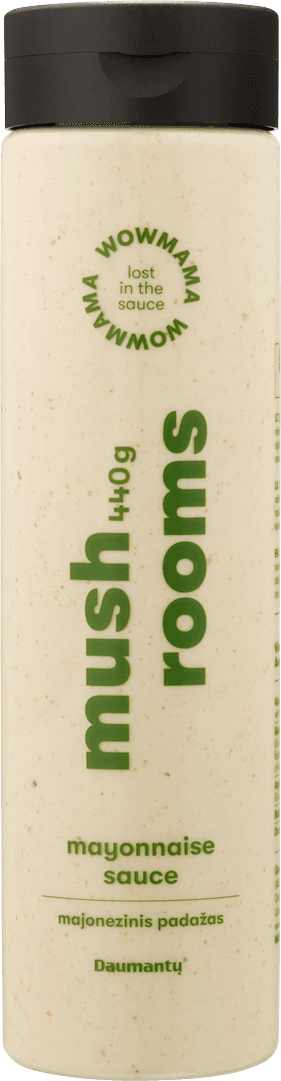
Sauce WOWMAMA Mushrooms, 420 g
Mayonnaise sauce VILNIUS Racy, 410 g
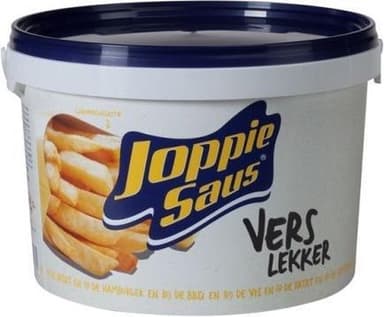
Mayonnaise sauce JOPPIE, Original, 2.5 kg
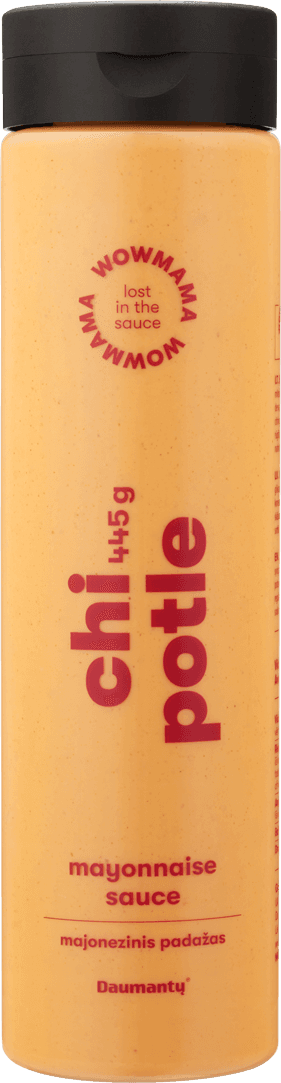
Sauce WOWMAMA Chipotle, 440 g
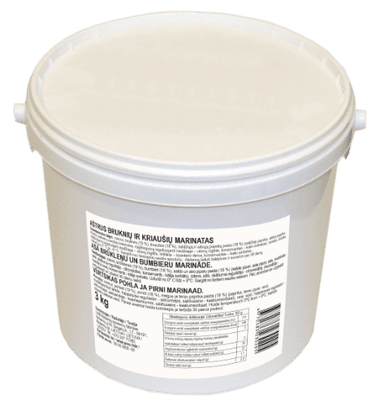
Marinated KĖDAINIŲ horeca professional spicy cranbe, 3 kg
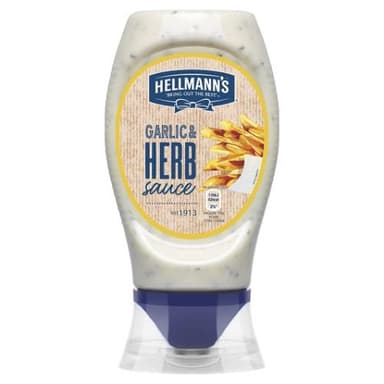
SAUCE HELLMANNS, Garlic&Herb, 250 ml
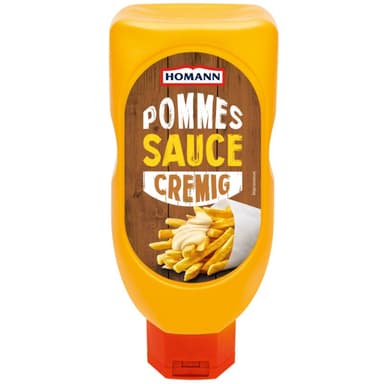
Mayonnaise pommes sauce HOMANN, 450ml
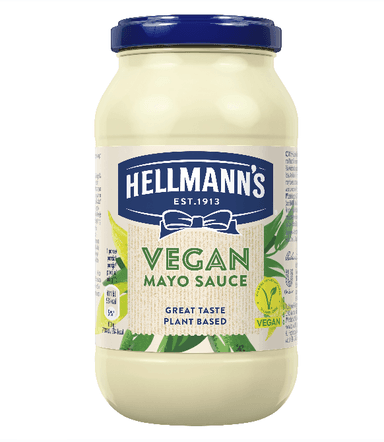
Mayonnaise HELLMANNS Vegan, 338 ml
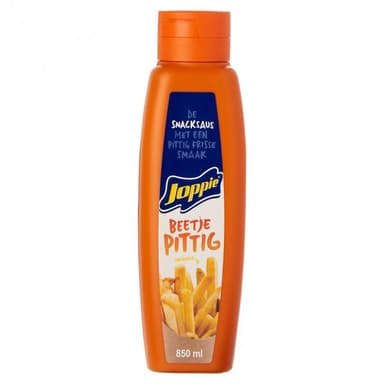
Mayonnaise sauce JOPPIE, Beetje Pittig, 850 g
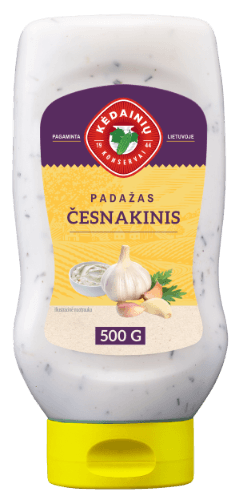
Sauce KĖDAINIŲ Garlic, 40%, 500g
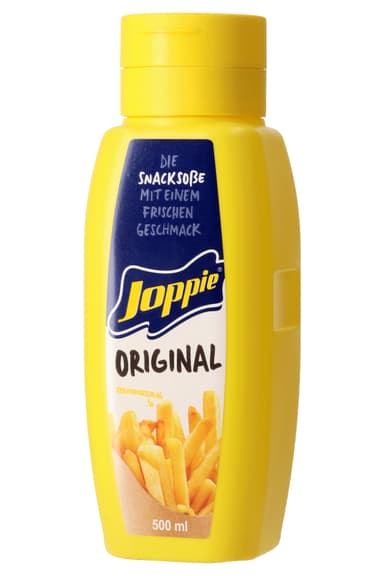
Mayonnaise sauce JOPPIE, Original, 500 g
HELLMANN'S ORIGINAL Mayonnaise, 405ml
