
/
Frozen products
/Frozen meat products
/Semifinished meat products
/Pork minced with bacon,frozen, 0.150 kg (40pcs)
Pork minced with bacon,frozen, 0.150 kg (40pcs)
105 people viewed this product
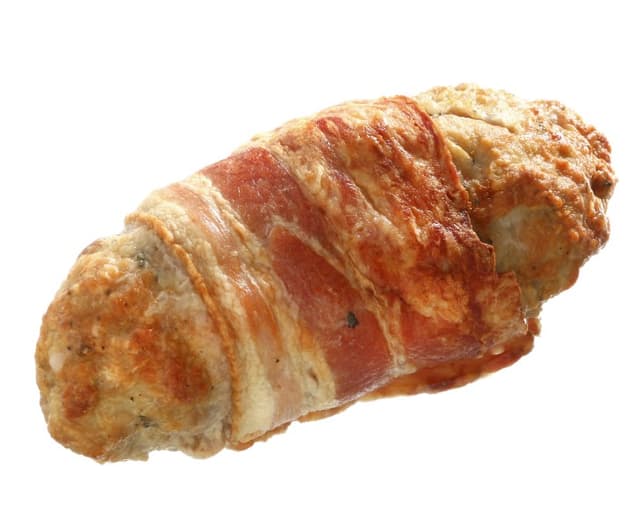
Pork minced with bacon,frozen, 0.150 kg (40pcs)
Unlock Full Product Analysis
Get AI-powered ingredient breakdowns, personalized health insights, and smarter food choices — all inside Telegram.
Noticed incorrect or incomplete information about this product?
Report a problem?
Similar Products

Frozen chicken Popcorn Garlic, 1 kg MSR
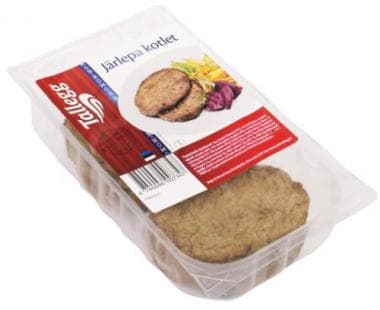
Fried poultry cutlets, frozen, ~2,2 kg
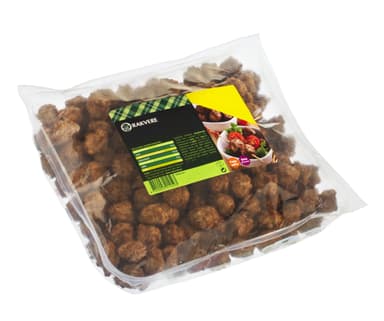
Mini meatballs, frozen, 1 kg

Frozen boiled fried chicken fillet 110-130 g, separately frozen, kg
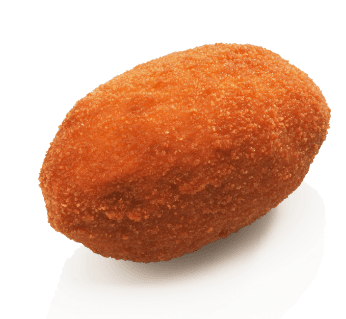
Cutlet Kiev, fried, frozen, 0,145kg (30 pcs)
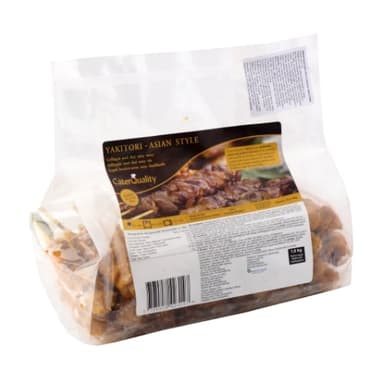
Frozen fried chicken skewers, Satay, 30 g x 33 skewers, 1 kg
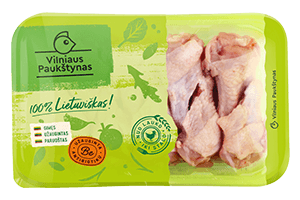
Fresh chicken wing drummettes without antibiotics, 500g
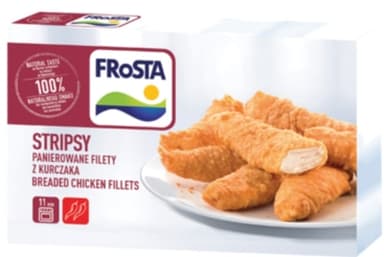
Frozen spicy chicken strips and roasts, in breadcrumbs, 250g
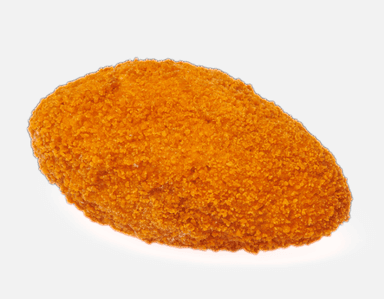
Cutlet KIJEVO fried, frozen 130 g (35 pcs.)
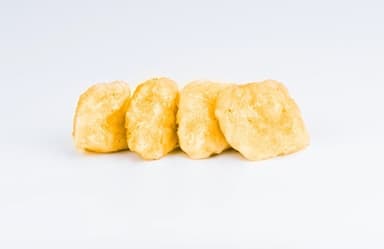
Frozen Chicken Fried Bites Tempura,IQF, 1 kg MSR

Family Meatballs
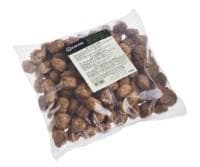
Frozen meatballs, baked, 2 kg

Tallegg, Mini meatballs from chicken breast fillet, 400g
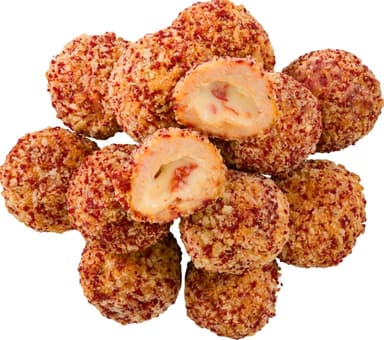
Frozen Chicken balls with cheese filling, 1.8 kg
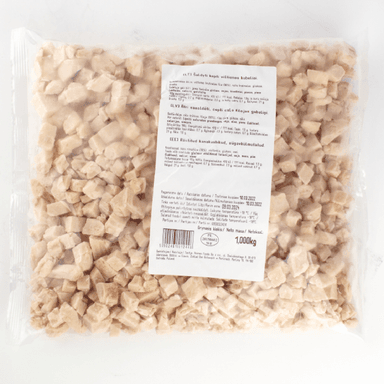
Frozen roasted chicken breast slices MORLINY, 1 kg
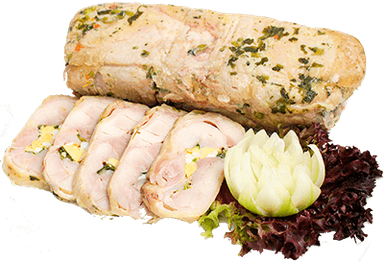
Vacuum-packed cooked poultry roll with parsley, 1 kg

Chicken meatballs with tzatziki sauce

Meatballs
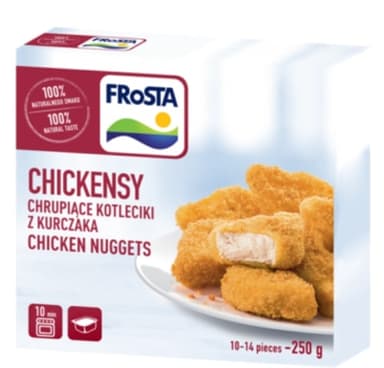
Frozen chicken nugets, in breadcrumbs, 250 g
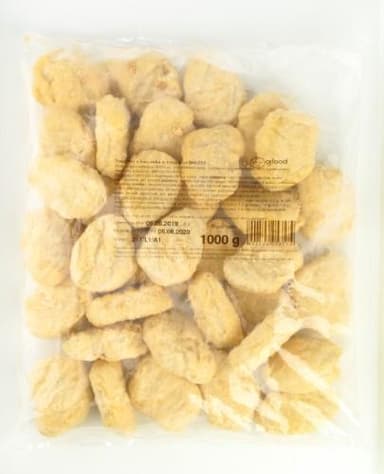
Frozen tempura dipped chicken nuggets, AJ FOOD, 1 kg
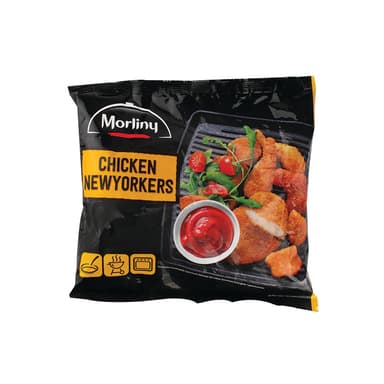
Breaded Chicken fille, formed, frozen, 500g
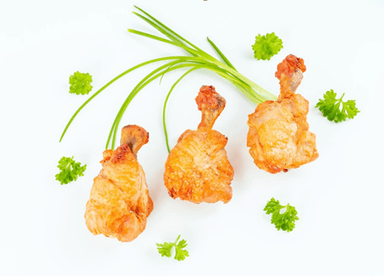
Chicken wing BBQ LOLIPOPS, 1 kg MSR

Chicken fillet nuggets
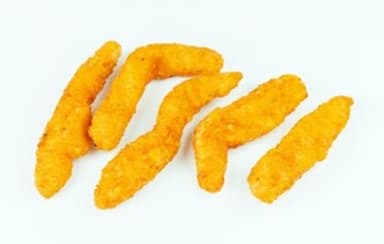
Frozen chicken Fingers Cornflakes HENY, 1 kg MSR
