
Ramen SAMYANG, Buldak Original, 140 g
839 people viewed this product
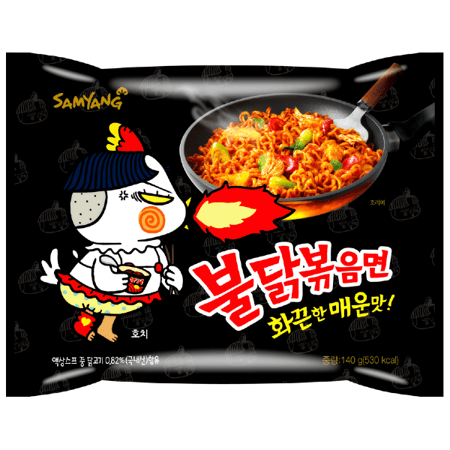
Ramen SAMYANG, Buldak Original, 140 g
Unlock Full Product Analysis
Get AI-powered ingredient breakdowns, personalized health insights, and smarter food choices — all inside Telegram.
Noticed incorrect or incomplete information about this product?
Report a problem?
Similar Products
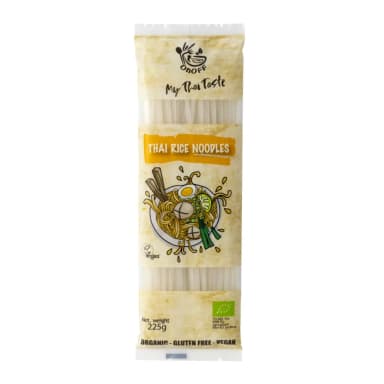
Thai rice noodles, organic
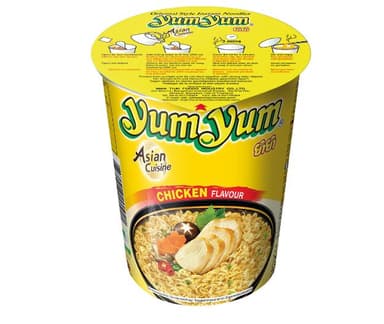
Fast-serving pasta YUM YUM, chicken flavor, 70 g
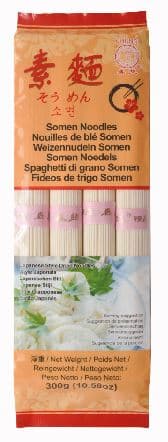
Pasta SOMEN NOODLES, 300 g
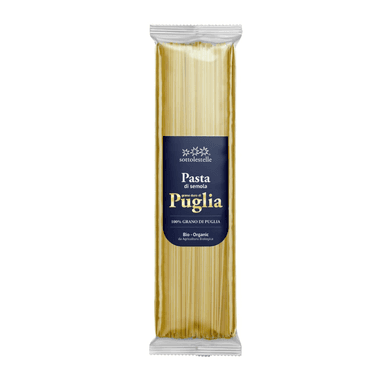
Organic spaghetti pasta

Santa Maria Rice Noodles
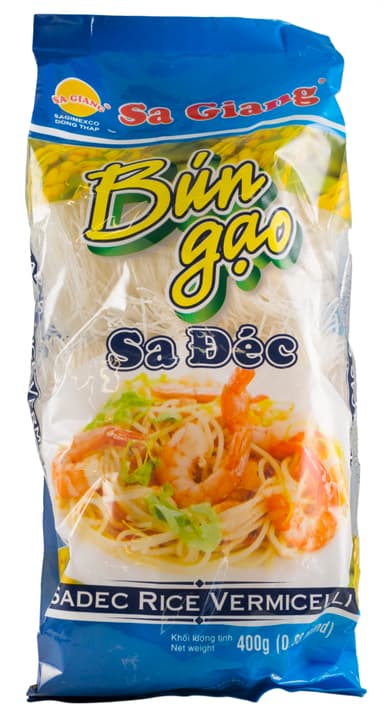
Pasta SA-GIANG, rice noodles, 400g
Organic whole grain rice pasta MAFALDE
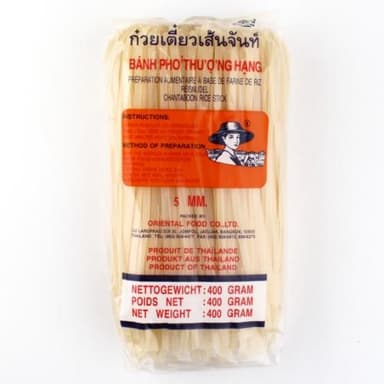
Rice noodle FARMER, 5mm, 400 g
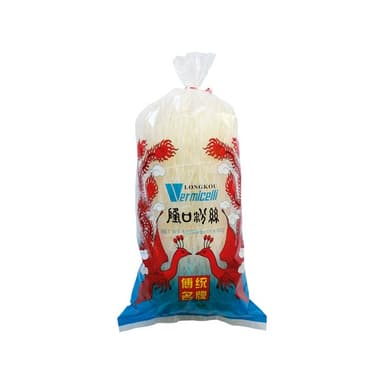
Pasta LUNGKOW, vermicelli, 500 g
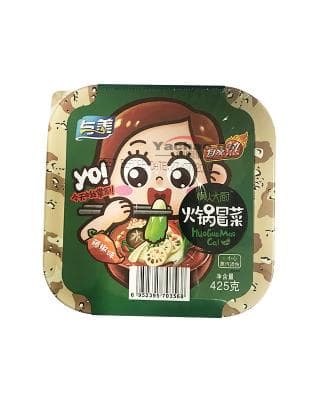
Pasta and vegetable soup Yumei Inst Veg Hot Pot Prickly Ash, very spicy, 425 g
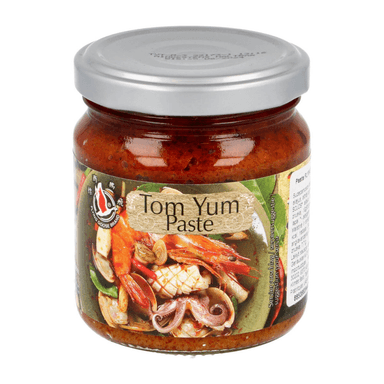
Tom Yum soup pasta
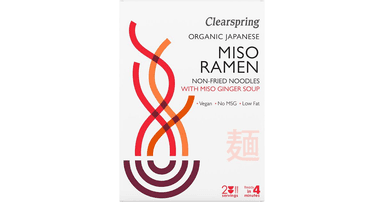
Japanese noodle soup MISO RAMEN with ginger broth, organic
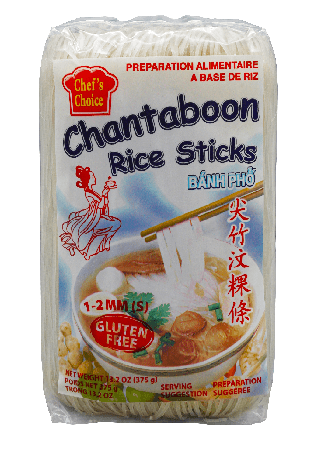
RICE STICK 1 MM 375G
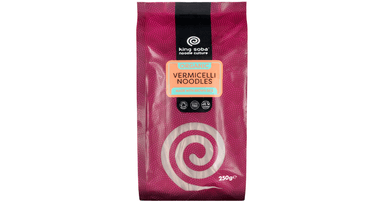
Brown rice vermicelli, organic
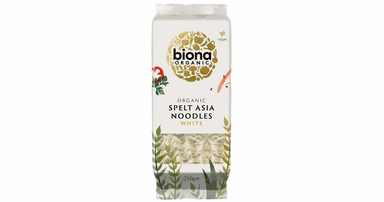
Spelt noodles ASIA NOODLES, egg-free, organic
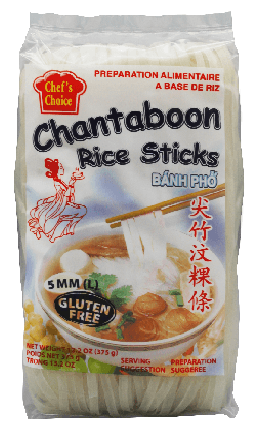
RICE STICK 5 MM 375G
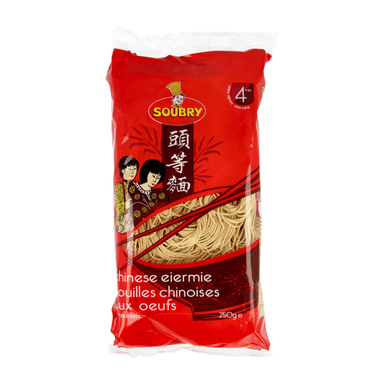
Chinese Egg Noodles SOURBY
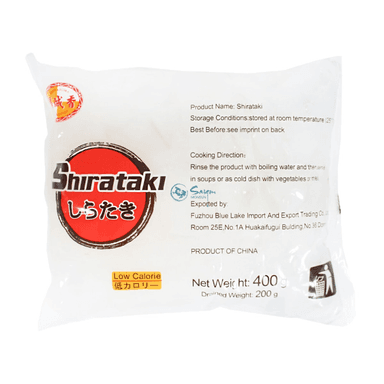
Shirataki Konjac Noodles
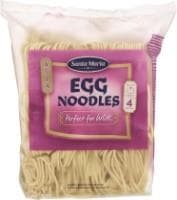
Egg Noodles SANTA MARIA Wok, 200 g

Ansung Noodle - Miso and Beef Broth

Egg Noodles
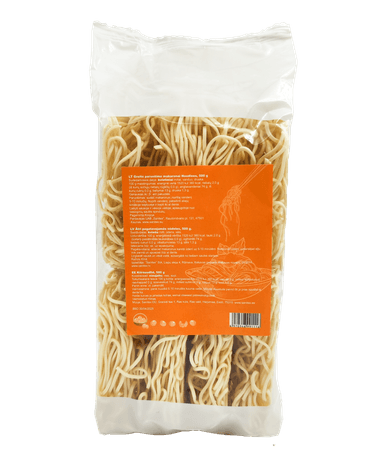
Quick cooking noodles, with egg, 500 g
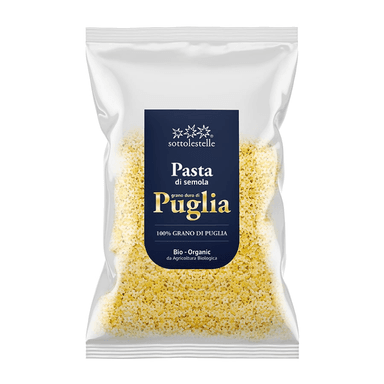
Star-shaped pasta, organic
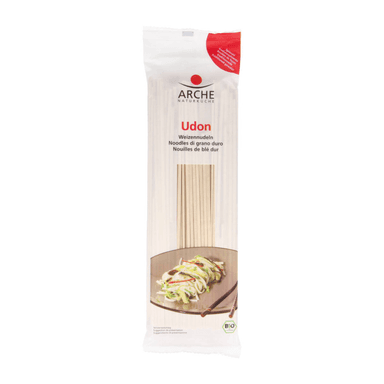
UDON noodles, organic
