
/
Grocery
/Jam creams fillings and honey
/Fillings spreads
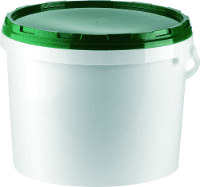
/Thermostable filling, egg liquer taste, 0159 (13) kg
Thermostable filling, egg liquer taste, 0159 (13) kg
98 people viewed this product
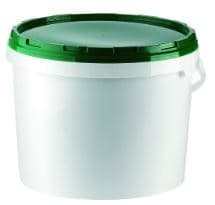
Thermostable filling, egg liquer taste, 0159 (13) kg
Unlock Full Product Analysis
Get AI-powered ingredient breakdowns, personalized health insights, and smarter food choices — all inside Telegram.
Noticed incorrect or incomplete information about this product?
Report a problem?
Similar Products
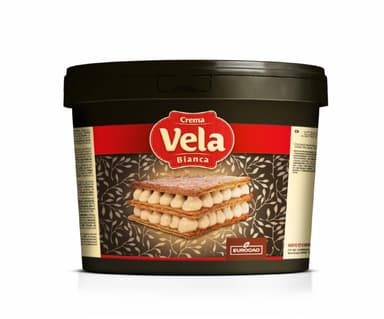
Filling NORTE, Vela Bianca, 6 kg
Sour cherry filling 60%, pitted, 6 kg
Apricot marmalade filling, 724, (13) kg
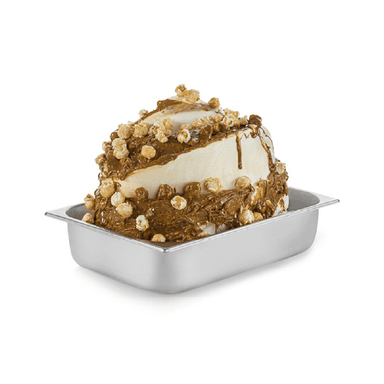
Užpildas Gusto Popcorn, 3kg
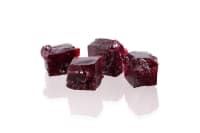
Cherry filling, with pieces, kg (6)
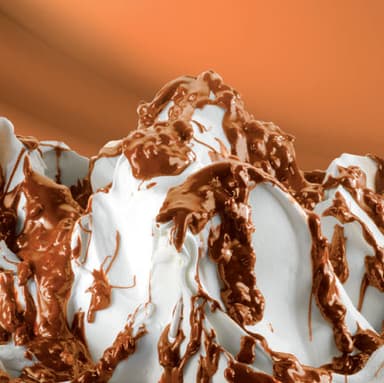
Caramel flavor cream, 2.3 kg
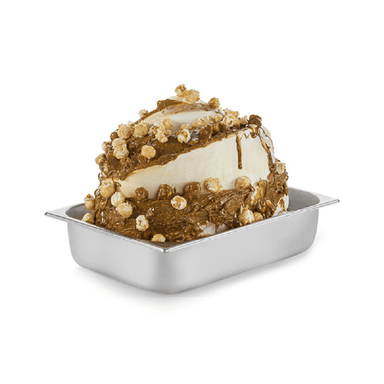
Desertinė pasta Gusto Popcorn, 3kg, MC3
Strawberry marmalade filling, 149, (13) kg
Apple filling with apple pieces, 746, (12) kg
Black currant filling, with pieces, kg (6)
Filling NORTE, Creme Brulee, 6 kg
Caramel filling SNX, 892, (13) kg
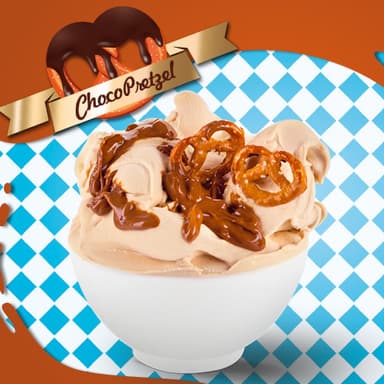
Variegato Pretzel, 2,5 kg
Apple stuffing with cinnamon, 86%, 6 kg
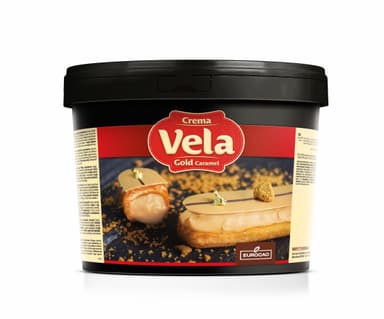
Filling NORTE, Vela Gold, 6 kg
CHERRY PASTA WITH PIECES, 3kg
Thermostable filling, egg liquer taste, 0159 (13) kg
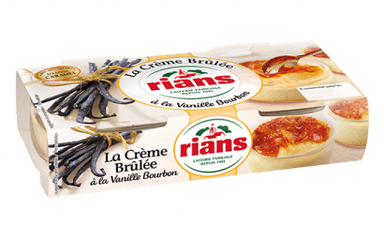
Desertas THE CRÈME BRÛLÉE
Banana filling, 50%, 6 kg
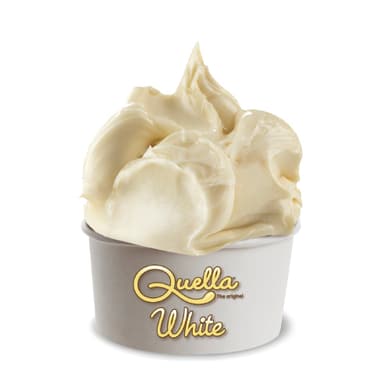
Spreadable cream MEC 3, white chocolate, 6 kg
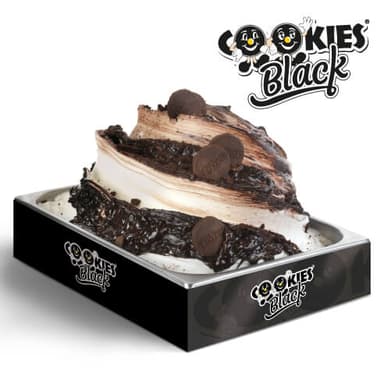
Variegato cookies black, 6kg
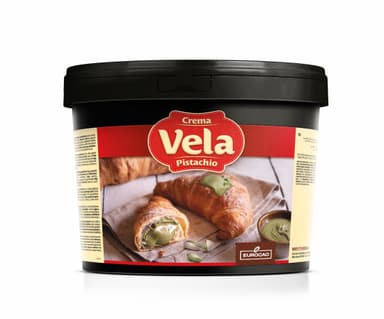
Filling NORTE, Vela Pistacchio, 6 kg
Raspberry marmalade filling, 723, (13) kg
Caramel filling, 0160, (13) kg
