

Winter Sweet Candies, 1kg
Unlock Full Product Analysis
Get AI-powered ingredient breakdowns, personalized health insights, and smarter food choices — all inside Telegram.
Noticed incorrect or incomplete information about this product?
Report a problem?
Similar Products
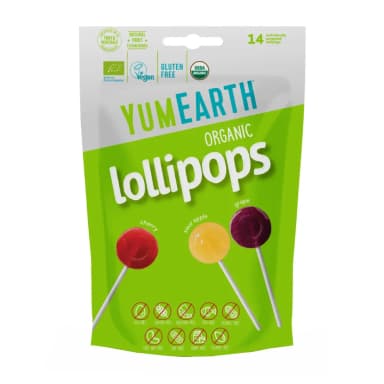
Sour lollipops on a stick, 3 flavors, organic
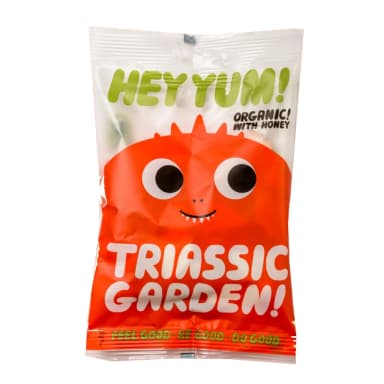
Triassic Garden Gummies, organic
MAMBA Magic Sticks, 150 g
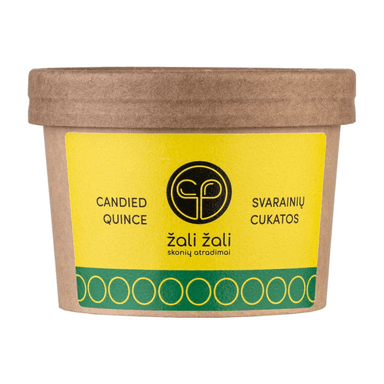
Quince candied fruit
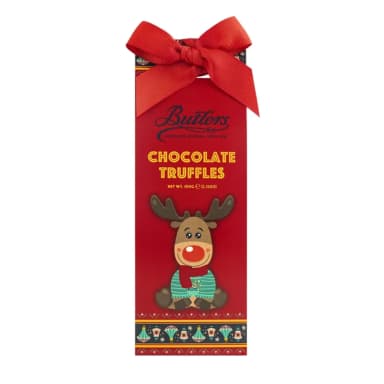
Milk chocolate truffles
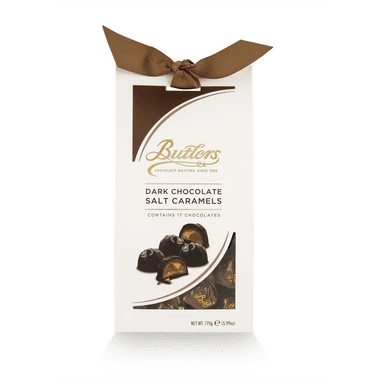
Chocolate candy assortment DARK CHOCOLATE SALT CARAMELS
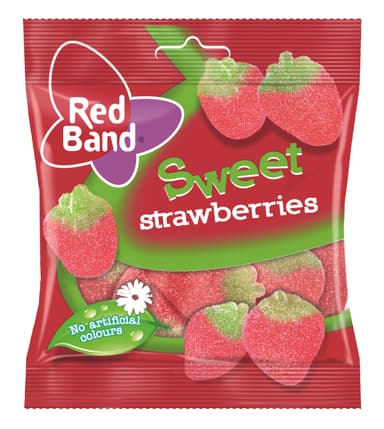
Jellys RED BAND Sweet Strawberries, 100 g

Haribo Fruity Bussi gummy candies
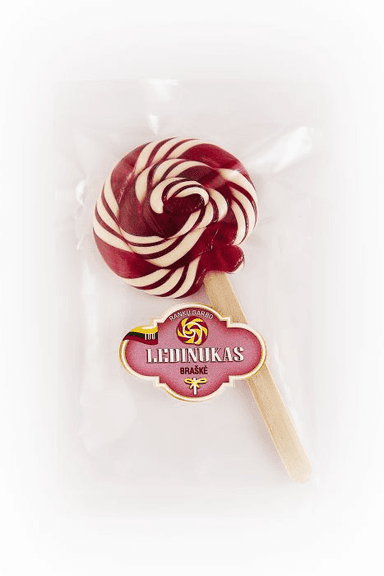
Strawberry Lollipop without sugar on a stick
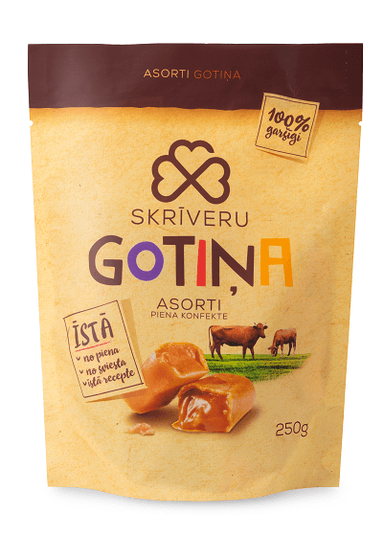
Milk Chocolate Confectionery Set COW ASSORTMENT
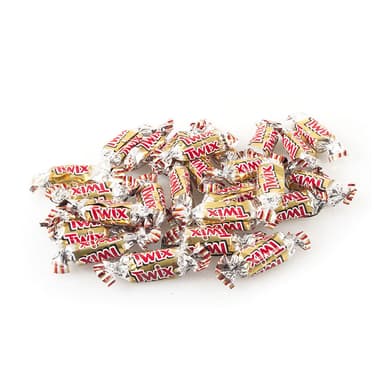
Chocolates TWIX, 2,5 kg

MENTOS MINT tablets, 38 g
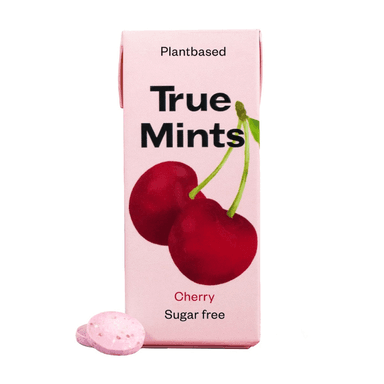
TRUE MINTS cherry-flavored candies, sugar-free
Pastilles MYNTHON Citrus Multivitamin, 34 g

Jelly Bean, 36 Flavours

Sour gummy candies (strips) MAJAI, assorted fruit flavors, 140 g
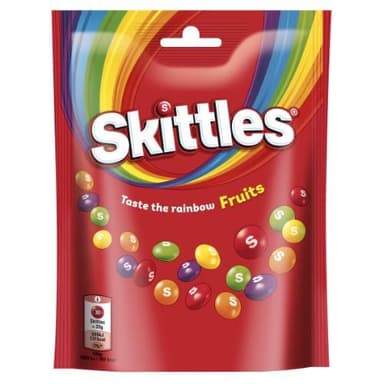
Chewing candies SKITTLES fruit flavor in crunchy sugar glaze 152g
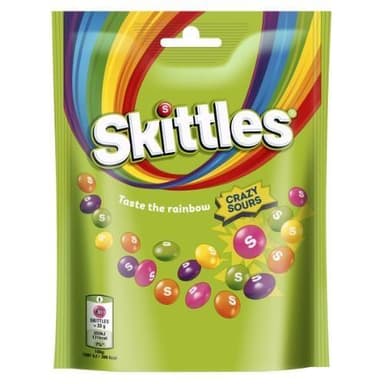
Chewing candies SKITTLES Crazy Sours sour fruit flavor in crunchy suga
Sweets TOFFIFEE, 125 g

Tutti Frutti, Gummy Candies Hearts, 15g
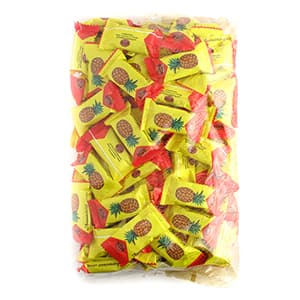
Sweets ANANASINIAI, 1 kg
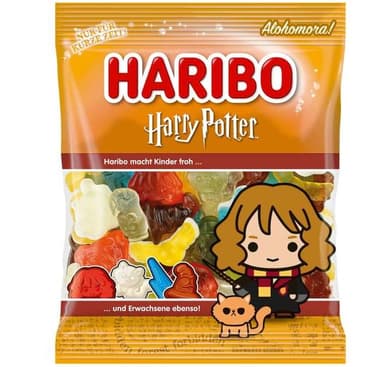
Gummies HARIBO, Ron Weasley, 160 g
Giraffe raspberry-flavored candy, organic
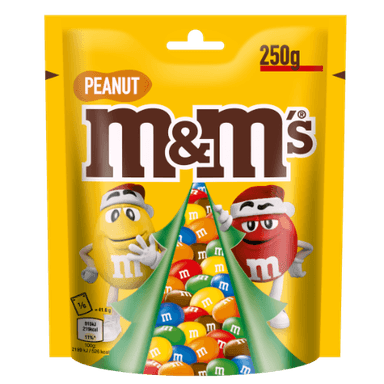
Sweets M&M's Peanut, 250 g
