
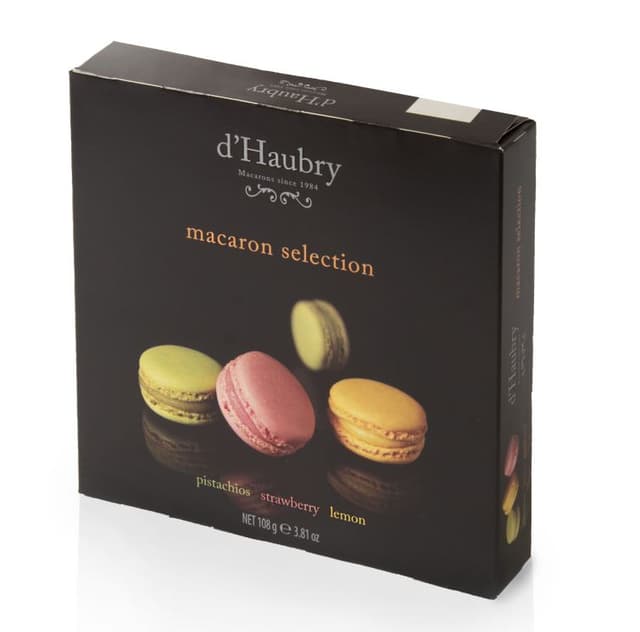
Biscuits D'HAUBRY Macaroons, pistachio, strawberry, lemon flavor, 108g
Unlock Full Product Analysis
Get AI-powered ingredient breakdowns, personalized health insights, and smarter food choices — all inside Telegram.
Noticed incorrect or incomplete information about this product?
Report a problem?
Similar Products
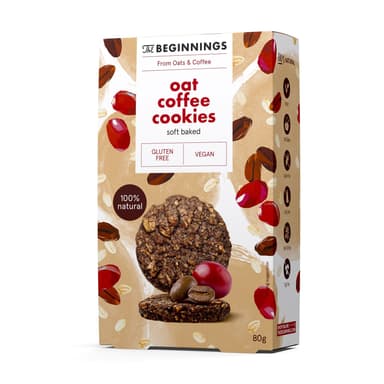
Oat biscuits THE BEGINNINGS, coffee flavor, 80 g.

Pistachio Macarons
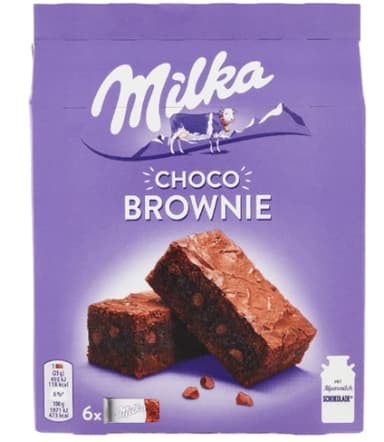
Soft cakes with chocolate MILKA Choco Brownie, 150 g
Cookies with sunflower seed paste, organic
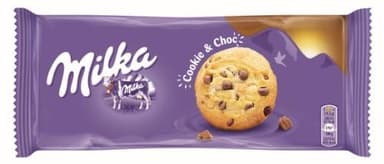
Biscuits MILKA, Choco, 135 g

Selga Classic, Biscuits with Chocolate Taste

Kuno Plaan cheese biscuit
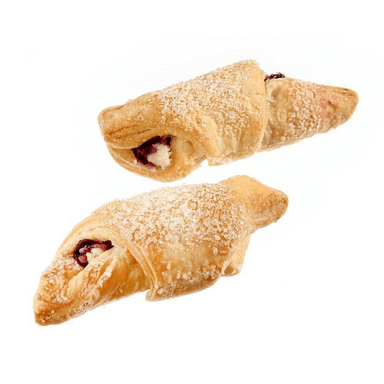
Cookies SCARVES
Biscuits Svaja, with coconut, 2 kg
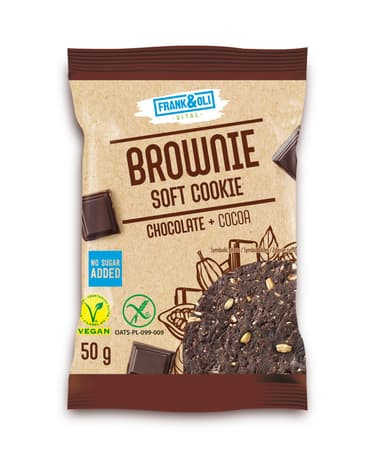
Vegan brownie cookie FRANK&OLI, with cocoa, 50g
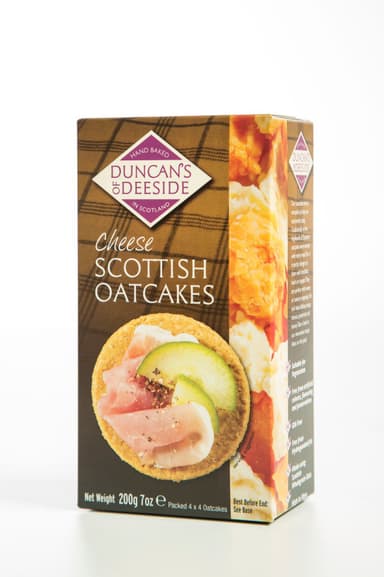
Oatcakes DUNCAN'S OF DEESIDE with cheese, 200 g
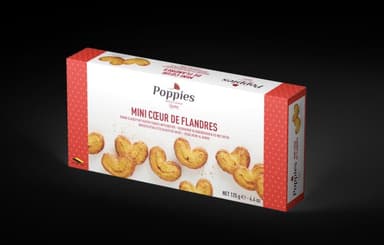
Biscuits POPPIES Mini palmiers, 125 g
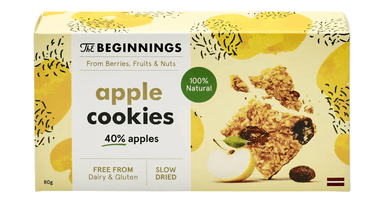
Apple cookies

Small Cookies with Marmalade
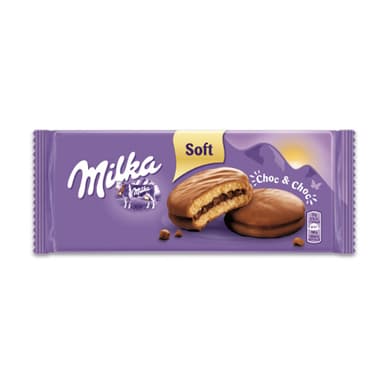
Milka Choc & Choc 150g
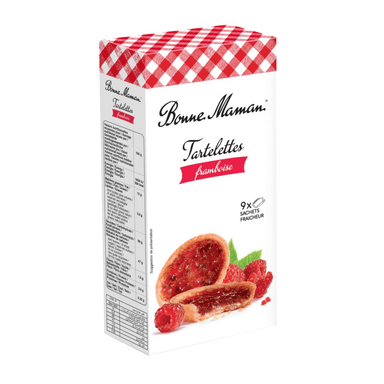
Raspberry filled cookies RASPBERRY TARTLETS
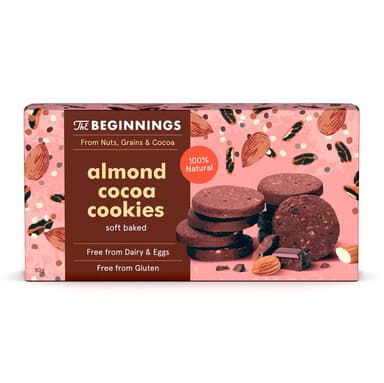
Vegan almond cookies THE BEGINNINGS, with cocoa, 80 g
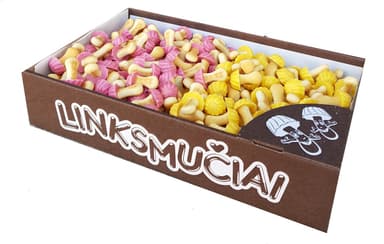
Biscuits LINKSMUČIAI, fruit taste mooshrooms, 1 kg
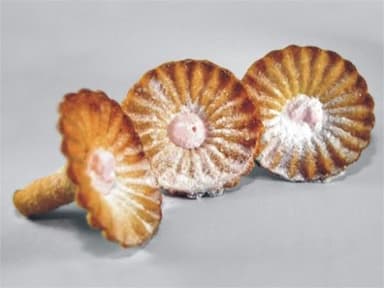
Doughnuts DAGEMA Voveraitė, 400 g
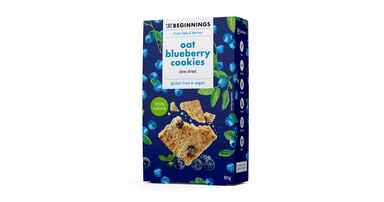
Oat and blueberry cookies
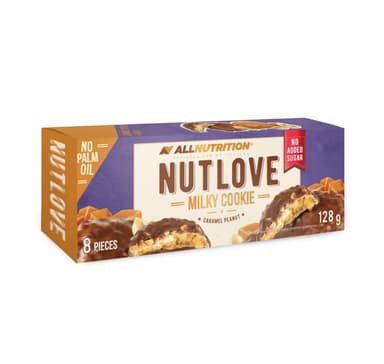
NUTLOVE MILKY COOKIE CARAMEL PEANUT 128g
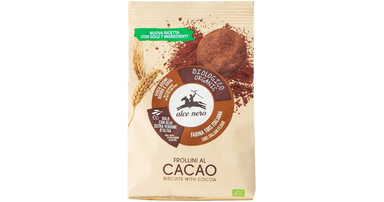
Cocoa cookies, organic

Kuno Plaan Olympic Biscuits with Nuts and Cream Filling
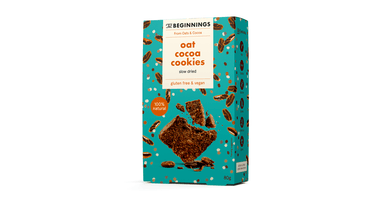
Oat and cocoa cookies
