
Breakfast cereals CHOCA, 175 g
153 people viewed this product
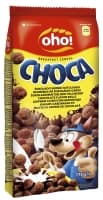
Breakfast cereals CHOCA, 175 g
Unlock Full Product Analysis
Get AI-powered ingredient breakdowns, personalized health insights, and smarter food choices — all inside Telegram.
Noticed incorrect or incomplete information about this product?
Report a problem?
Similar Products

Baltix, Millet Flakes, 500g
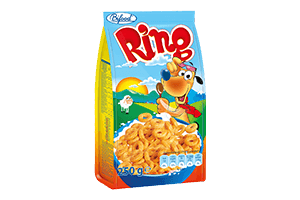
Honey-flavored rings cereal 250g
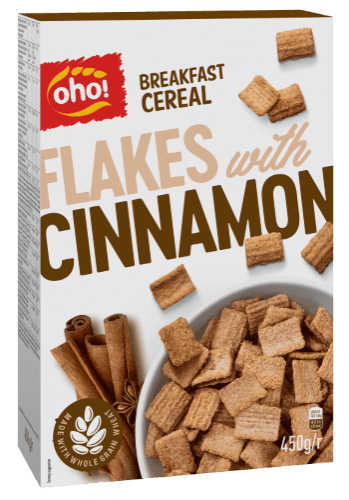
Breakfast cereal Flakes with cinnamon "Oho!" , 450 g
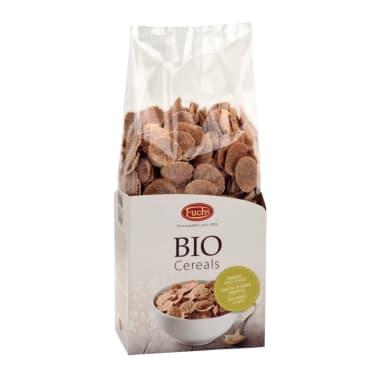
Organic Spelt Flakes BIO CEREALS
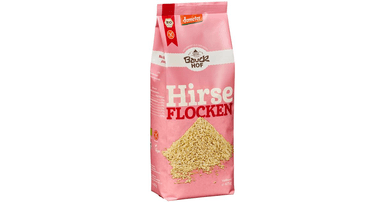
Millet flakes, gluten-free, biodynamic

Nestlé Cookie Crisp cereal with cookie flavor
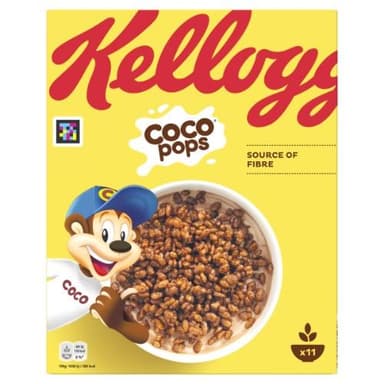
Cereals KELLOGG'S Coco Pops, 330 g

Nestlé Lion Triple Crunchy with Salted Caramel
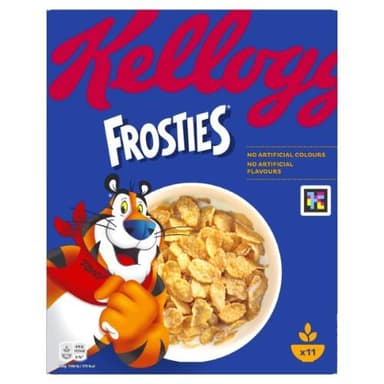
Cereals KELLOGG'S Frosties, 330 g New
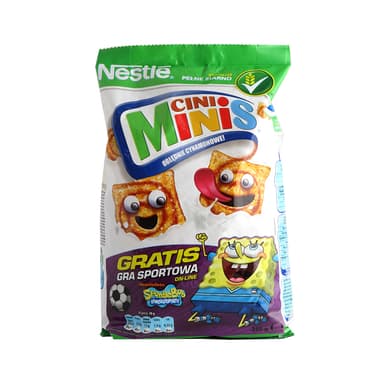
Wheat squares NESTLE Cini Minis, with cinnamon, 250 g
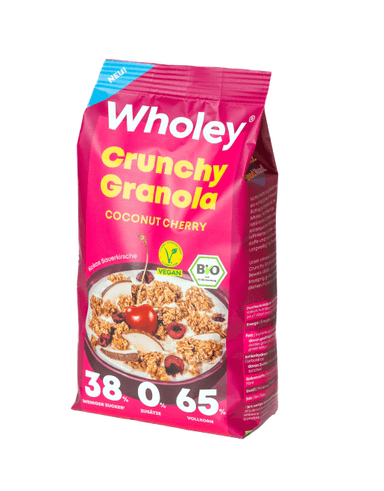
Granola WHOLEY with cherries and coconut, 300g

Nestlé Lion Caramel & Chocolate Cereal, 600 g

Nestlé Cini Minis cinnamon flavored cereal
Cocoa flakes NESTLE Nesquik, 250 g
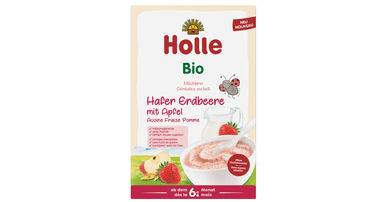
Milk-based oatmeal porridge with strawberries and apples for babies from 6 months, organic
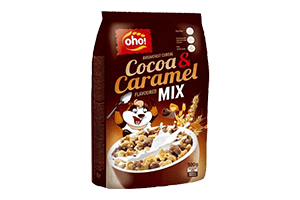
OHO CARAMEL&COCOA MIX Dry Breakfast Cereal, 500g
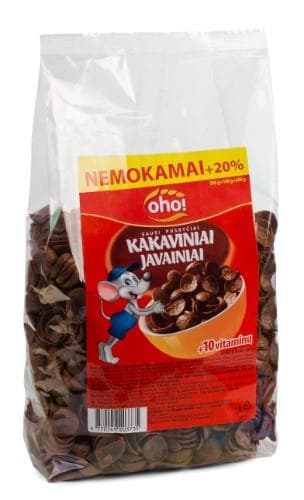
Breakfast cereal Cereals with cocoa 500g "Oho!"
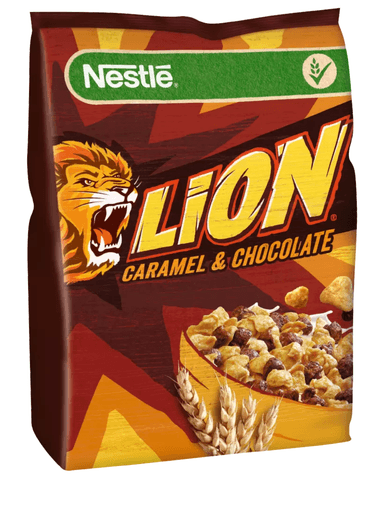
Cereal flakes NESTLE Lion, with chocolate and caramel, 450g

Sante Tropical muesli 350 g
Organic breakfast cereal with dark chocolate
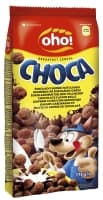
Breakfast cereals CHOCA, 175 g
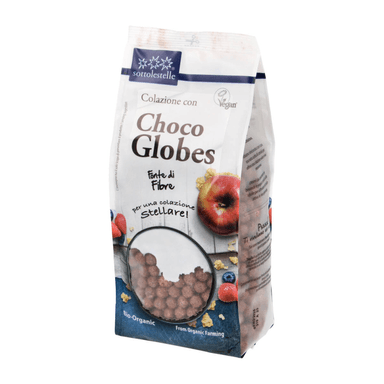
Chocolate cereal balls, organic

Muesli with 3 Types of Chocolate, Crunchy
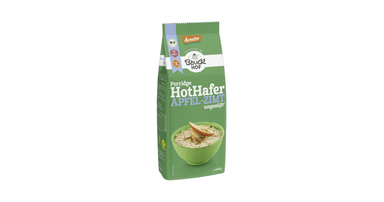
Oatmeal with apples and cinnamon, biodynamic
