
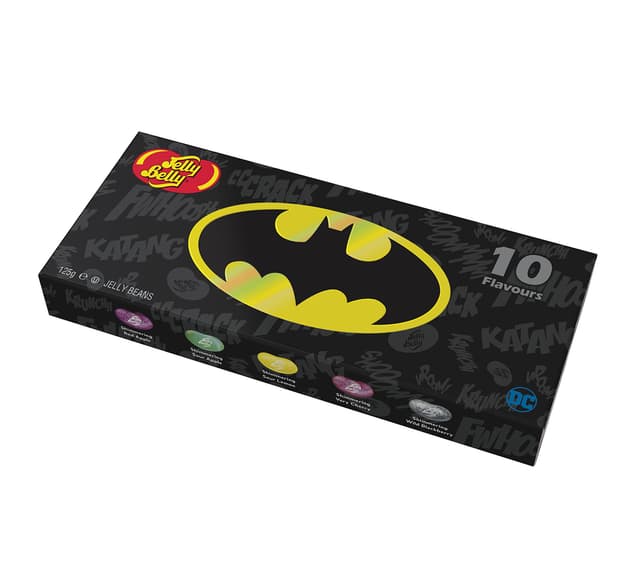
Candy JELLY BELLY Batman Gift Box, 125 g
Unlock Full Product Analysis
Get AI-powered ingredient breakdowns, personalized health insights, and smarter food choices — all inside Telegram.
Noticed incorrect or incomplete information about this product?
Report a problem?
Similar Products

Sweets TOFFEE Butter, 1 kg
Kalev Caramel with Orange Filling
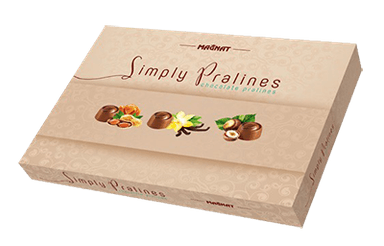
MAGNAT Christmas candies in various flavors 200g
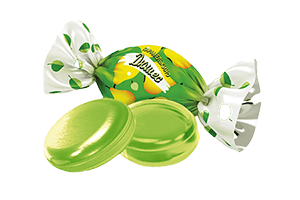
Pear-flavored caramel KARAMELKINO DIUŠES
Pineapple and coconut fruit strips
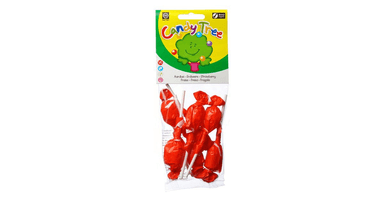
Organic strawberry-flavored lollipops
Haribo Roulette gummy candies
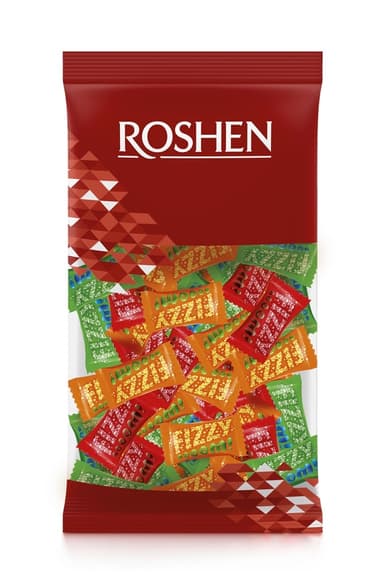
Caramel sweets ROSHEN Fizzy boom, with powder filling, 8%, 1 kg
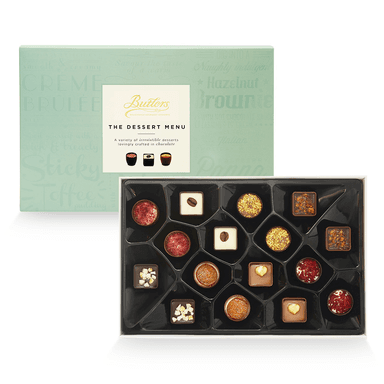
Chocolate Candy Set DESSERT MENU
Haribo Tropifrutti gummy candies
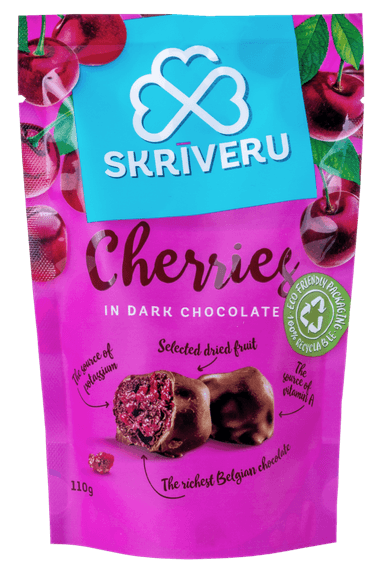
Cherries in dark chocolate SKRIVERU
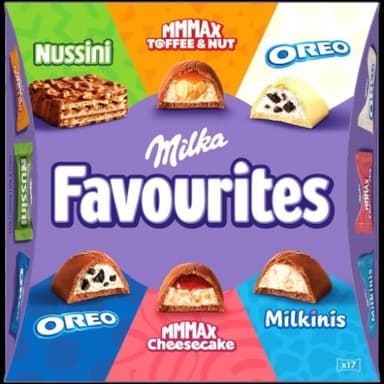
Candy box MILKA with filling set, 158 g
Kalev Classical Marzipan
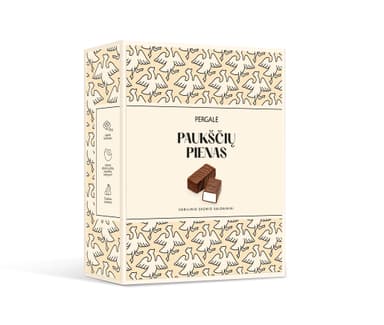
Sweets PERGALĖ, Bird's milk, 155 g

Candy KREGŽDUTĖ, 1 kg
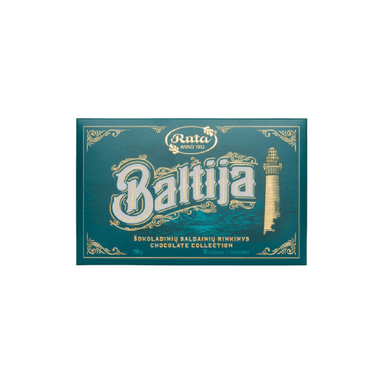
Candy set RŪTA Baltija, 195 g
Mesikäpp Mõnus Maius corn balls with toffee
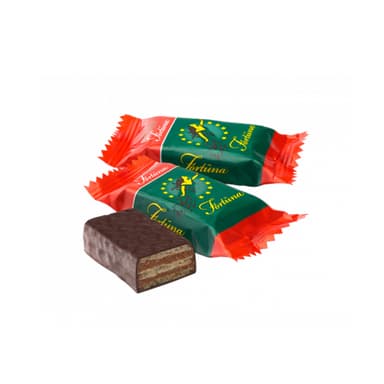
Sweets FORTŪNA, 1 kg
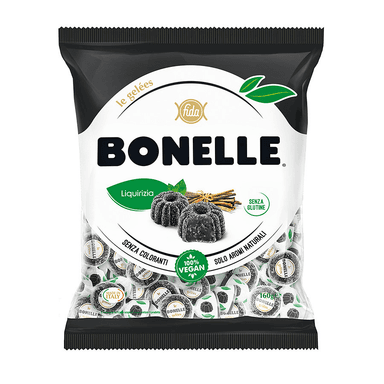
Soft licorice-flavored candies
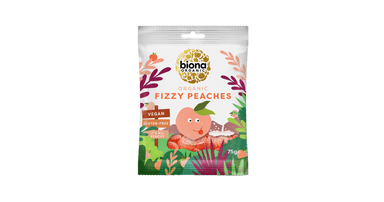
FIZZY PEACHES gummy candies, organic
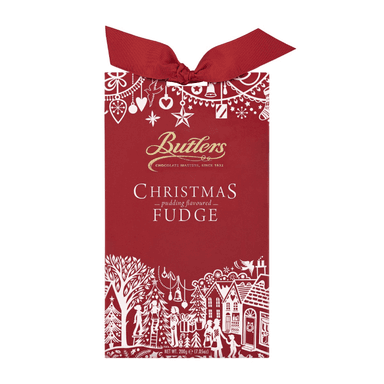
Soft Caramel CHRISTMAS FUDGE
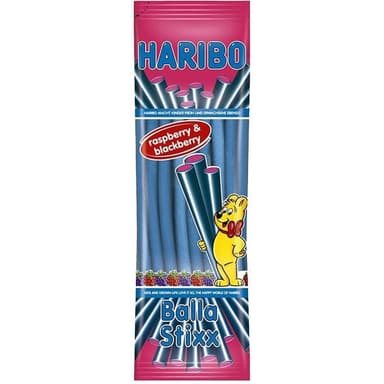
Gummies HARIBO, Balla Stixx, Himb/Bromb, 200 g
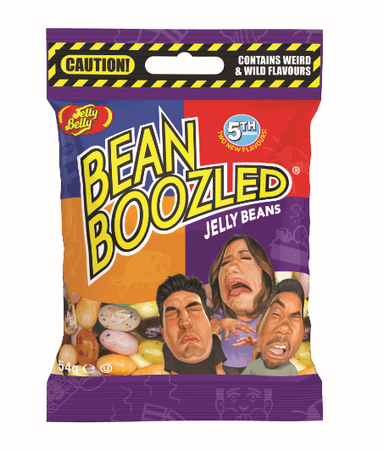
Candy JELLY BELLY Bean Boozled, 54g
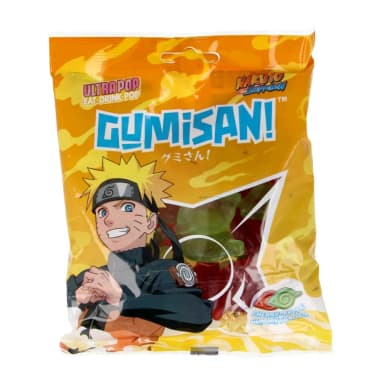
GUMISAN NARUTO apple and cherry flavored gummies
