
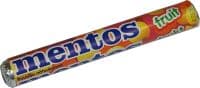
Drops MENTOS, fruit flavour, 38 g
Unlock Full Product Analysis
Get AI-powered ingredient breakdowns, personalized health insights, and smarter food choices — all inside Telegram.
Noticed incorrect or incomplete information about this product?
Report a problem?
Similar Products
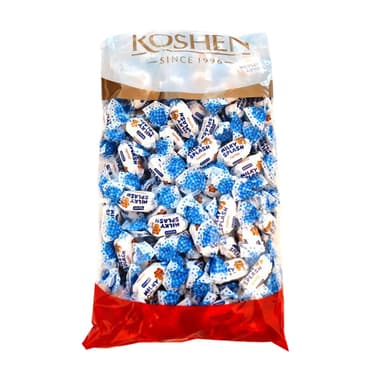
Sweets ROSHEN Milky Splash, with milk fill, 1kg

Tutti Frutti, Gummy Candies Hearts, 15g

Nerds Gummy Clusters Berries
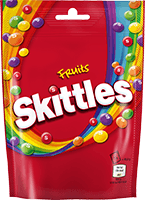
Chewy candies SKITTLES FRUIT, 174 g

NERDS RAINBOW Chewy Candy

LOCKETS EXTRA STRONG tablets, 41 g
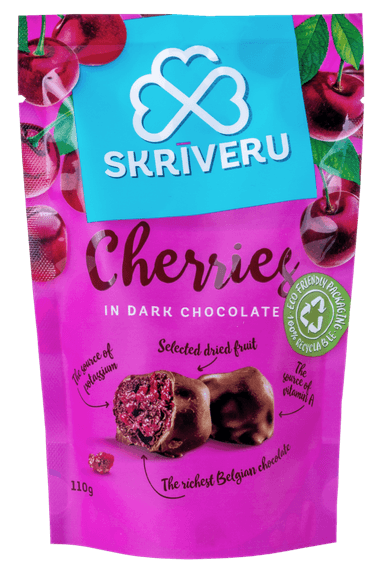
Cherries in dark chocolate SKRIVERU

Kalev Komeet

FERRERO ROCHER Chocolates (24 pcs), 300 g
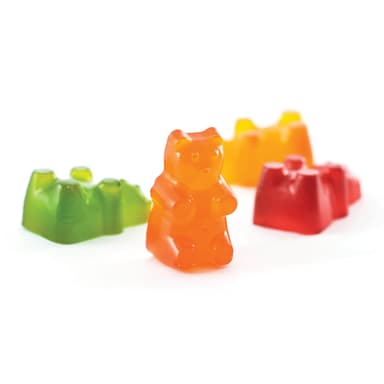
Gummies BEARS, 0,5 kg
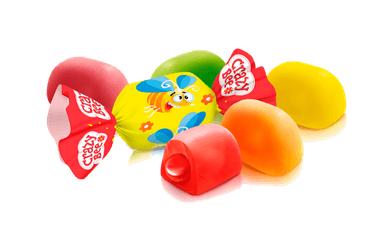
Chewy candies ROSHEN CRAZY BEE, 1 kg

Bucuria, Caramel Frutic Assortment, 190 g
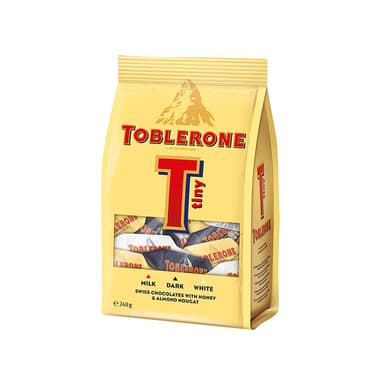
Chocolate Toblerone Variety, 248g
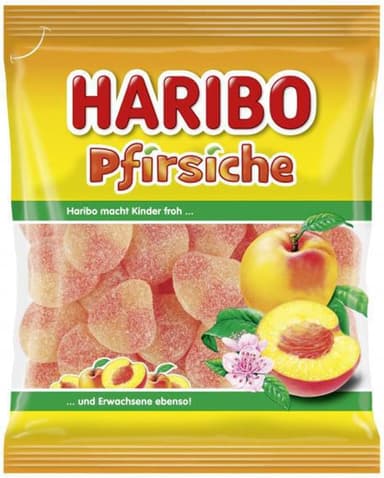
Gummies HARIBO, Pfirsiche, 175 g

Chocolate sweets LAIMA Vilnius, with liqueurs, 180 g
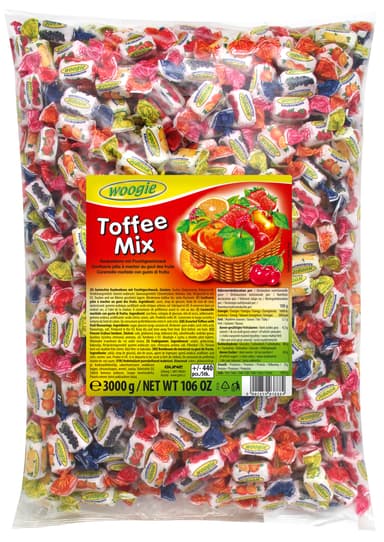
Candies WOOGIE, Toffee mix, 3 kg
Chocolate collection CHOCO PARTY Best Wishes, 75 g
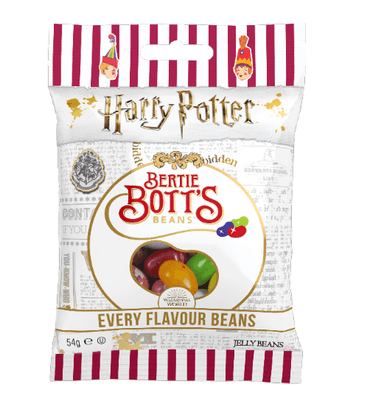
Candy JELLY BELLY Harry Potter Bertie Bott's, 54 g
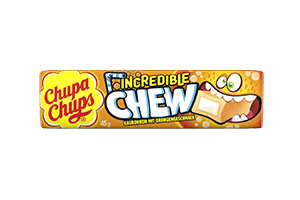
Chewy candies CHUPA CHUPS ORANGE 45g
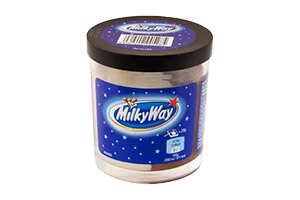
Spreadable chocolate cream MILKY WAY 200g
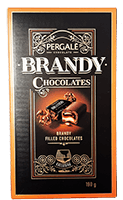
Chocolate candies with PERGALĖ BRANDY, 190 g
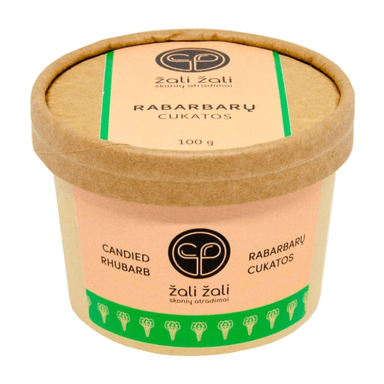
Rhubarb candied fruits
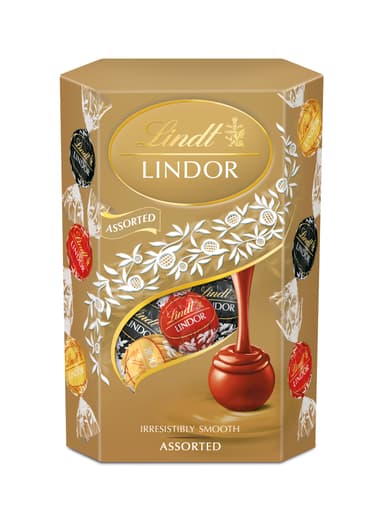
LINDT LINDOR various types of chocolate balls, 200g

Skittles Fruits candies
