
Frozen Pancakes with ham and cheese 60x80g
102 people viewed this product
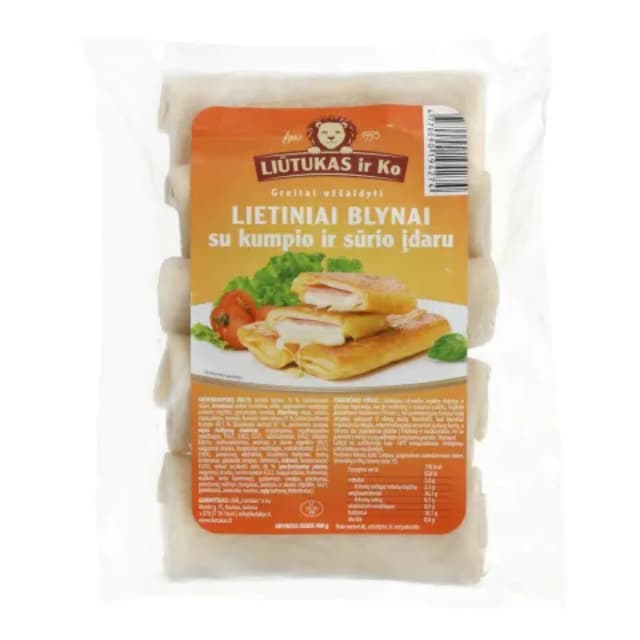
Frozen Pancakes with ham and cheese 60x80g
Unlock Full Product Analysis
Get AI-powered ingredient breakdowns, personalized health insights, and smarter food choices — all inside Telegram.
Noticed incorrect or incomplete information about this product?
Report a problem?
Similar Products
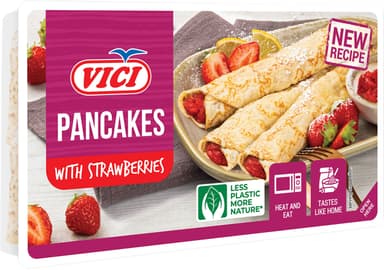
Frozen pancakes VIČI, with strawberry filling, 280g
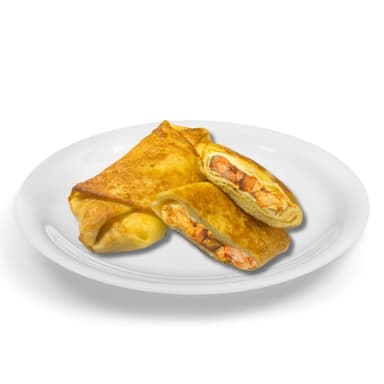
Frozen pancakes with apples, "Cinnamoni", premium, 100 g
Žemaitian pancakes with meat filling, 400 g
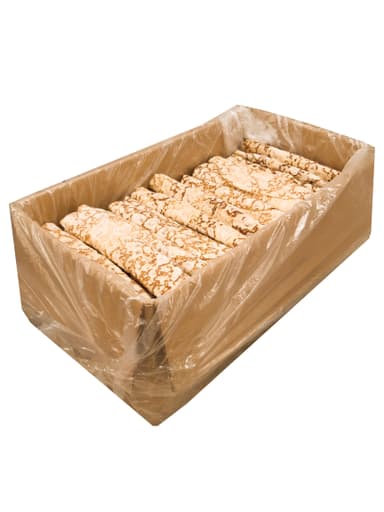
Frozen pancakes VIČI, with meat filling, 70x70g
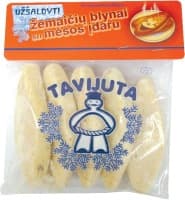
Frozen Zemaiciu pancakes with meat TAVIJUTA, 450 g
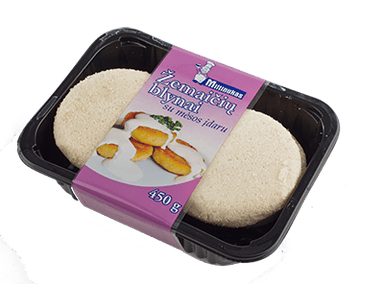
Samogitian pancakes with meat filling, 450 g
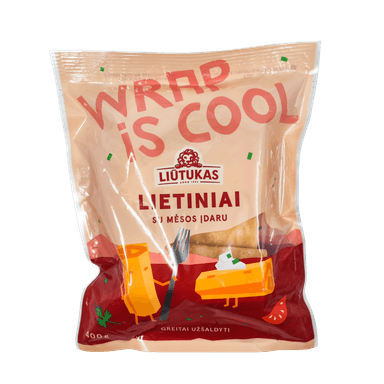
Frozen pancakes with meat, 400 g
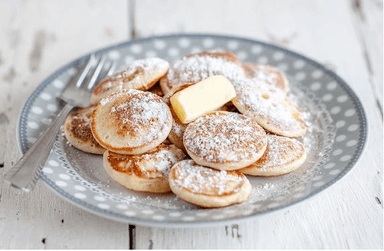
American mini pancakes, FROZEN, 500g
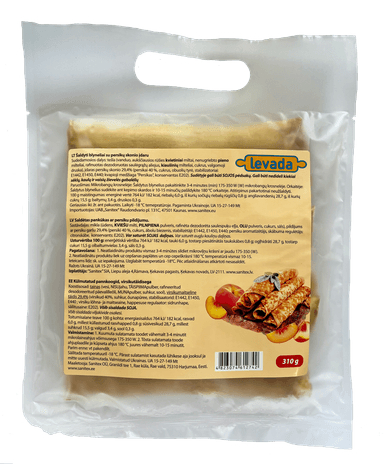
Frozen pancakes LEVADA with peach, 52g x 6 pcs
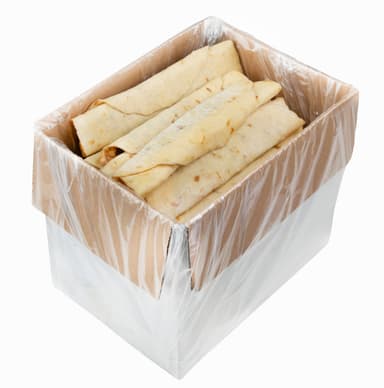
Frozen molded pancakes VIČI, with chocolate filling,30x85g
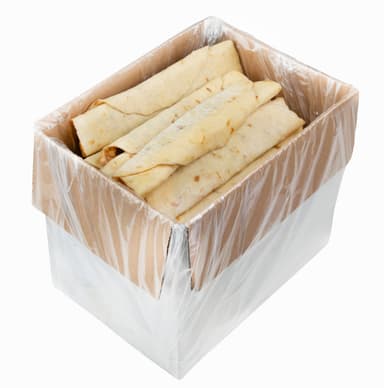
Frozen molded pancakes VIČI, with caramel filling, 30x85g
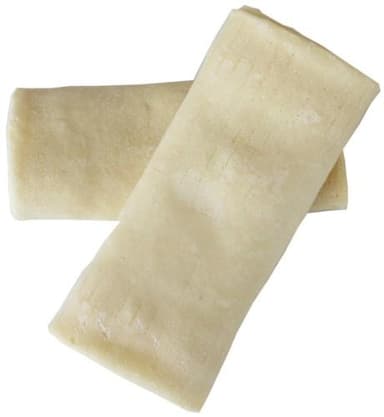
Pancakes, with meat, 26 x 130 g, 3.38 kg
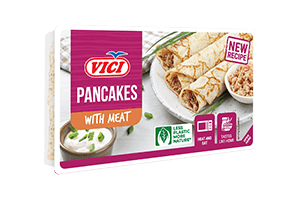
VIČI pancakes with meat filling 280g
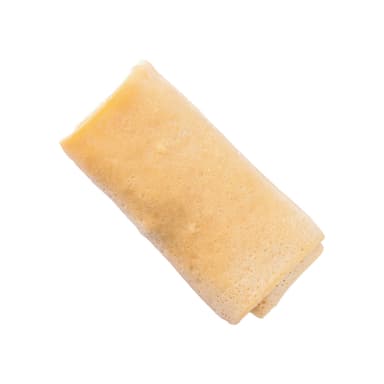
Pancakes with curd, 120 x 100 g, 12kg

Banana-Curd Pancakes
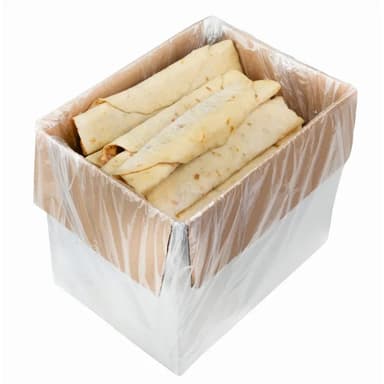
Frozen pancakes VIČI, with apple and cinnamon filling, 70x70g

Pancakes with cheese and ham

Mamma, Curd cheese pancakes, 200g
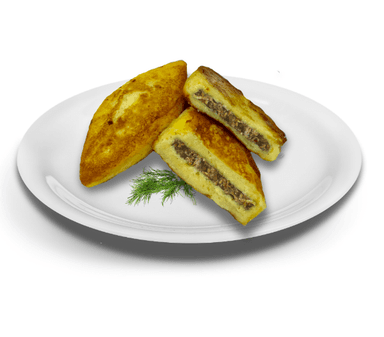
Frozen Žemaica pancakes with mushroom filling, 170g x 40 pcs
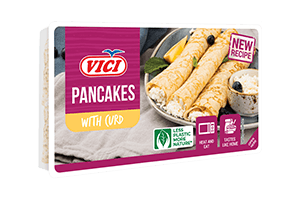
Cottage Cheese Filled Pancakes VIČI 280g
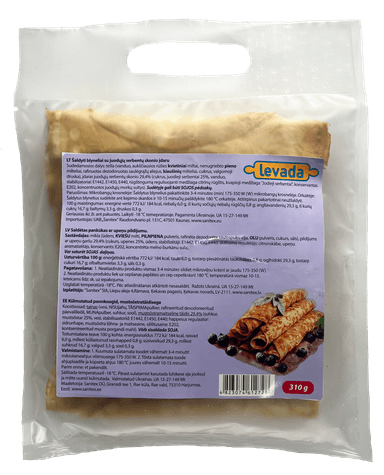
Frozen pancakes LEVADA with black currants, 52g x 6 pcs
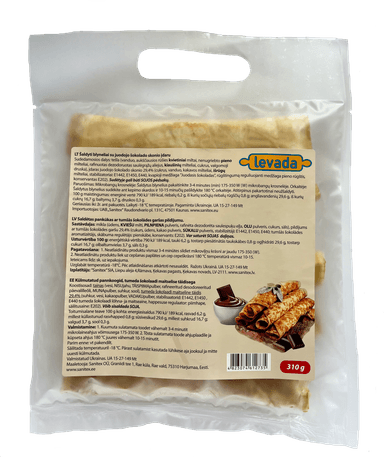
Frozen pancakes LEVADA with Black chocolate, 52g x 6 pcs
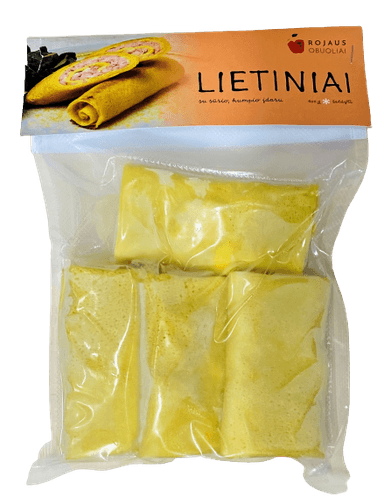
Crispy pancakes with cheese and ham, 4 pcs, frozen
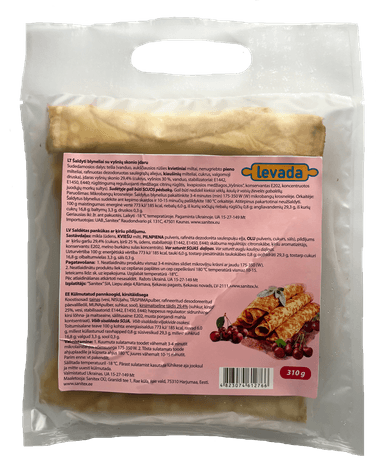
Frozen pancakes LEVADA with cherries, 52g x 6 pcs
