
Honey wheat OHO, 500 g
134 people viewed this product
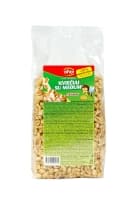
Honey wheat OHO, 500 g
Unlock Full Product Analysis
Get AI-powered ingredient breakdowns, personalized health insights, and smarter food choices — all inside Telegram.
Noticed incorrect or incomplete information about this product?
Report a problem?
Similar Products
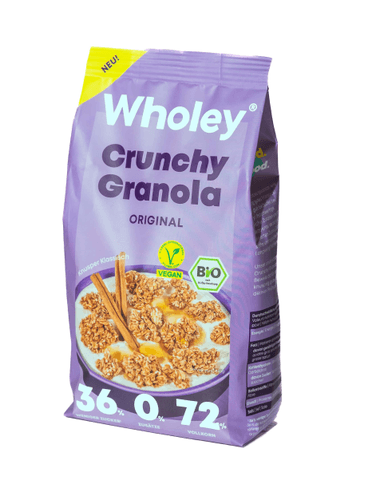
Granola WHOLEY, Original, 300g
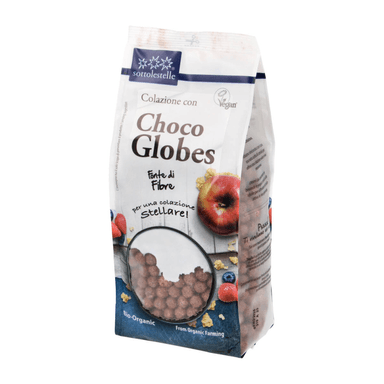
Chocolate cereal balls, organic
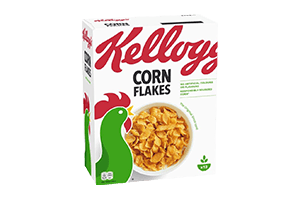
KELLOGG'S CORN FLAKES 375g

Oho, Breakfast Three Friends, 150 g
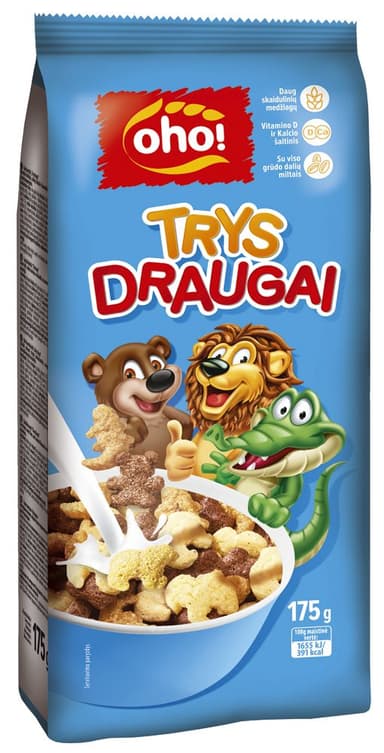
Breakfast cereals TRYS DRAUGAI, 175 g
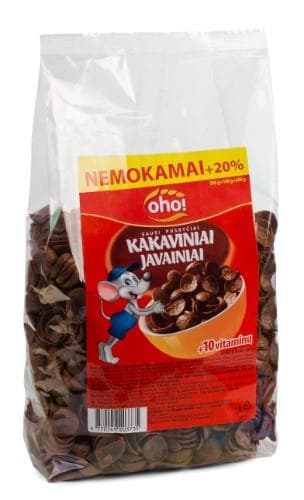
Breakfast cereal Cereals with cocoa 500g "Oho!"
Honey wheat OHO, 500 g
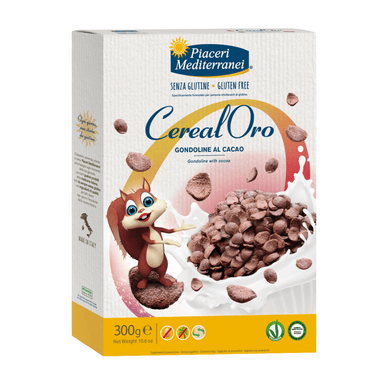
Cocoa Breakfast Cereals GONDOLINE AL CACAO
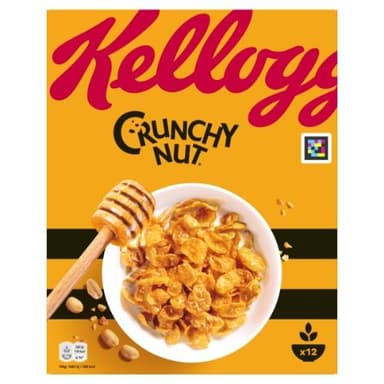
KELLOGG'S Crunchy and Nut, 375g
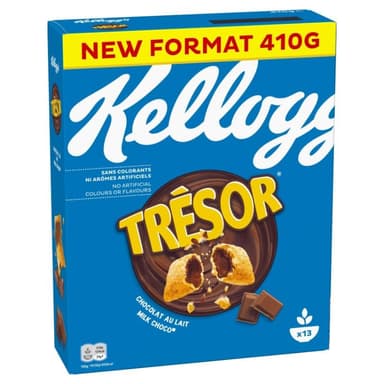
Cereals KELLOGG'S Tresor Milk Choco 410g

Nestlé Lion Caramel & Chocolate Breakfast Cereal
KELLOGS FROOT LOOPS cereal, 375g
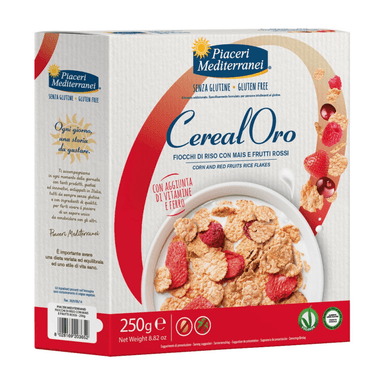
CEREAL ORO dry breakfasts with red berries

Four Grain Flakes Wholegrain
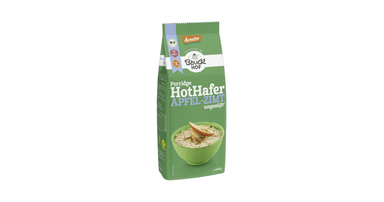
Oatmeal with apples and cinnamon, biodynamic

Sante, Crunchy Fruit Cereal, 350 g
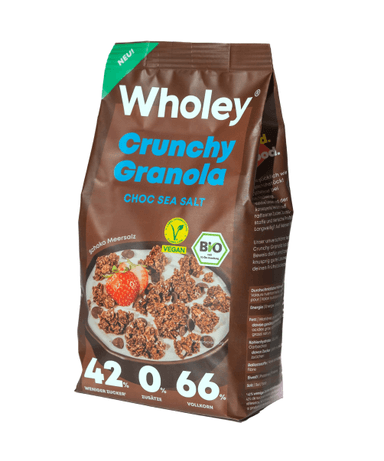
Granola, WHOLEY, with chocolate and sea salt, 300g
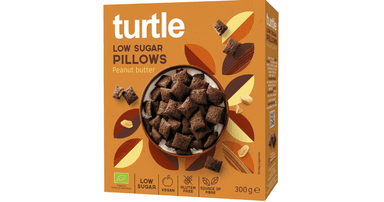
Organic breakfast cereals with peanut butter
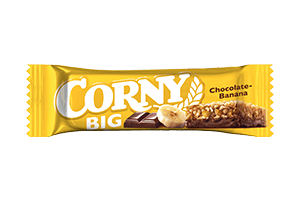
CORNY BIG Chocolate and Banana Flavored Bar, 50 g
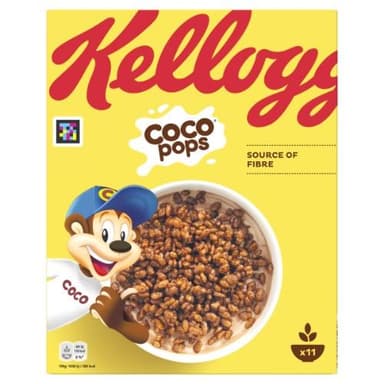
Cereals KELLOGG'S Coco Pops, 330 g

Sante, Crunchy muesli with banana and chocolate, 350g
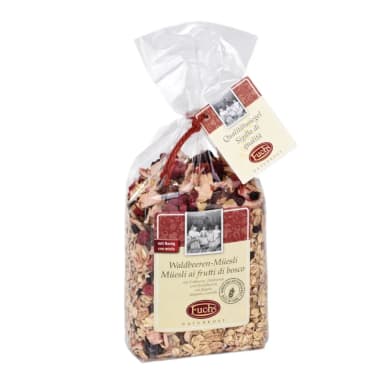
Crunchy Flakes with Forest Berries and Honey WALDBEEREN-MUESLI
Milk porridge with raspberries and bananas for babies from 6 months, organic 200 g

Oho Cookie Rings
