
/
Meat fish and culinary preparation
/Meat products
/Meat products
/Hot-smoked pork fillet PANEVEZIO, ~350 g
Hot-smoked pork fillet PANEVEZIO, ~350 g
146 people viewed this product
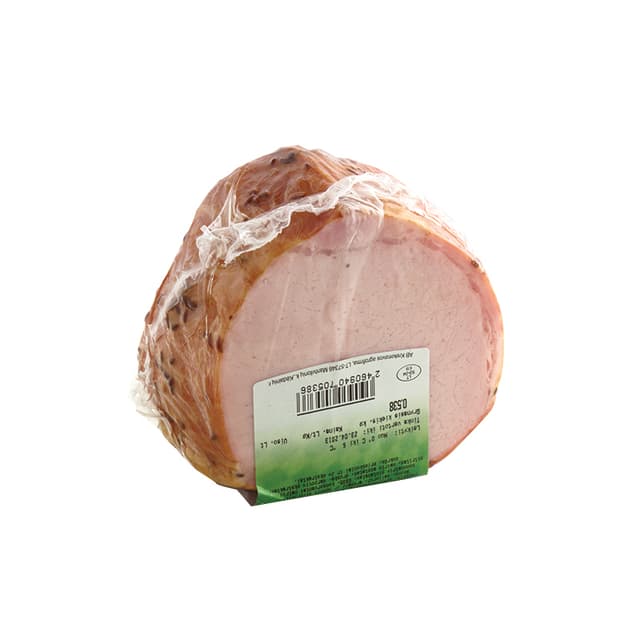
Hot-smoked pork fillet PANEVEZIO, ~350 g
Unlock Full Product Analysis
Get AI-powered ingredient breakdowns, personalized health insights, and smarter food choices — all inside Telegram.
Noticed incorrect or incomplete information about this product?
Report a problem?
Similar Products

Maks&Moorits, Thin pork outside fillet, 400g
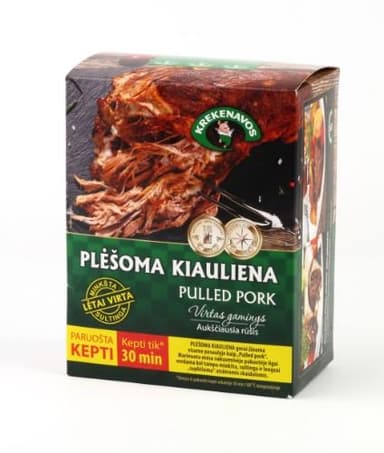
Cooked pork product, looted pork, in vacuum, ~0,95 kg

Hot smoked beef ham, sliced, ~1.5 kg
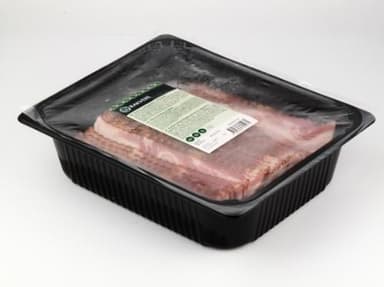
Hot smoked bacon, sliced,~ 2,45 kg
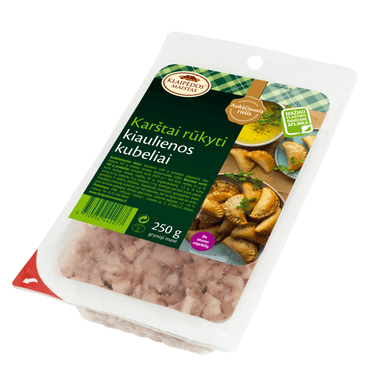
Hot smoked pork cubes, highest species, 250g
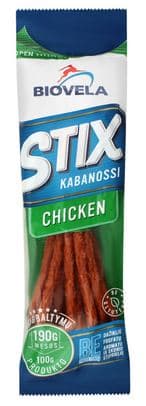
Hot smoked chicken KABANOSSI sticks, a r., 100 g
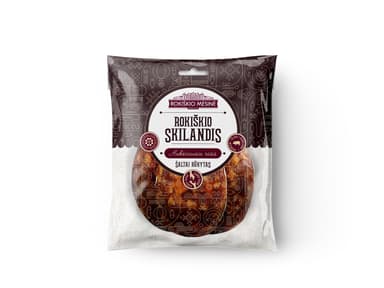
Cold smoked skilandis ROKIŠKIO, national heritage, a.r., ~900g
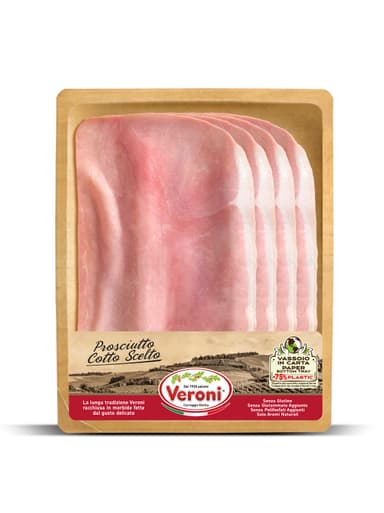
Cooked ham in slices PROSCIUTTO COTTO , calibrated weight 110 g
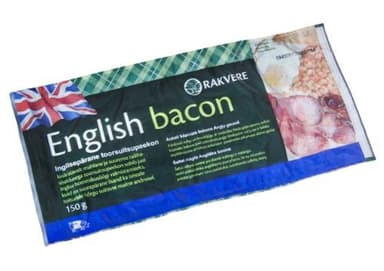
Cold smoked bacon ANGLIŠKA, sliced, 150 g
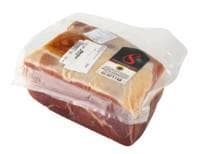
Cured ham JAMON SERRANO CONSORCIO, extra, ~2,255 kg
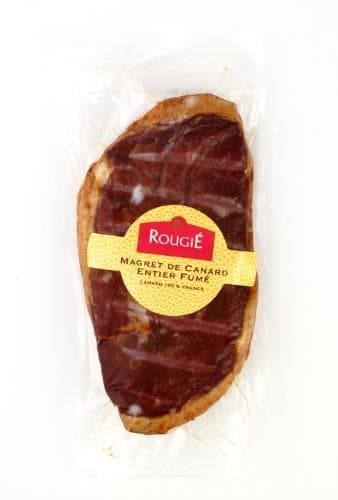
Hot-smoked duck breast, ~300g
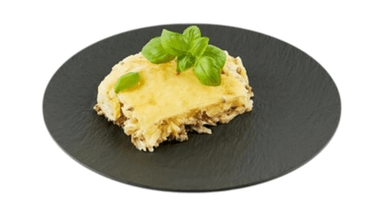
Stockmann Delicatessen Potato and Ground Meat Loaf

Breaded Chicken Inner Fille, 350g

Panevėžys hot-smoked fillet, 1 kg
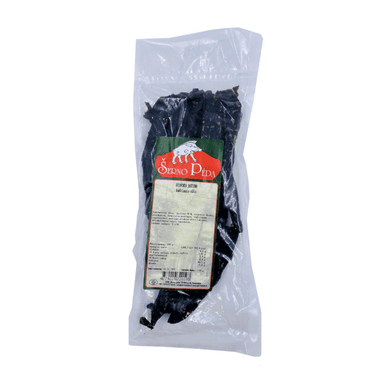
Dried beef
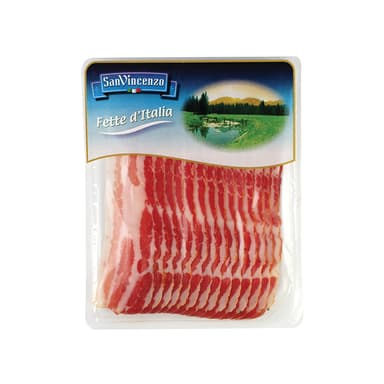
Tense mild bacon PACETTA, sliced, 200 g
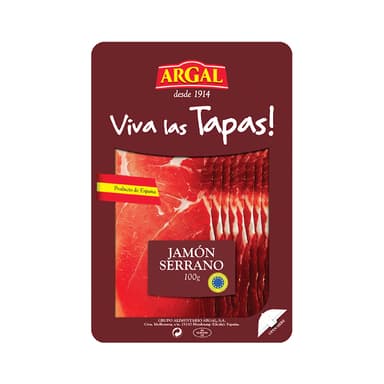
Dried ham SERRANO, Vivas Las Tapas, 80g
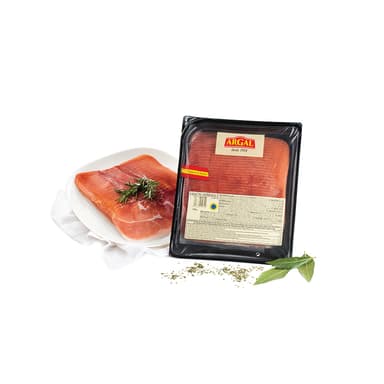
Dried ham JAMON SERANNO, extra, 300 g

Rakvere Snäkk Traditional Beef Jerky
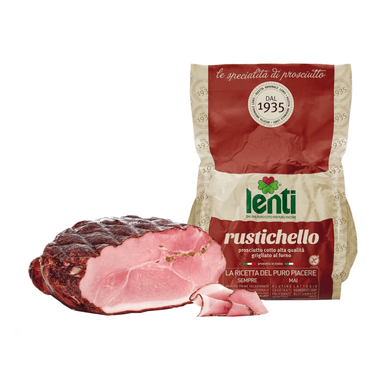
Cooked and cured pork ham PROSCIUTTO RUSTICHELLO
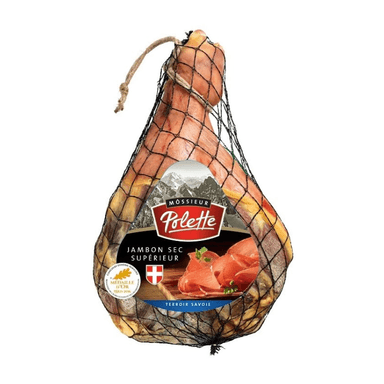
Dried pork ham SEC SUPERIEUR TERROIR SAVOIE
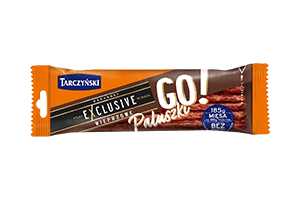
Hot smoked poultry sausages with pork KABANOS 50g
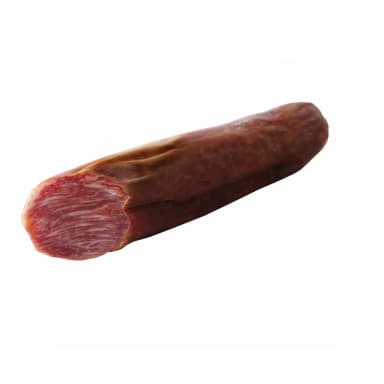
Cured pork loin IBERICO DE CEBO DE CAMPO
Smoked pork flank RAGNOS, ~2,5 kg
