
/
Grocery
/Cooking additives
/Gelatin kissels puddings dry desserts
/Layered jelly KLINGAI, mango flavor 80 g
Layered jelly KLINGAI, mango flavor 80 g
100 people viewed this product
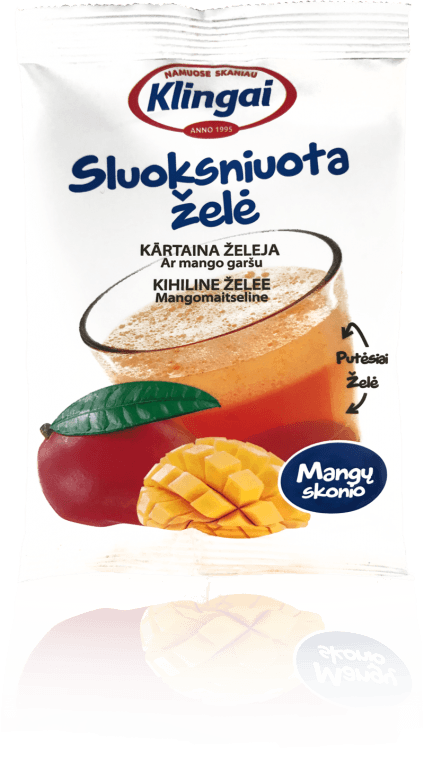
Layered jelly KLINGAI, mango flavor 80 g
Unlock Full Product Analysis
Get AI-powered ingredient breakdowns, personalized health insights, and smarter food choices — all inside Telegram.
Noticed incorrect or incomplete information about this product?
Report a problem?
Similar Products
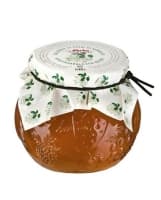
Elderberry jam "D'ARBO", 640 g
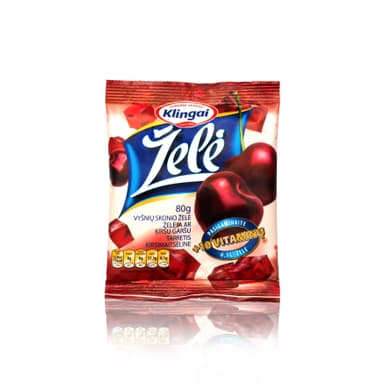
Jelly KLINGAI, cherry, 80 g
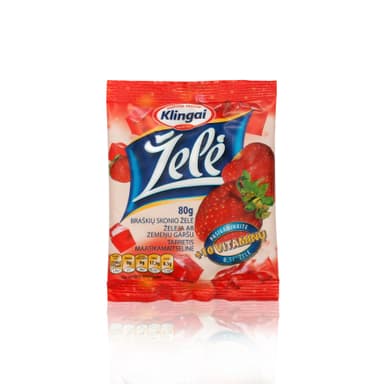
Jelly KLINGAI, strawberry flavour, 80 g
Jelly, raspberry taste, 1 kg

Mikaado, Wild strawberry flavored jelly powder, 80g
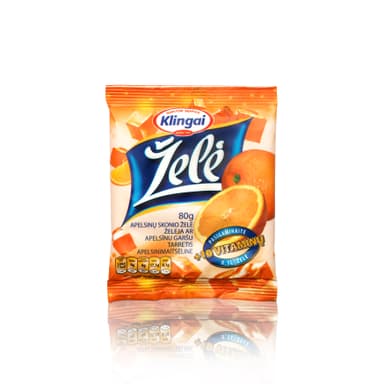
Jelly KLINGAI, orange, 80 g
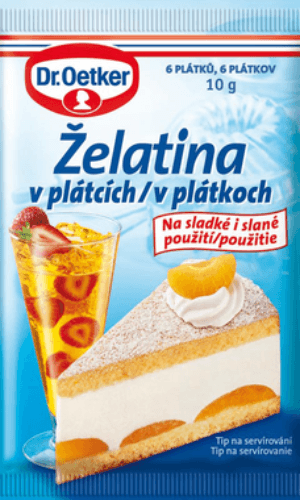
Gelatin leaflets DR. OETKER,10g
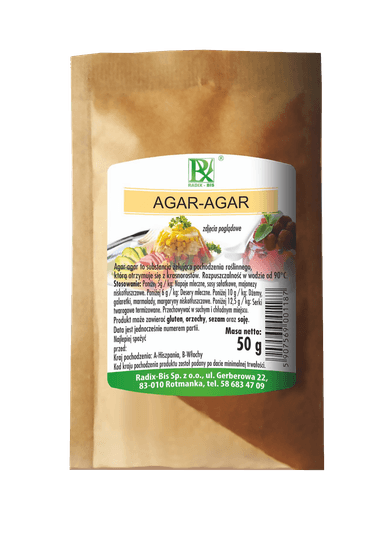
Gelatin replacement AGARAS, 50 g
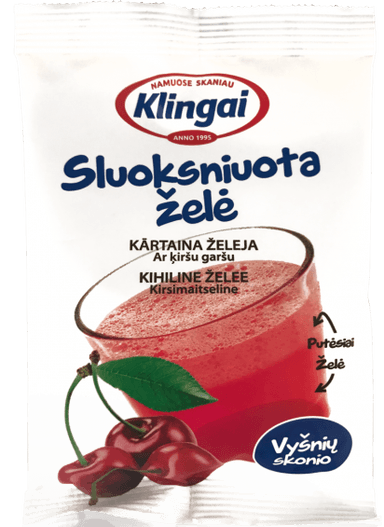
Layered jelly KLINGAI, cherry flavor, 80g
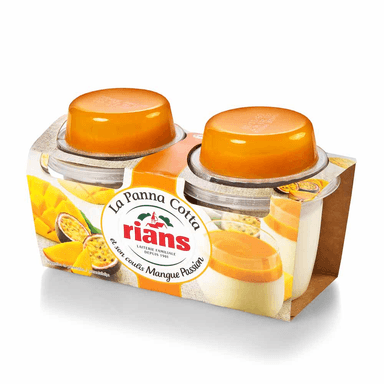
Dessert LA PANNA COTTA with mango and passion fruit puree
Cranberry flavored kissel, 85 g

Edible gelatin, 100bl, 1 kg
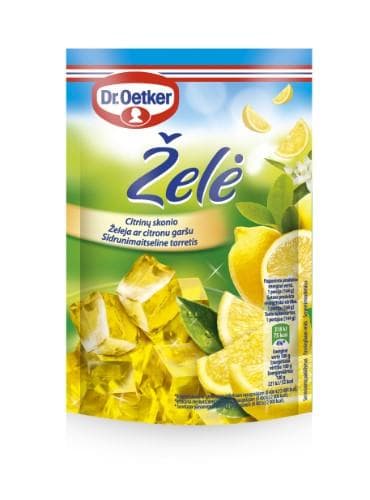
Jelly DR.OETKER, lemon flavour 72 g
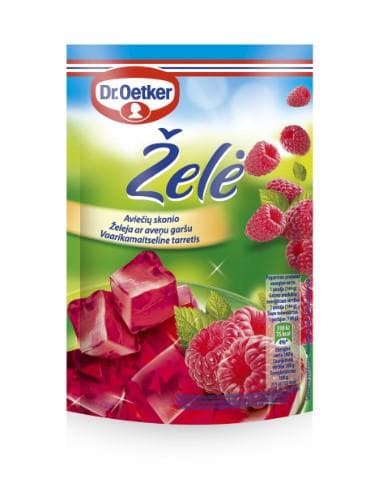
Jelly DR.OETKER raspberry flavour , 72 g

Mikaado, Raspberry flavored jelly powder Miku
Lemon-flavored jelly, 90 g
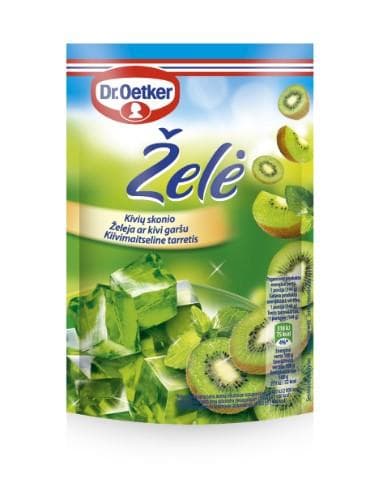
Jelly DR.OETKER, kiwi flavour 72 g
Jelly KLINGAI, cherry, 1 kg
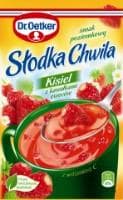
Wild strawberry kissel with fruit DR. OETKER, 31,5 g
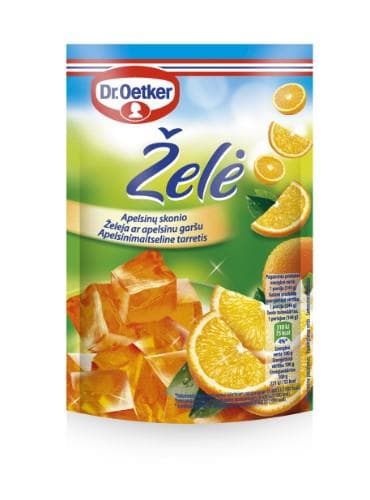
Jelly DR.OETKER, orange flavour, 72 g
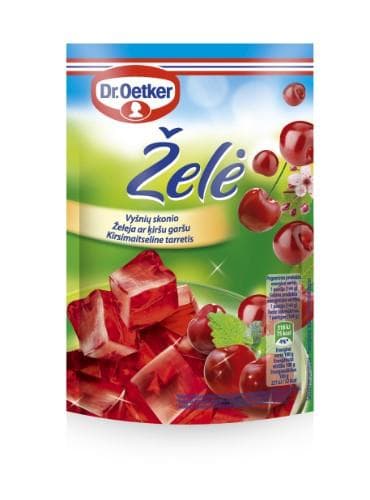
Jelly DR.OETKER, cherry skonio, 72 g
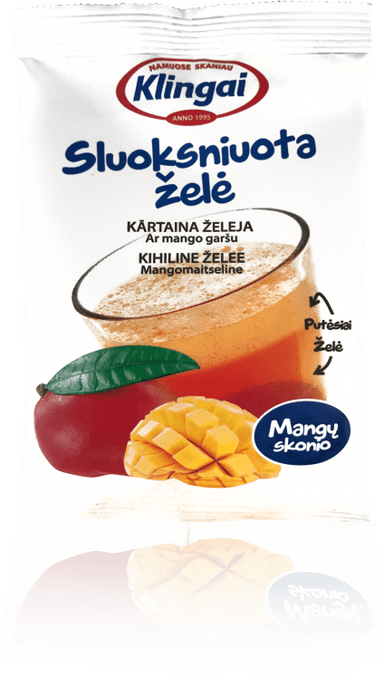
Layered jelly KLINGAI, mango flavor 80 g
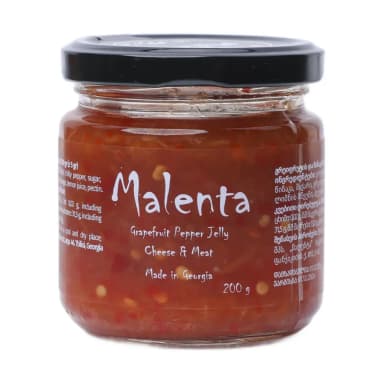
Grapefruit Jelly with Grapes and Hot Peppers
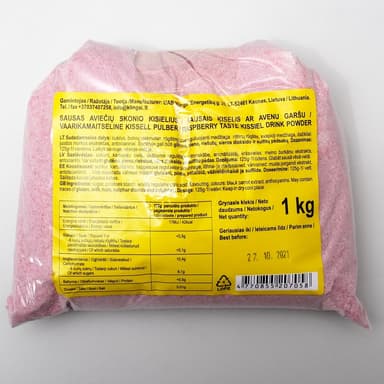
Kissiel KLINGAI, raspberry, without colourings, 1 kg
