
M&M'S CHOCO Candy, 90 g
175 people viewed this product
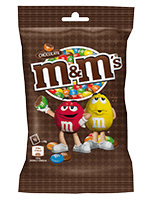
M&M'S CHOCO Candy, 90 g
Unlock Full Product Analysis
Get AI-powered ingredient breakdowns, personalized health insights, and smarter food choices — all inside Telegram.
Noticed incorrect or incomplete information about this product?
Report a problem?
Similar Products
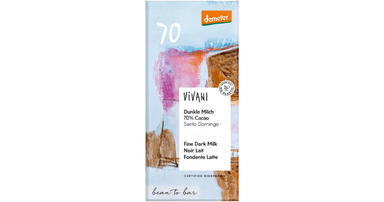
Milk chocolate 70%, biodynamic

Kalev Anneke milk chocolate
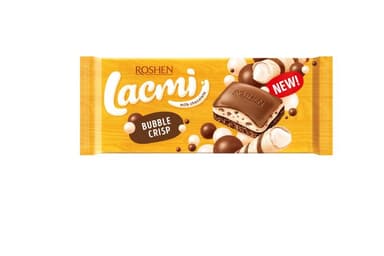
Milk chocolate ROSHEN, Lacmi, Bubble crisp, 80 g
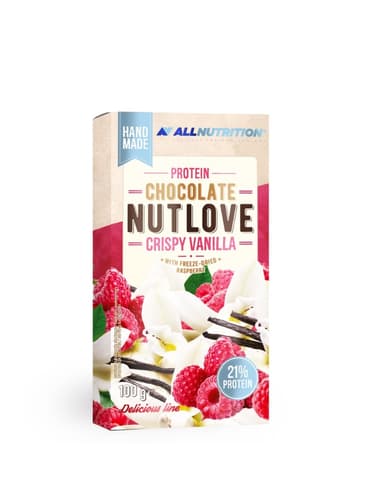
PROTEIN CHOCOLATE NUTLOVE CRISPY VANILLA, 100g
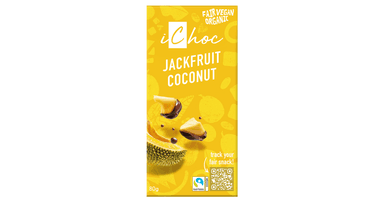
Dark chocolate with rye crisps and coconut flakes, organic
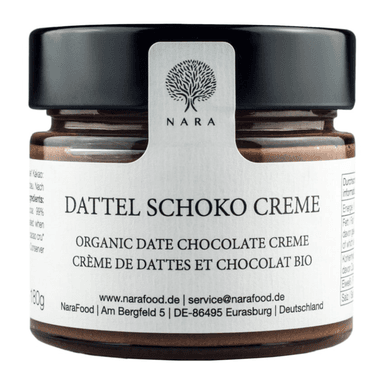
NARA Chocolate Date Cream, organic
Chocolate pieces SCHOGETTEN Trilogia, 100 g
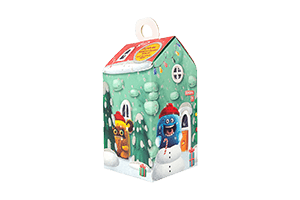
Candy gift BUMCIŲ street 9 250g
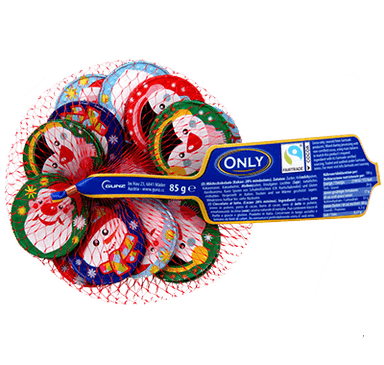
Chocolate Coins ONLY, 85g
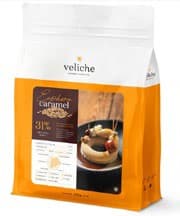
White chocolate VELICHE, caramel flavor, 31%, 10 kg

Karl Fazer milk chocolate
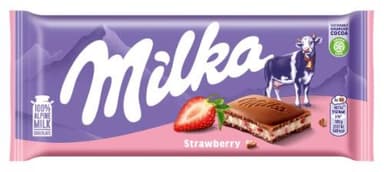
Milk chocolate MILKA, Alpine milk, w strawberry flavour filling, 100 g
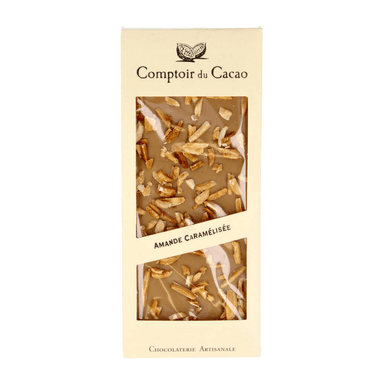
White chocolate with caramelized almond nuts

Kalev Milk Chocolate
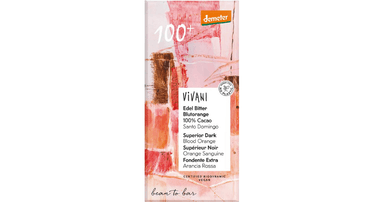
100% dark chocolate with red orange oil, biodynamic
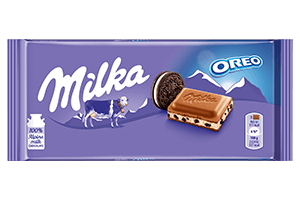
MILKA milk chocolate with OREO cookie pieces, 100 g
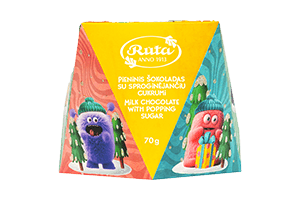
Milk chocolate with popping sugar SMALSIEJI BUMCIAI 70g
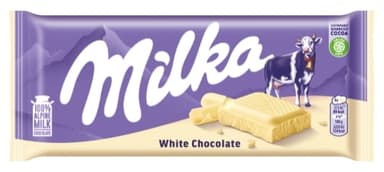
MILKA White, 100g
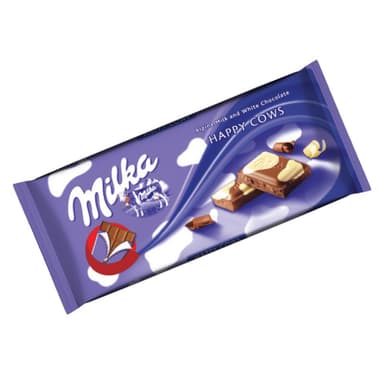
Chocolate MILKA Happy Cows, 100 g
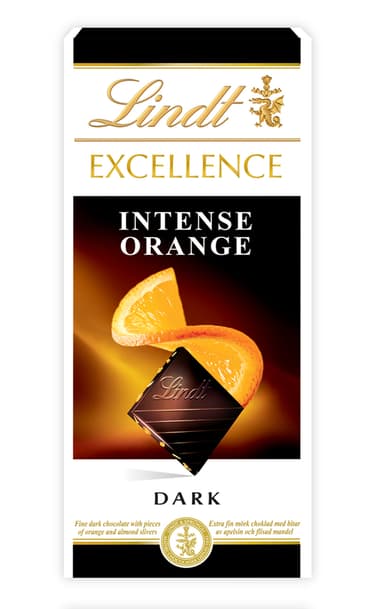
LINDT EXCELLENCE dar chocolate with orange, 100g
Chocolate STEVIA, dark with hazelnuts, 125 g
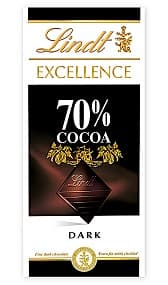
Chocolate LINDT Excellence, black, 70%, 100 g
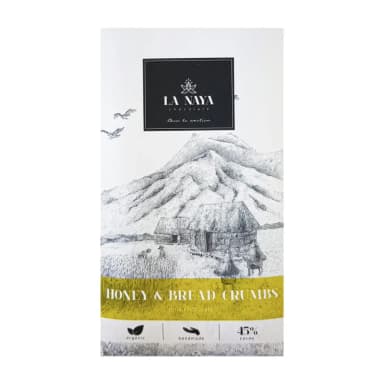
Milk chocolate with buckwheat honey and 45% bread, organic
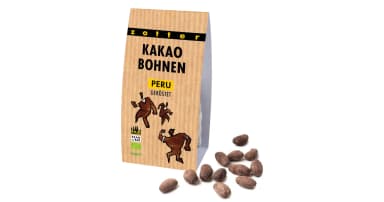
Organic cocoa beans
