
/
Meat fish and culinary preparation
/Cookery
/Sandwiches burgers submarines
/Sandwich FOCACCIA with ham, cheese and sweet sauce, 200 g
Sandwich FOCACCIA with ham, cheese and sweet sauce, 200 g
156 people viewed this product
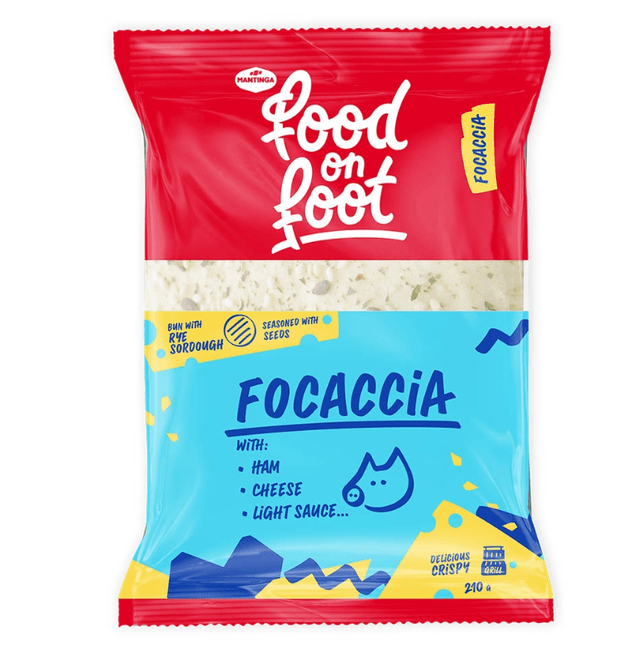
Sandwich FOCACCIA with ham, cheese and sweet sauce, 200 g
Unlock Full Product Analysis
Get AI-powered ingredient breakdowns, personalized health insights, and smarter food choices — all inside Telegram.
Noticed incorrect or incomplete information about this product?
Report a problem?
Similar Products
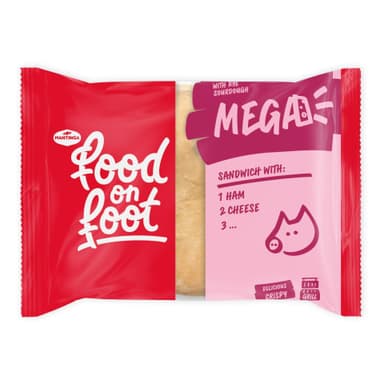
Sandwich Mega with ham and cheese, 245g

Polar bread with hot-smoked salmon, spinach and egg
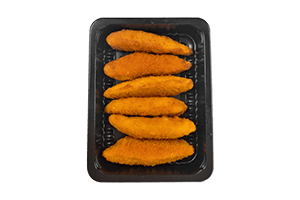
Breaded fried chicken fillet 300 g

Food on Foot Special polar bread sandwich with ham and cheese

Triangular sandwich MARGIRIS with shredded beef, paprika and spinach,
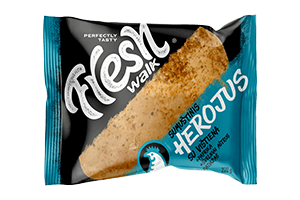
Sandwich with chicken, pepper, mildly spicy sauce. HEROJUS, 220g
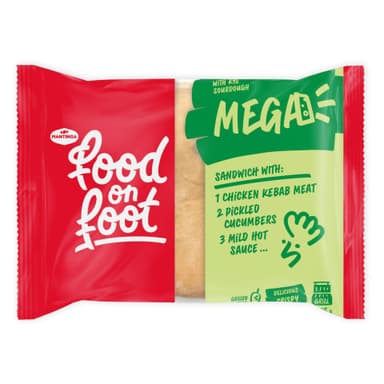
Sandwich Mega with chicken and pickles, 255g
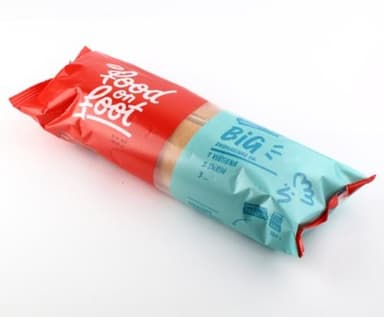
Sandwich BIG SUBMARINAS with chicken and cheese, 255g

Chicken fillet cutlet
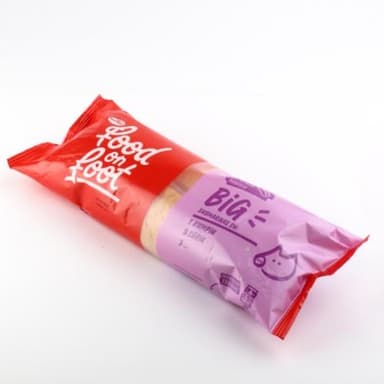
Sandwich BIG SUBMARINAS with ham and cheese, 255g
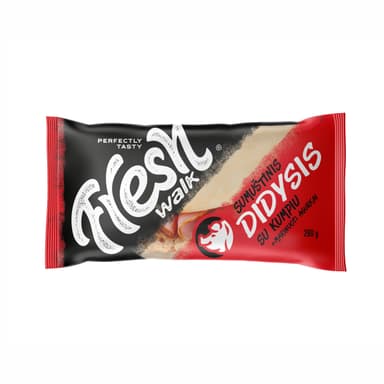
DIDYSIS sandwich with ham and pickles, 280g
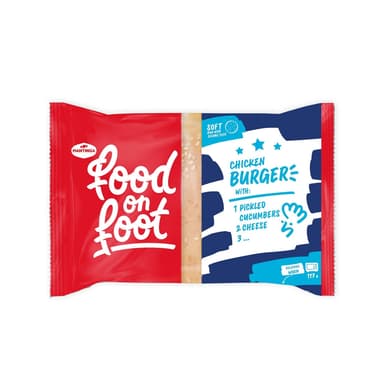
Burger with chicken cutlet and pickles, vending, 220 g
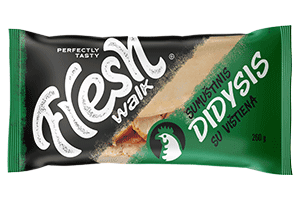
Curved sandwich with chicken, 260g

Fried chicken fillet cutlets with sauce HEAT & EAT
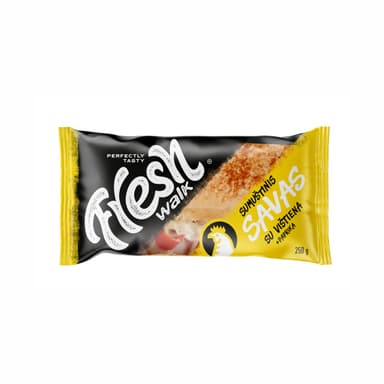
DIDYSIS sandwich with chicken, 260g
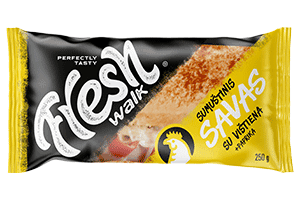
CHILLI sandwich with chicken 250g
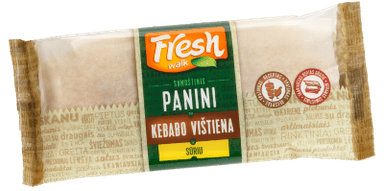
Sandwich with kebab chicken and spicy sauce GOOD ONE, 205g
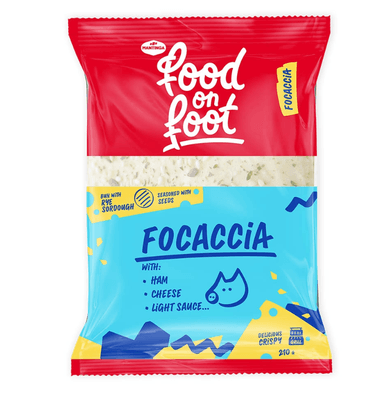
Sandwich FOCACCIA with ham, cheese and sweet sauce, 200 g
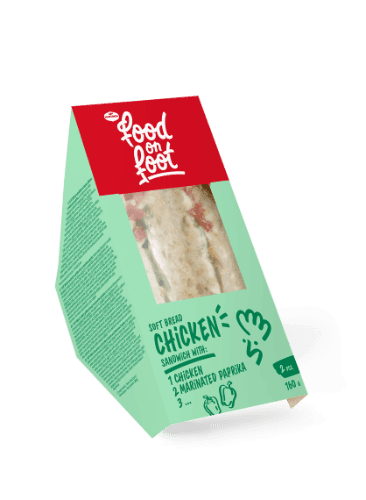
Triangle sandwich, with grilled chicken and marinated peppers, 160 g
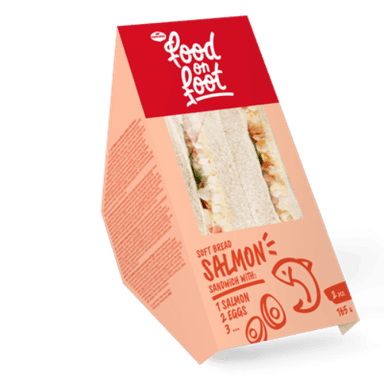
Sandwich SOFT BREAD, with salmon ans egg, 165g
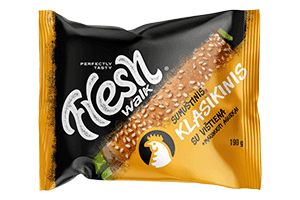
CLASSIC sandwich with chicken and pickled cucumbers 190g
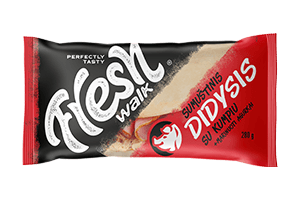
BIG sandwich with ham and pickled cucumbers 280g
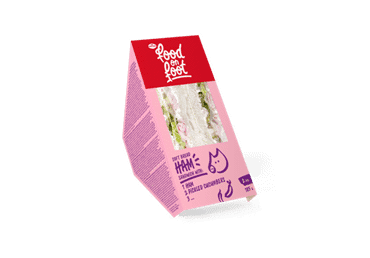
Sandwich SOFT BREAD, with ham and pickles, vending, 185 g
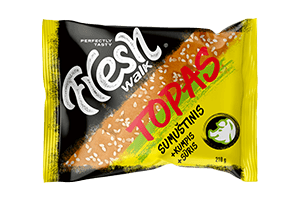
Sandwich with ham and cheese TOPAS 210g
