
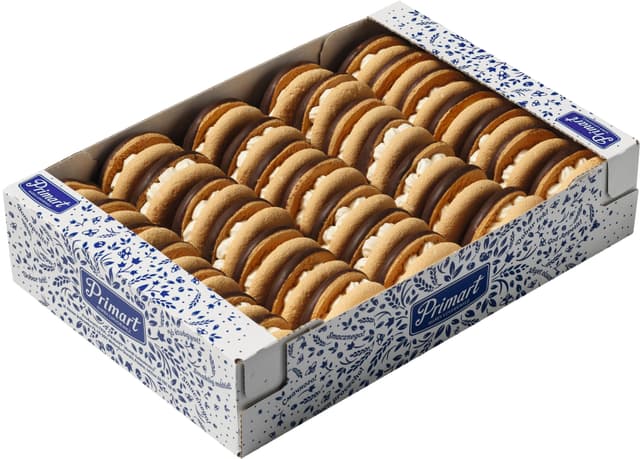
Biscuits PRIMART, apricot flavored filling, glazed, 800 g
Unlock Full Product Analysis
Get AI-powered ingredient breakdowns, personalized health insights, and smarter food choices — all inside Telegram.
Noticed incorrect or incomplete information about this product?
Report a problem?
Similar Products
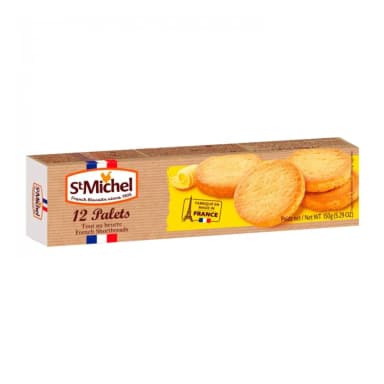
French butter cookies ST MICHEL
Cookies TWIST, 155 g
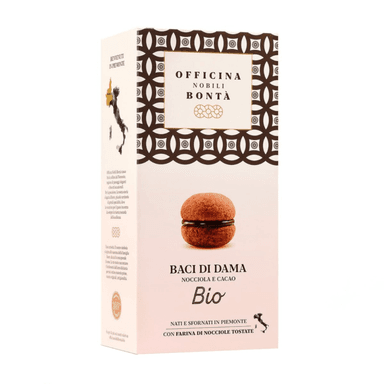
Cookies with hazelnuts and cocoa BACI DI DAMA, organic

Cheese biscuits VAN STRIEN, cheese and onion flavor, 90 g
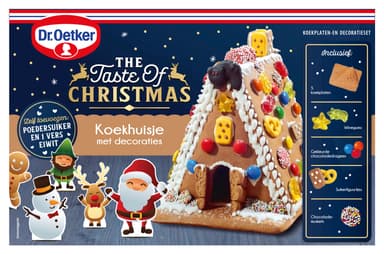
Crispy house DR.OETKER, with decoration set, 403g
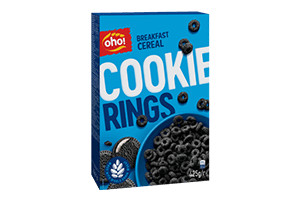
Crispy breakfast OHO COOKIE RINGS 425g
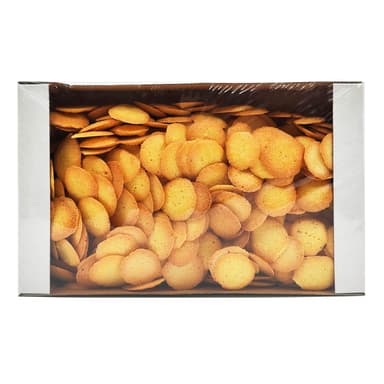
Cookies KOKOSINUKAI, 1kg

Oho, Breakfast "Cookie Pillows", 175 g
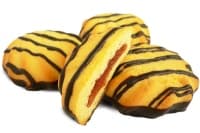
Bisquits with cherry filling, covered with chocolate, 2 kg
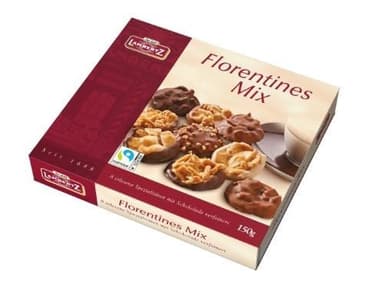
Biscuit set LAMBERTZ Florentines Mix, 150 g
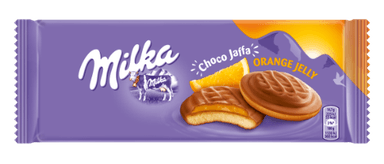
Cookies MILKA Jaffa, with orange filling, 147 g
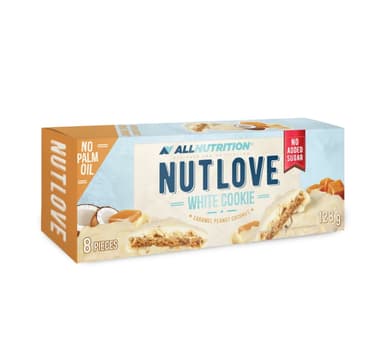
NUTLOVE WHITE COOKIE CARAMEL PEANUT COCOUNT
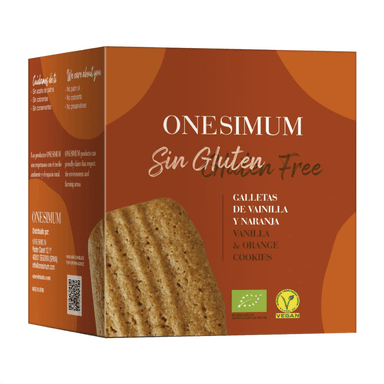
Oatmeal cookies VANILLA & ORANGE, gluten-free, organic
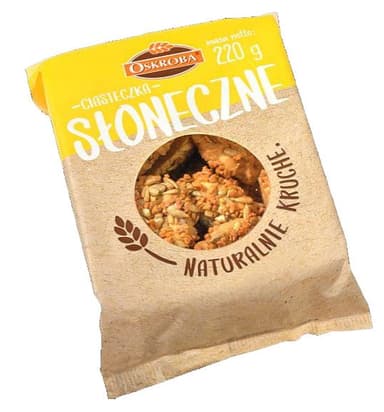
Cookies OSKROBA, 220 g
Biscuits EZIUKAS, 180 g
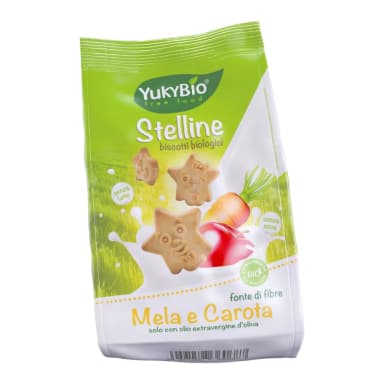
STELLINE organic apple and carrot cookies
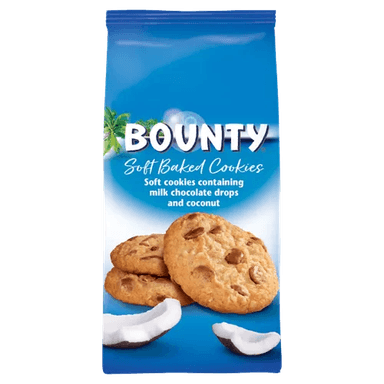
Cookies BOUNTY, 180 g
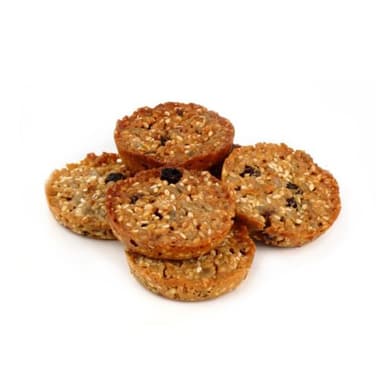
Cookies Vital , with seeds, 2 kg
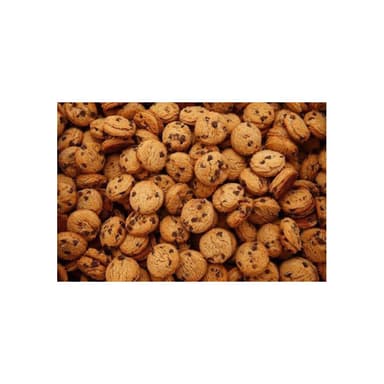
„BISCUITS WITH CHOCOLATE FLAVORED CHIPS", 2,5 kg
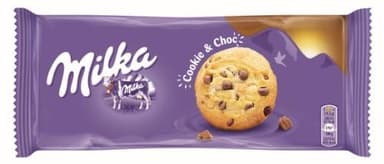
Biscuits MILKA, Choco, 135 g
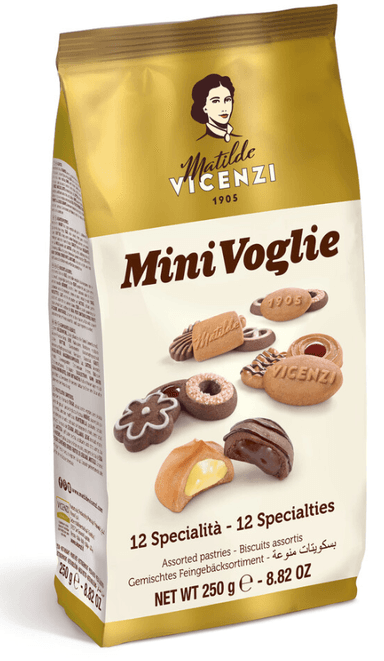
Bisquits VICENZI Mini Voglie, assorted, 250 g
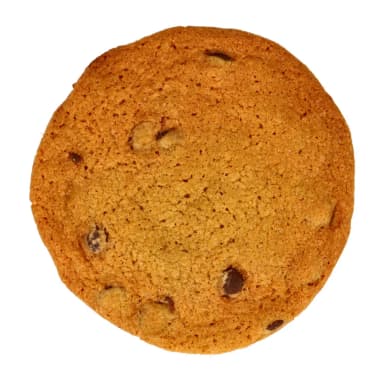
American chocolate chip cookie, bakery salt flour water
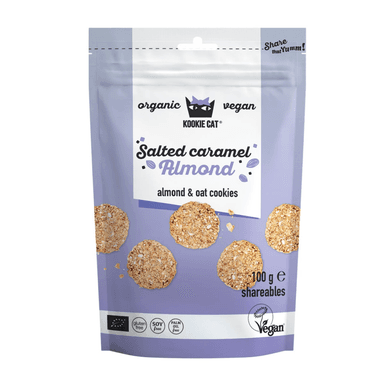
Oatmeal cookies with salted caramelized almonds, organic
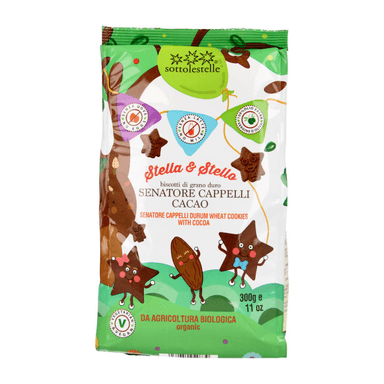
Cocoa Biscuits SENATORE CAPPELLI CACAO, organic
