
Fast-serving pasta YUM YUM, chicken flavor, 60 g
179 people viewed this product
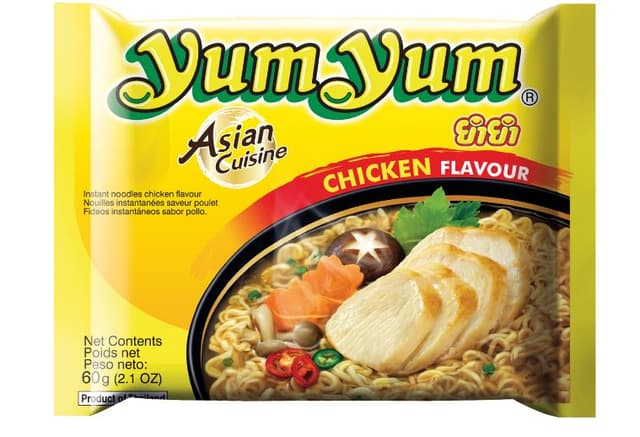
Fast-serving pasta YUM YUM, chicken flavor, 60 g
Unlock Full Product Analysis
Get AI-powered ingredient breakdowns, personalized health insights, and smarter food choices — all inside Telegram.
Noticed incorrect or incomplete information about this product?
Report a problem?
Similar Products
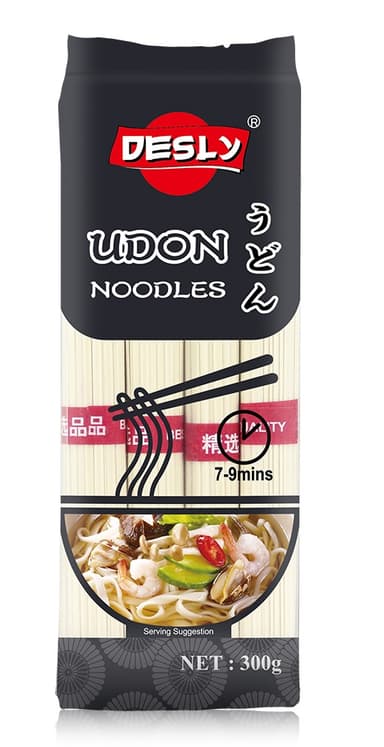
Udon noodles DESLY, 300g
Rice Noodles SANTA MARIA, 180 g
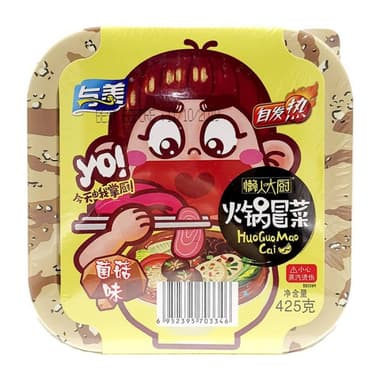
Pasta and vegetable soup Yumei Inst Veg Hot Pot Fungus Mushrsriubai, not spicy, 425 g
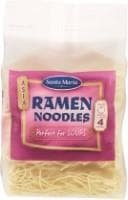
Ramen Noodles SANTA MARIA "Perfect for soups" 200g
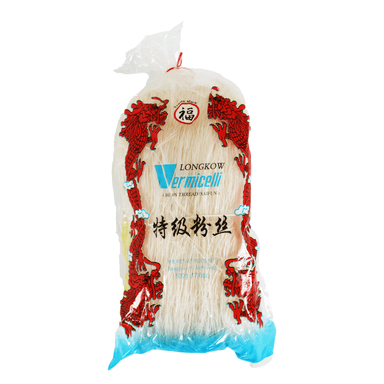
Noodles LUNGKOW, glass vermicelli, 500 g
Brown rice vermicelli, organic
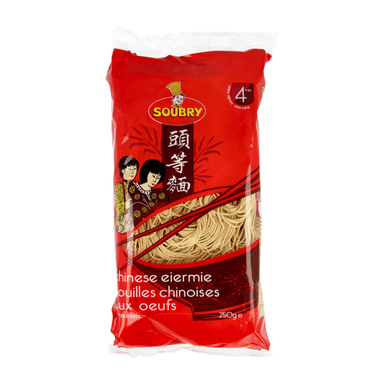
Chinese Egg Noodles SOURBY
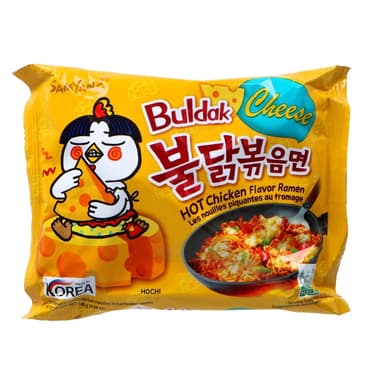
Ramen SAMYANG, Buldak Cheese, 140 g
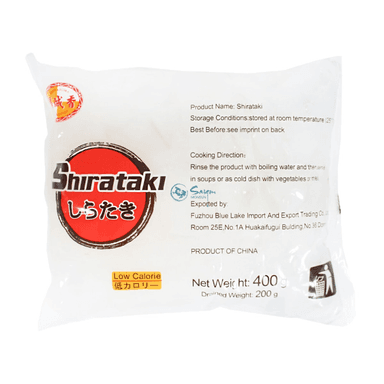
Shirataki Konjac Noodles
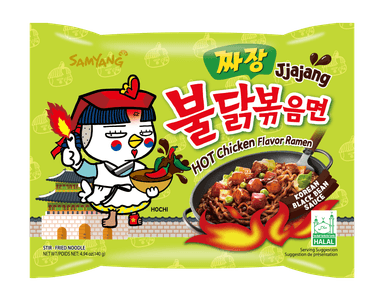
Ramen SAMYANG, Jjajang Black Bean Sauce, 140g
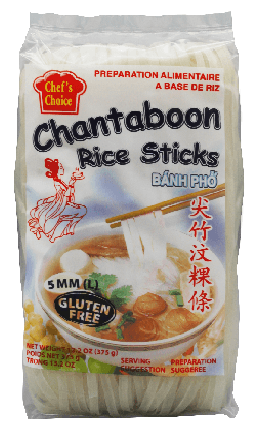
RICE STICK 5 MM 375G
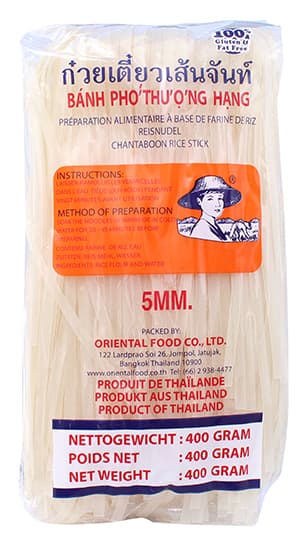
FARMER, Rice Sticks 5mm (L), 34x400g
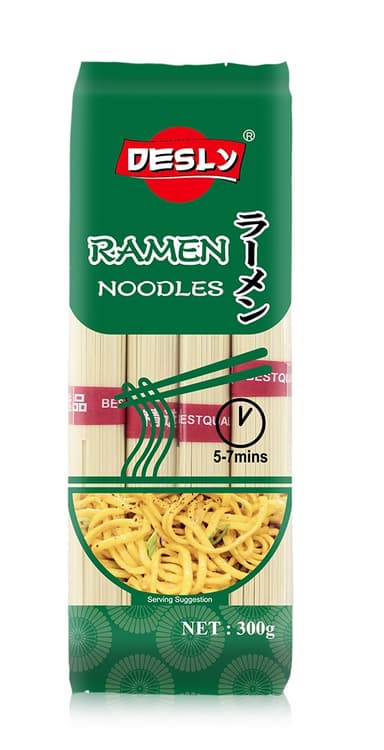
Ramen noodles DESLY, 300g

Santa Maria Rice Noodles
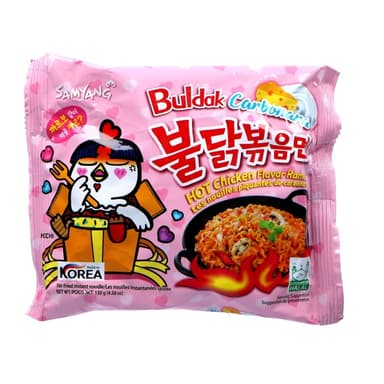
Ramen SAMYANG, Buldak Carbonara, 130 g
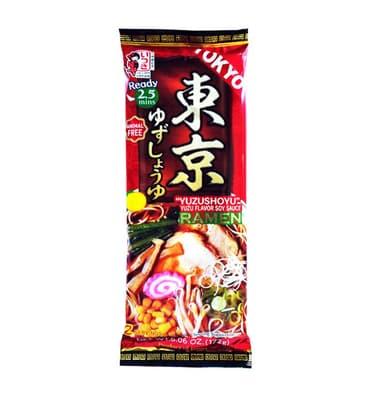
Instant ramie with sauce ITSUKI Tokyo Yuzu Shoyu Soy Sauce, 172 g
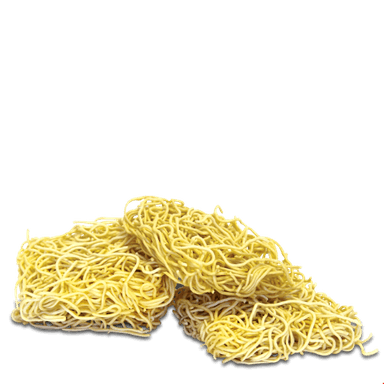
Asian noodles with egg SANTA MARIA, 6 kg
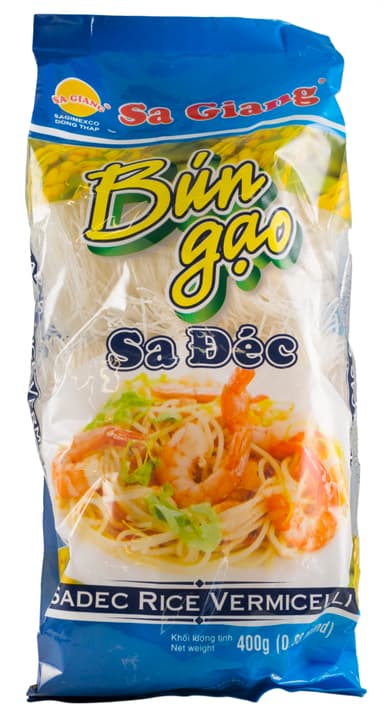
Pasta SA-GIANG, rice noodles, 400g

Samyang Buldak Hot Chicken Flavor Ramen
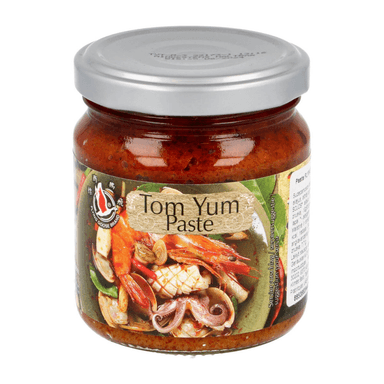
Tom Yum soup pasta
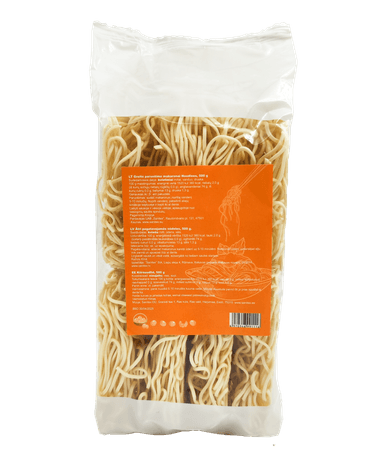
Quick cooking noodles, with egg, 500 g
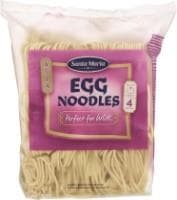
Egg Noodles SANTA MARIA Wok, 200 g

Egg Noodles
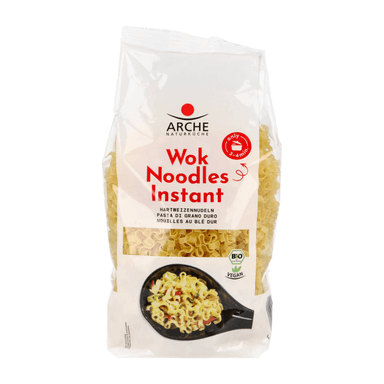
Quick-cooking WOK NOODLES, organic
