
/
Meat fish and culinary preparation
/Meat products
/Meat products
/Hot smoked pork bacon KLAIPEDOS MAISTAS, 130 g
Hot smoked pork bacon KLAIPEDOS MAISTAS, 130 g
148 people viewed this product
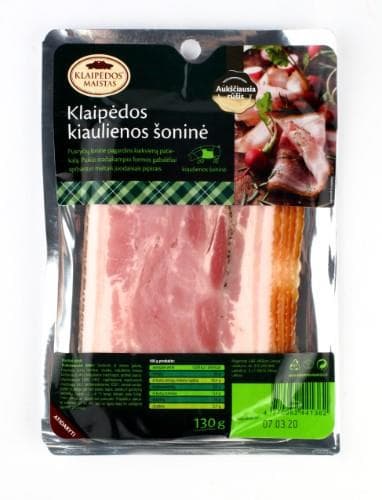
Hot smoked pork bacon KLAIPEDOS MAISTAS, 130 g
Unlock Full Product Analysis
Get AI-powered ingredient breakdowns, personalized health insights, and smarter food choices — all inside Telegram.
Noticed incorrect or incomplete information about this product?
Report a problem?
Similar Products
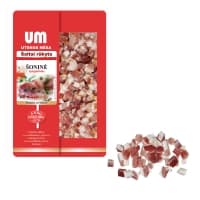
Cold smoked pork belly for greaves, 2 g
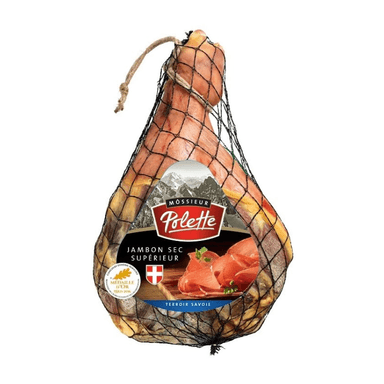
Dried pork ham SEC SUPERIEUR TERROIR SAVOIE
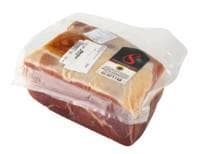
Cured ham JAMON SERRANO CONSORCIO, extra, ~2,255 kg
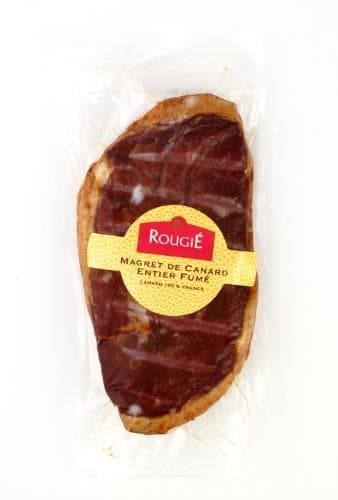
Hot-smoked duck breast, ~300g

Maks&Moorits, Smoked Bacon from Thinner Part
Sliced beef peppered ham 120 g
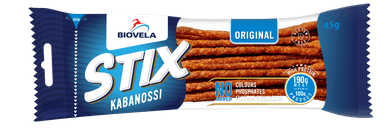
Hot smoked STIX kabanossi sticks, chicken, a.r., 45 g
Blood sausages, 500 g
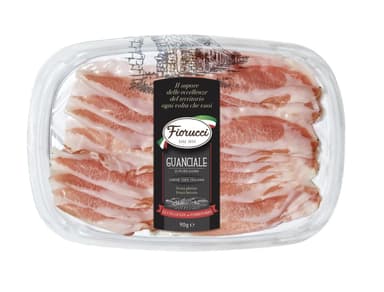
Salted pork knuckles FIORUCCI, Guanciale, with spices, slices, 90g

Cold Smoked Black Forest Bacon WELL DONE, 1st grade, 80 g
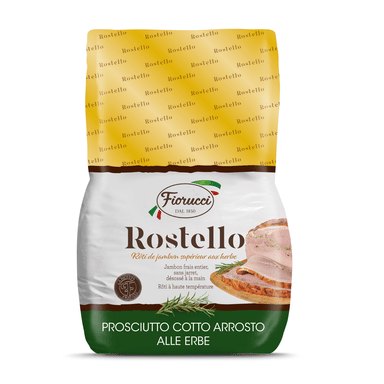
Fried pork ham Rostello FIORUCCI, highest spc, ~8.5kg
Cured ham JAMON SERRANO EXTREMADURA, extra, ~2,5 kg
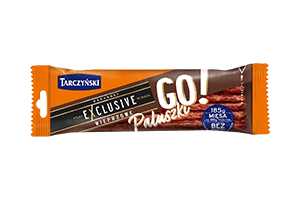
Hot smoked poultry sausages with pork KABANOS 50g
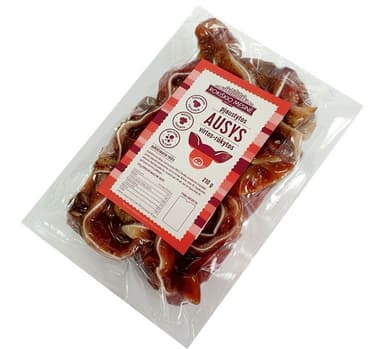
Boiled smoked pork ears, cut, 200 g
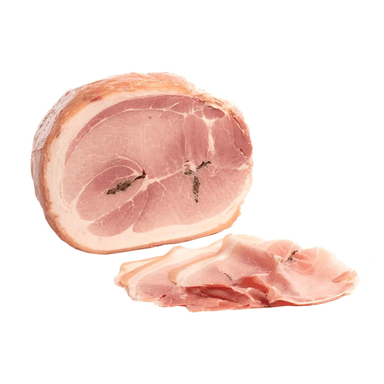
Cooked pork ham with truffles HIGH QUALITY WITH TRUFFLE
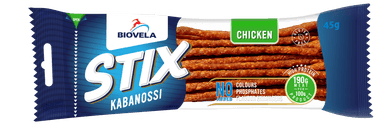
Hot smoked chicken STIX kabanossi sticks, chicken, a.r., 45 g

Beef Jerky Teriyaki
Cooked pork product, pulled pork, in vacuum, ~0.9 kg
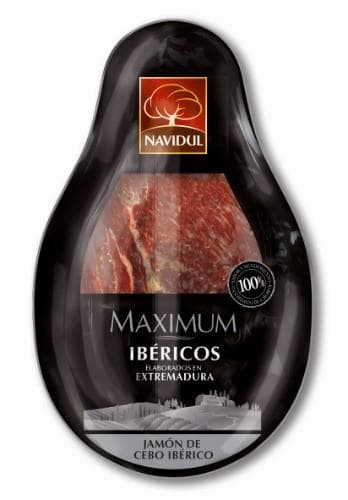
Cured ham NAVIDUL Iberico cebo, ~5 kg
1/4 cured ham CORALLO, in vacuum packaging, ~1,2 kg
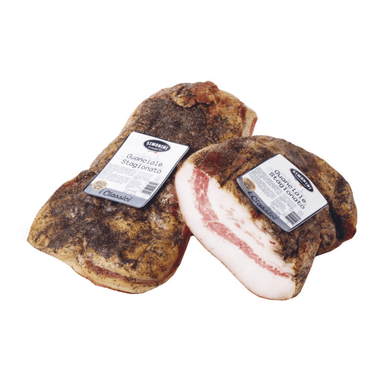
Salted pork cheek with pepper GUANCIALE AL PEPE

Linnamäe Lihatööstus, Dried Reindeer Meat
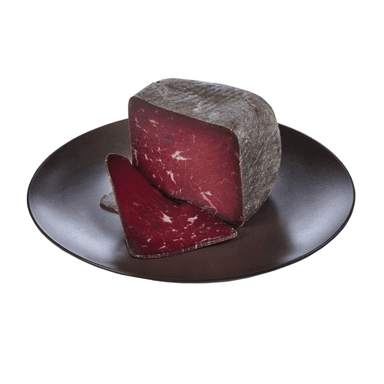
Dried beef VIANDE DES GRISONS
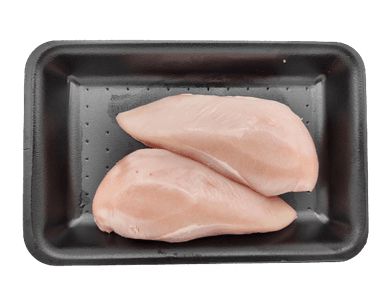
Skinless chicken breast
