
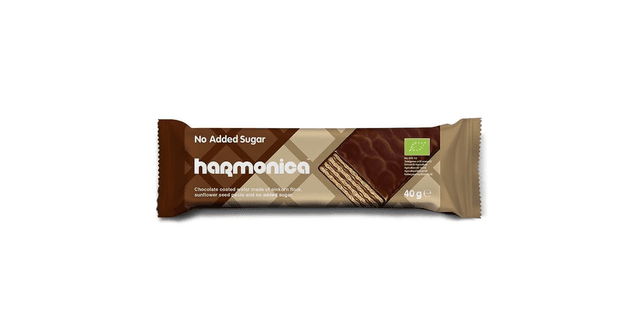
A waffle coated with milk chocolate, unsweetened and organic.
Unlock Full Product Analysis
Get AI-powered ingredient breakdowns, personalized health insights, and smarter food choices — all inside Telegram.
Noticed incorrect or incomplete information about this product?
Report a problem?
Similar Products
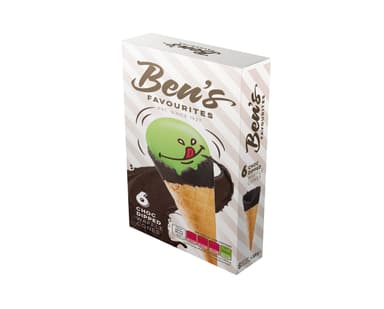
Waffle cones BEN'S FAVORITES, with vanilla-flavored chocolate frosting
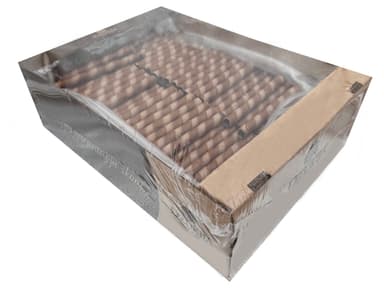
Waffle tubes DZŪKIJA, with chocolate filling, 1.7kg
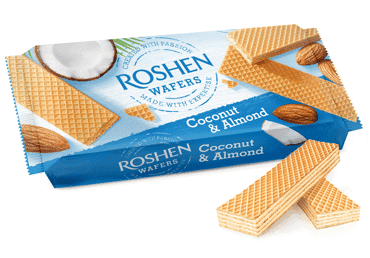
ROSHEN Wafers with Coconut and Almond Filling
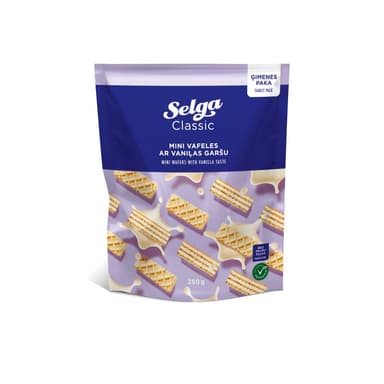
Mini waffles SELGA vanilla flavor, 250 g
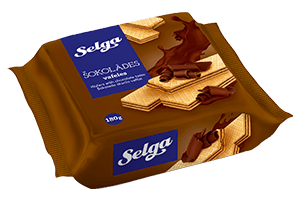
SELGA Chocolate-flavored Wafers, 180 g
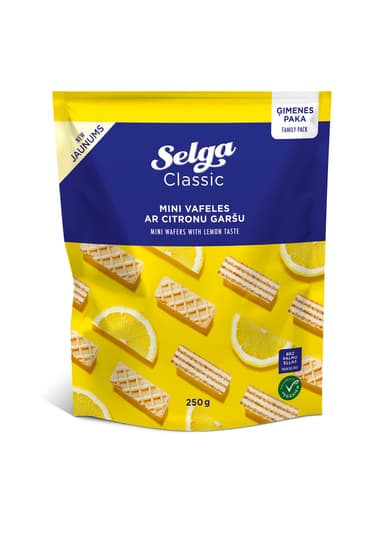
Mini waffles SELGA lemon flavor, 250 g
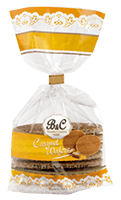
Caramel Wafers B&C, 230 g
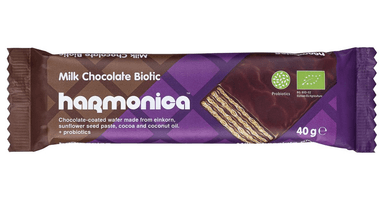
Biotic waffle coated with milk chocolate, organic
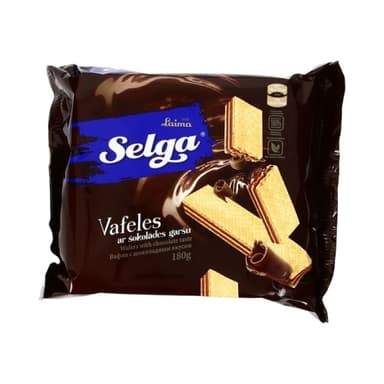
Wafers SELGA, chocolate taste, 180 g
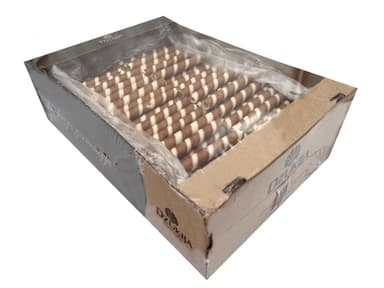
Waffle tubes DZŪKIJA, 1kg
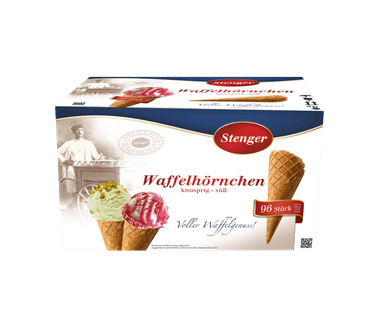
Waffle cones STENGER, 96 pcs., 1.2 kg
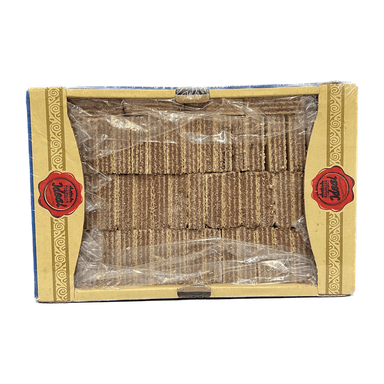
Wafers ARSENAL, cacao, 2 kg
Wafers SELGA, hazelnut taste, 180 g
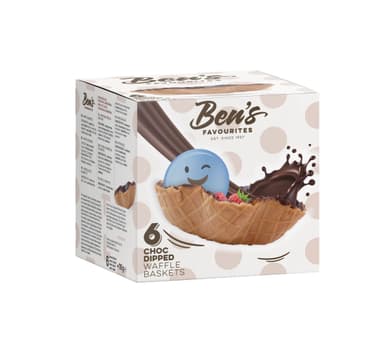
Waffle bowls BEN'S FAVORITES, with chocolate frosting, 4 pcs., 100 g
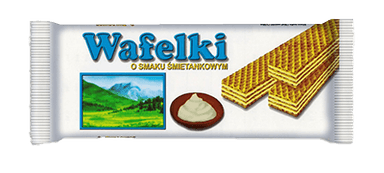
Wafers with cream filling, 80 g

Belgian Waffle
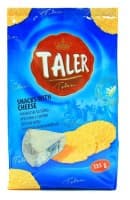
Waffle snacks TALERIAI, with cheese, 135 g
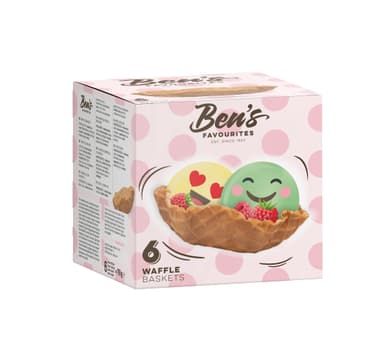
Waffle bowls BEN'S FAVOURITES, sweet, 6 pcs., 78 g
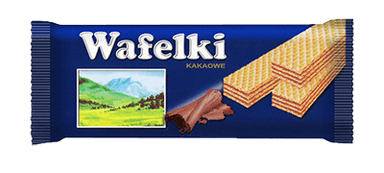
Wafers with cocoa filling, 80 g
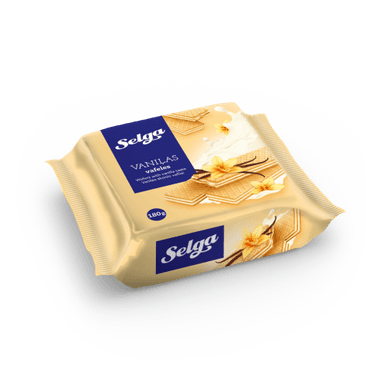
Waffles SELGA, vanilla, 180 g
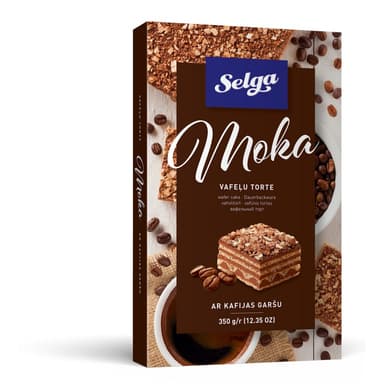
Wafer cake SELGA Moka 350g
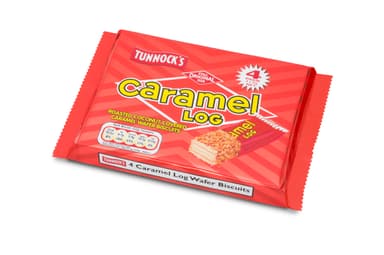
Waffles TUNNOCK'S, with caramel, 128 g
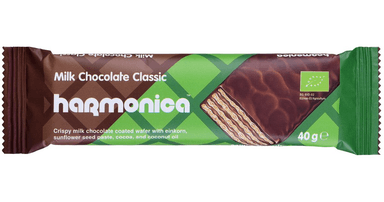
Classic waffle covered with milk chocolate, organic
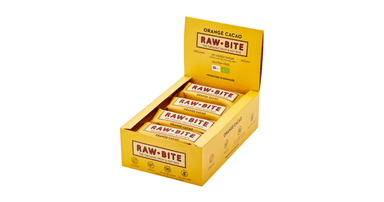
Organic orange and cocoa bars, in a box
