
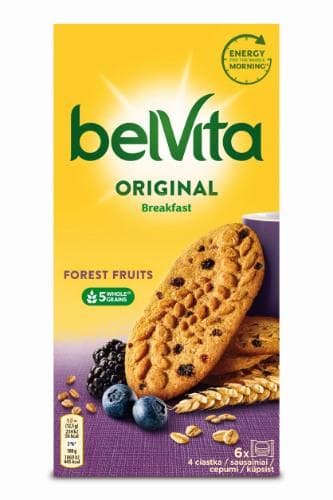
Biscuits BELVITA, forest berry, 300 g
Unlock Full Product Analysis
Get AI-powered ingredient breakdowns, personalized health insights, and smarter food choices — all inside Telegram.
Noticed incorrect or incomplete information about this product?
Report a problem?
Similar Products
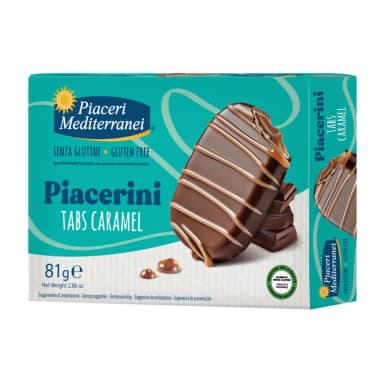
Cookies with PIACERINI TABS CARAMEL filling, gluten-free
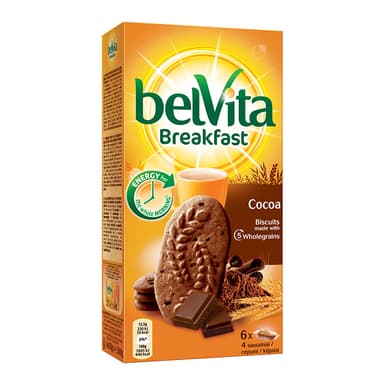
Biscuits BELVITA, with chocolate pieces, 300 g
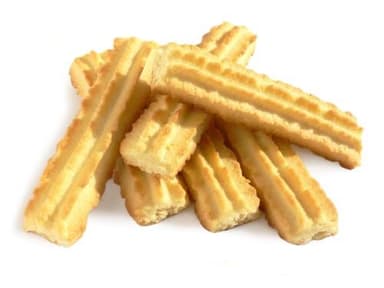
Biscuits DZŪKIJA Kaimiški, with butter, 2.5 kg
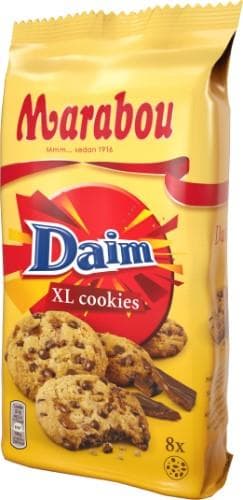
Biscuits MARABOU Daim, 184 g
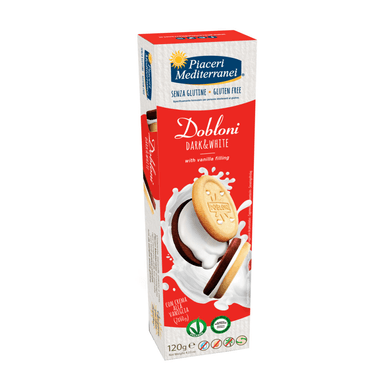
DOBLONI DARK & WHITE Cookies, gluten-free
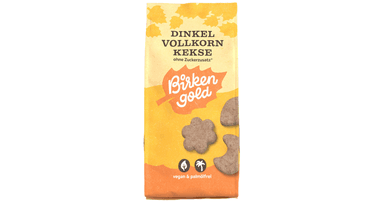
Whole grain spelt cookies without added sugar
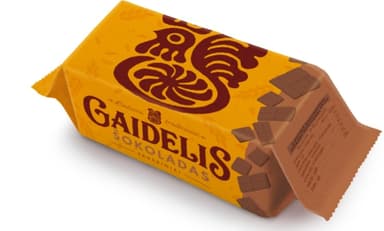
Biscuits GAIDELIS, chocolate flavour, 160 g
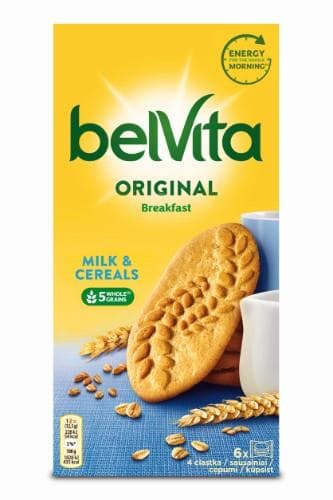
Biscuits BELVITA, 5 cereal & mlk, 300 g
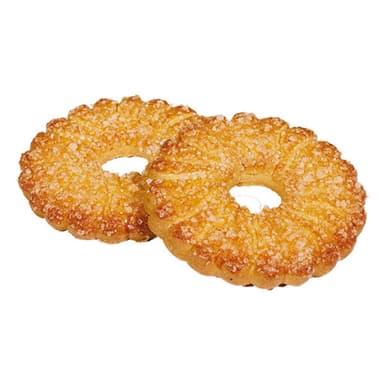
Biscuits PRIMART, desert, covered with sugar, 0,85 kg

Dumle, Corn cakes with chocolate and caramel 4pcs, 66g
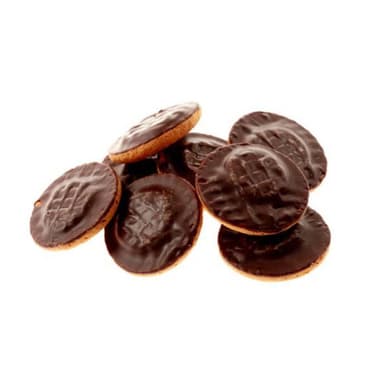
Glazed biscuits PRIMART, with orange filling, 0,9 kg
Biscuits LINKSMUČIAI, white chocolate taste mooshrooms, 1 kg
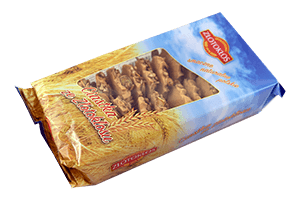
Cookies with pumpkin and sunflower seeds ZLOTOKLOS, 300g
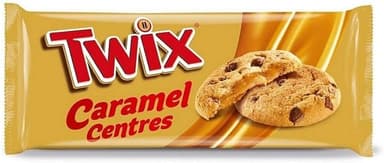
Cookies TWIX Caramel, 144 g
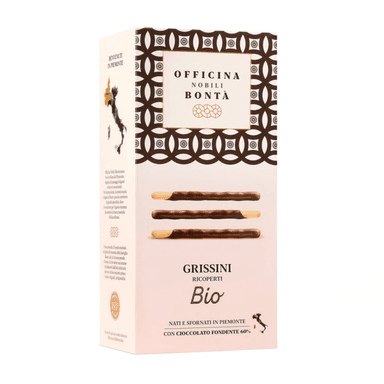
Chocolate-covered Grissini Sticks, organic
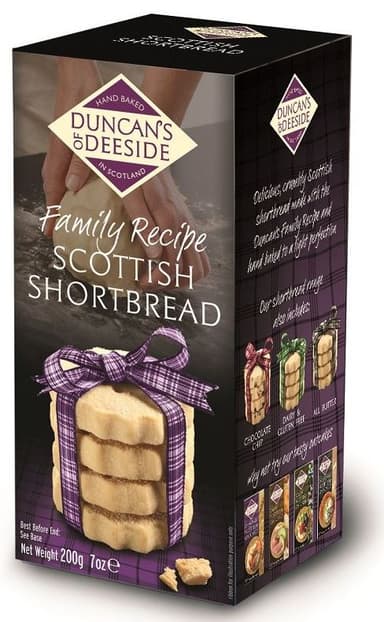
Biscuits DUNCAN'S OF DEESIDE Family recipe, 200 g
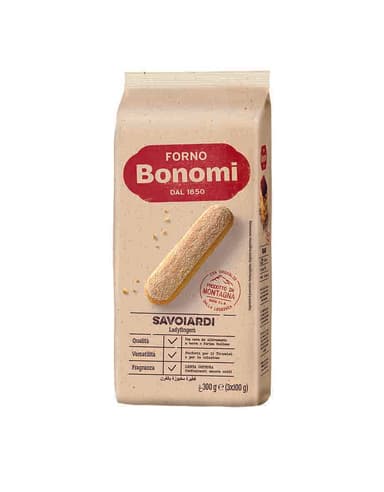
Butter dough cookies FORNO BONOMI, Ladyfingers, 300 g
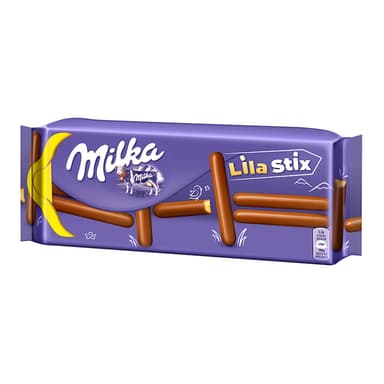
Biscuits MILKA, Lila Stix, 112 g
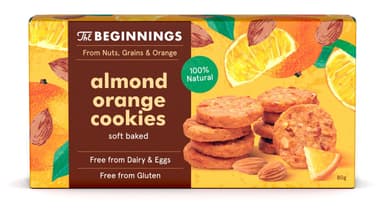
Vegan almond cookies THE BEGINNINGS, with orange, 80 g
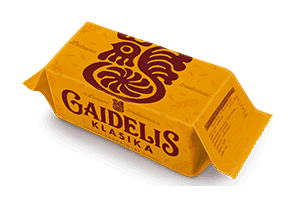
GAIDELIS KLASIKA Biscuits 160g
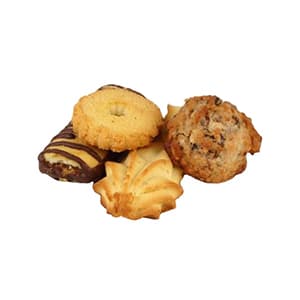
Biscuits mix, 1 kg
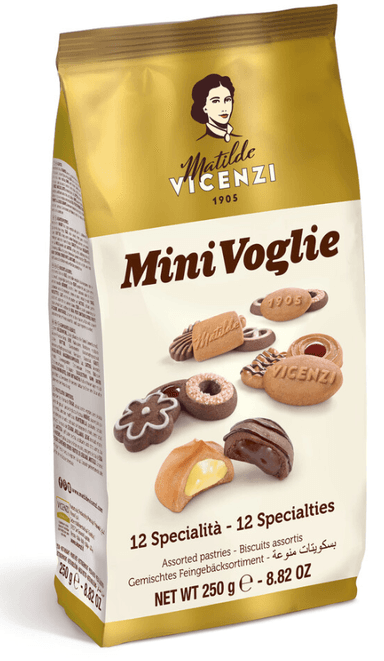
Bisquits VICENZI Mini Voglie, assorted, 250 g
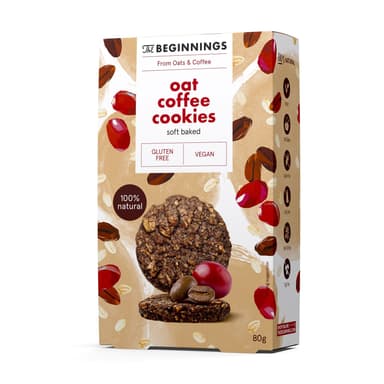
Oat biscuits THE BEGINNINGS, coffee flavor, 80 g.

Blevita cereal biscuits with chocolate
