
Pizza Guseppe Ham Garlic Sauce 440g
98 people viewed this product
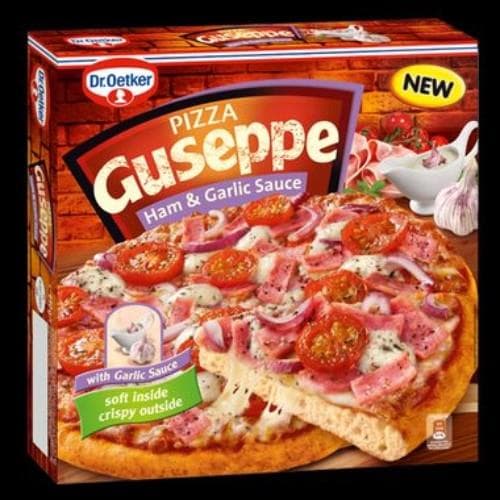
Pizza Guseppe Ham Garlic Sauce 440g
Unlock Full Product Analysis
Get AI-powered ingredient breakdowns, personalized health insights, and smarter food choices — all inside Telegram.
Noticed incorrect or incomplete information about this product?
Report a problem?
Similar Products
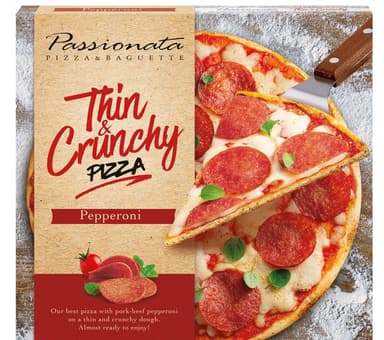
Frozen pizza PASSIONATA Pepperoni, with pork and beef, 310 g.
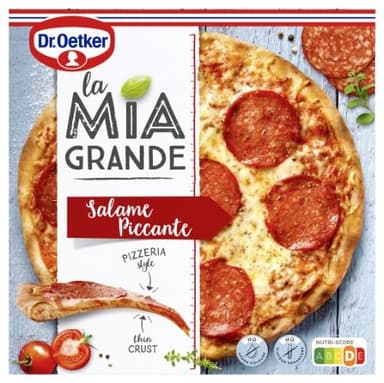
Frozen pizza LA MIA GRANDE Salame Piccante, 380g
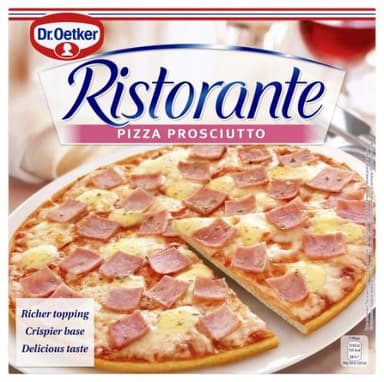
Frozen pizza RISTORANTE Prosciutto, 340 g
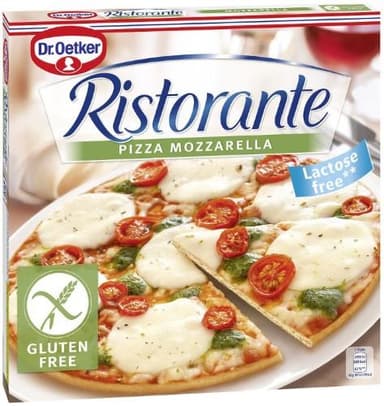
Pizza Ristorante Mozzarella gluten free, laactose free, 370g
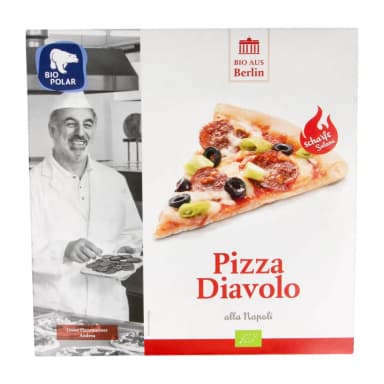
DIAVOLO Pizza, frozen, organic
Frozen ITALIAN casserole with ham, 125 g
Italian Snack with Ham, 125 g

Grandiosa Kiviahjupitsa Superiore Meat Lovers
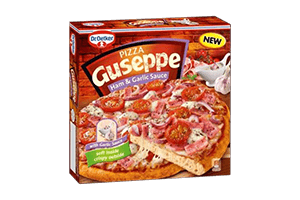
Frozen pizza with ham and garlic sauce GUSEPPE 440g
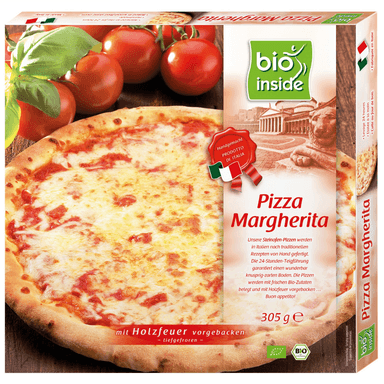
MARGERITA pizza, frozen, organic
Stuffed pizza with pork ham and cheese 250g

Rannarootsi, Cheese-Filled Pizza with Mozzarella and Pepperoni
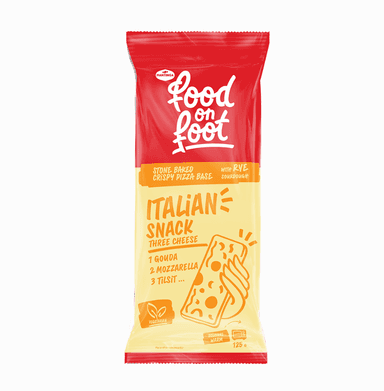
Italian Snack Three cheese, 125 g
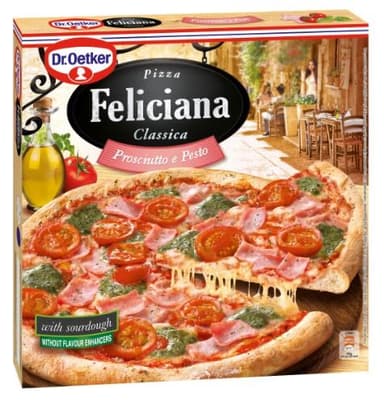
Frozen pizza FELICIANA Prosciutto e Pesto, 360 g
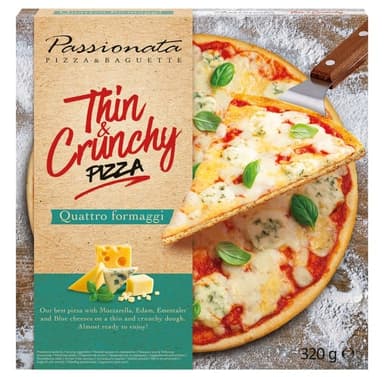
Frozen pizza PASSIONATA Quattro formaggi, 4 cheeses, 320 g

Dr.Oetker Ristorante Hawaii Pizza
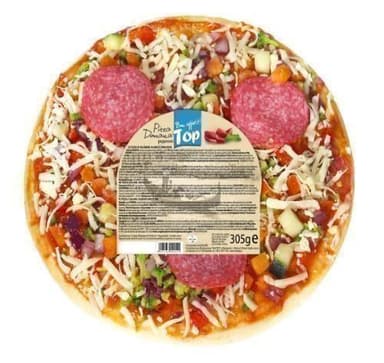
Pizza Domana pepperoni, 305 g
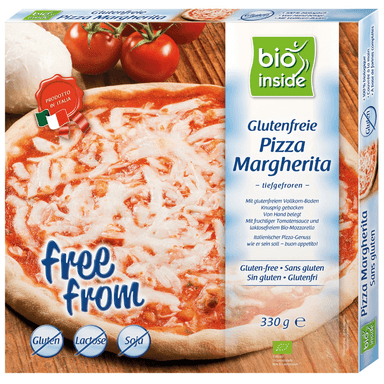
Gluten-free MARGARITA pizza, frozen, organic
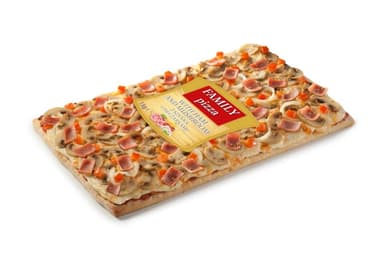
Frozen pizza FAMILY, with pork ham and mushrooms, 1kg
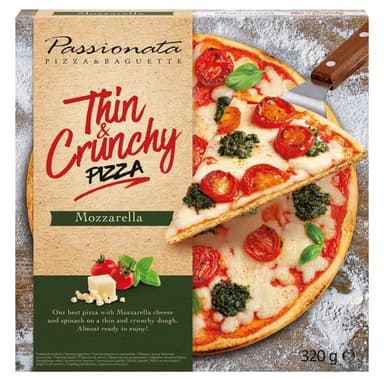
Frozen pizza PASSIONATA Mozzarella, with spinach, 320 g.

Large four-cheese pizza with tomato sauce
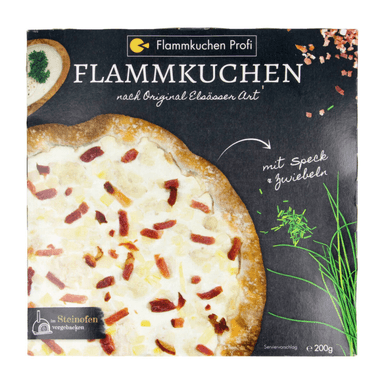
Authentic Alsatian tart with ham and onions, frozen
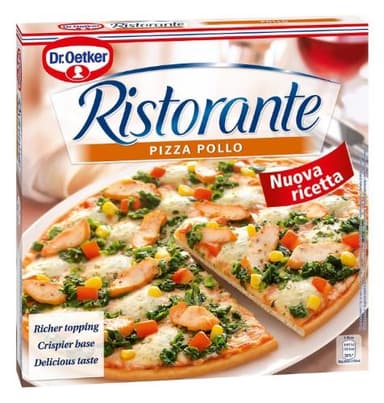
Frozen pizza RISTORANTE Pollo, 355g
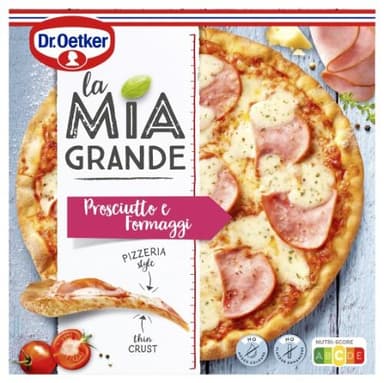
Frozen pizza LA MIA GRANDE Prosciutto e Formaggi, 400 g
