
Frozen ITALIAN casserole with ham, 125 g
101 people viewed this product
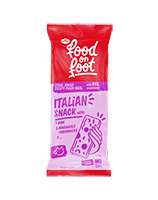
Frozen ITALIAN casserole with ham, 125 g
Unlock Full Product Analysis
Get AI-powered ingredient breakdowns, personalized health insights, and smarter food choices — all inside Telegram.
Noticed incorrect or incomplete information about this product?
Report a problem?
Similar Products
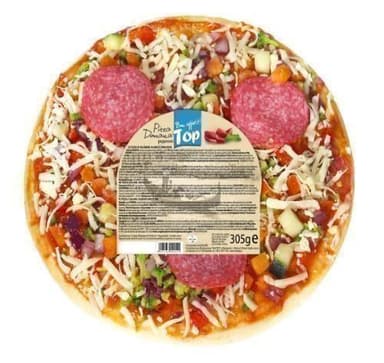
Pizza Domana pepperoni, 305 g
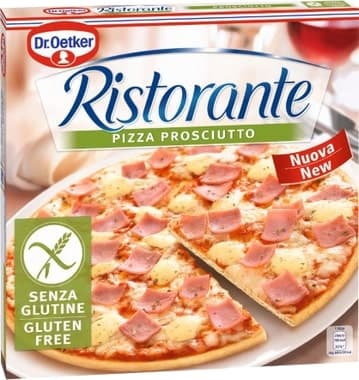
Frozen pizza RISTORANTE Prosciutto Gluten Free, 345g

Rannarootsi, Cheese-Filled Pizza with Mozzarella and Pepperoni
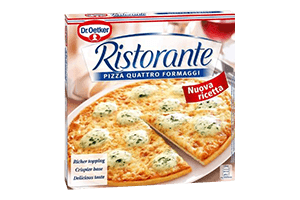
Frozen pizza RISTORANTE QUATTRO FORMAGGI, 340g
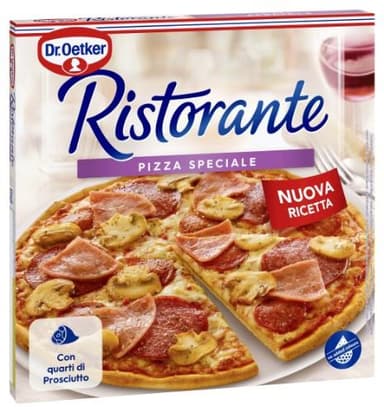
Frozen pizza RISTORANTE Speciale, 345 g
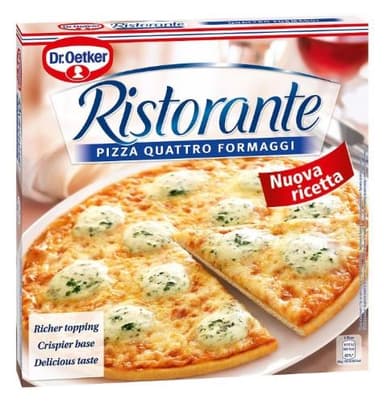
Pizza Ristorante Quattro Formaggi 340g
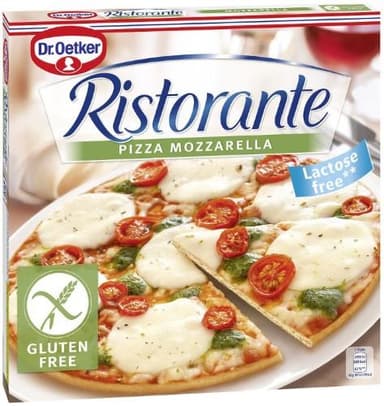
Pizza Ristorante Mozzarella gluten free, laactose free, 370g
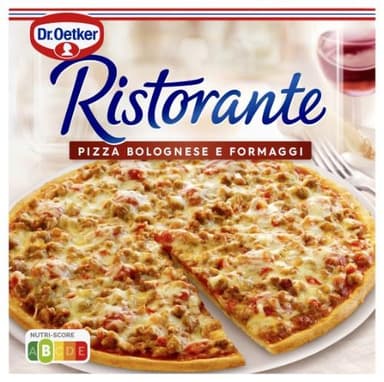
Frozen pizza RISTORANTE Bolognese, 375g
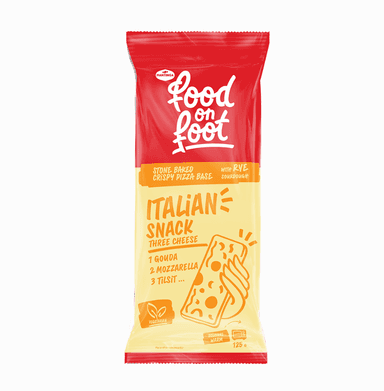
Italian Snack Three cheese, 125 g
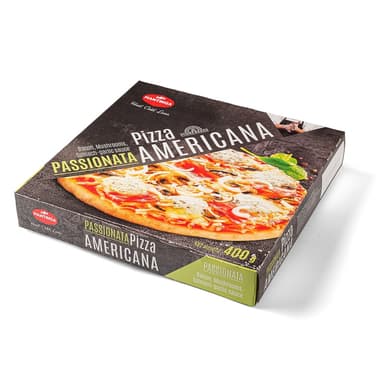
Pizza PASSIONATA, 400 g
Frozen pizza GUSEPPE with ham and mushrooms, 425 g

Dr.Oetker Ristorante Prosciutto Pizza
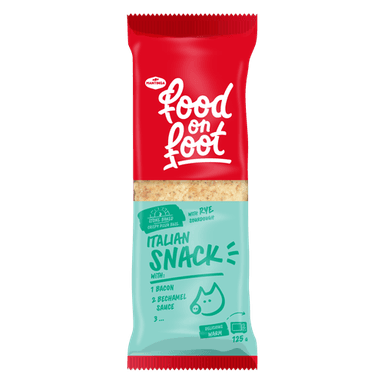
Italian snack with backon and Bechamel sauce, 125 g
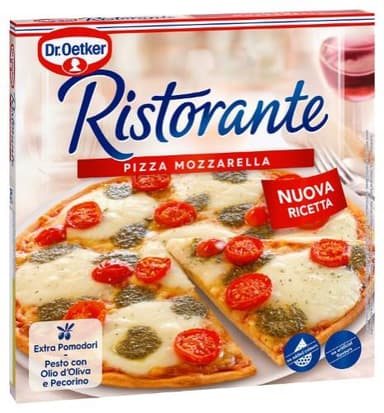
Frozen pizza RISTORANTE Mozzarella, 355 g
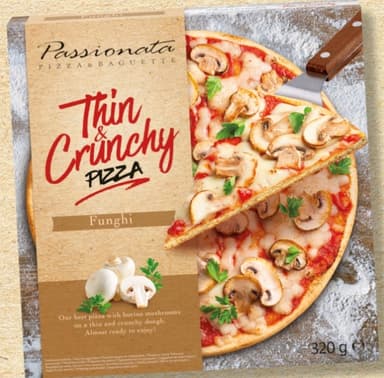
Frozen pizza PASSIONATA FUNGHI with mushrooms, 320 g
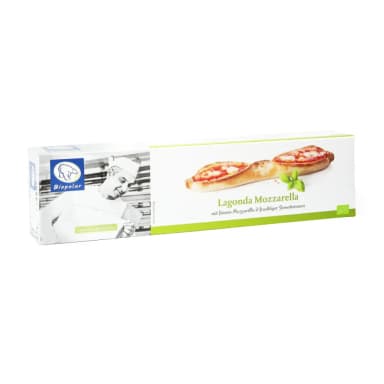
Lagonda Mozzarella mini boats, frozen, organic

Dr.Oetker Ristorante Hawaii Pizza

Grandiosa Kiviahjupitsa Superiore Meat Lovers

Large chicken and cheese pizza with tomato sauce
Frozen pizza with ham and garlic sauce GUSEPPE 440g

Grandiosa Hawaii Pizza
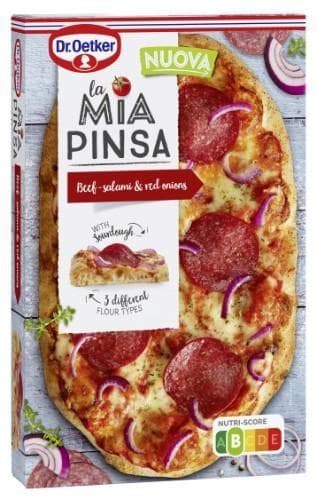
Frozen pizza DR.OETKER La Mia Pinsa Beef Salami, 305 g
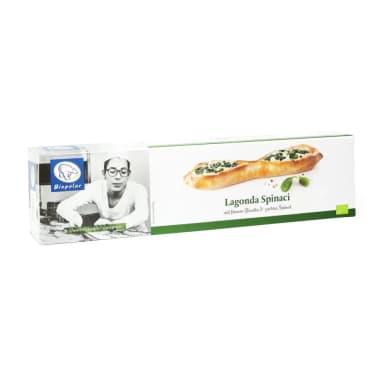
LAGONDA SPINACI boat-shaped puffs, frozen, organic
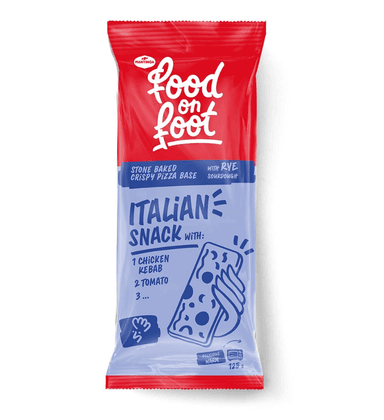
Italian Snack with Chicken Kebab and Tomatoes, 125 g
