
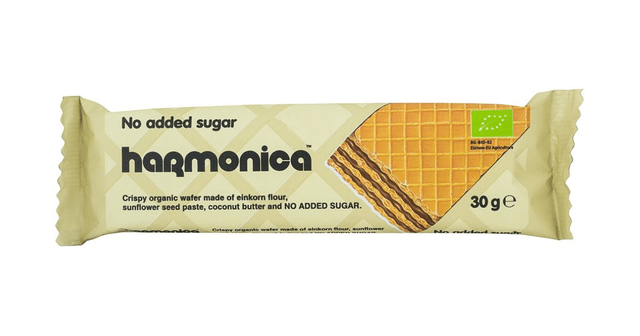
Waffle without added sugar, organic
Unlock Full Product Analysis
Get AI-powered ingredient breakdowns, personalized health insights, and smarter food choices — all inside Telegram.
Noticed incorrect or incomplete information about this product?
Report a problem?
Similar Products
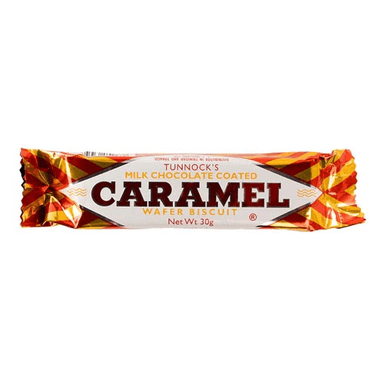
Waffles TUNNOCK'S, with caramel and milk chocolate, 30 g
Waffles ZOO, 2,8 kg

Bahlsen Waffeletten Wafer Rolls with Milk Chocolate
Wafers SELGA, lemon taste, 180 g

Selga Classic, Vanilla Wafer
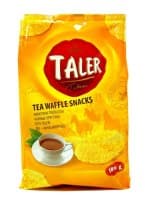
Snacks TALERI,classic 180 g
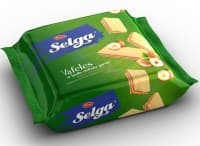
Wafers SELGA, hazelnut taste, 180 g
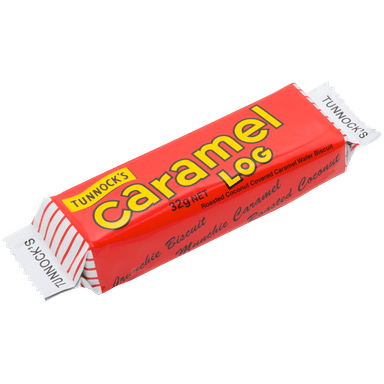
Waffle TUNNOCK'S, Logs, with caramel, 32 g
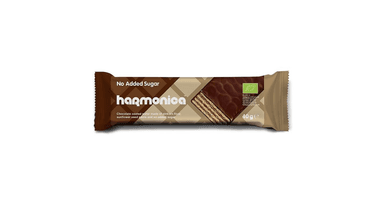
A waffle coated with milk chocolate, unsweetened and organic.
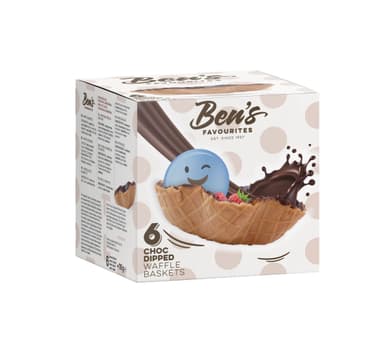
Waffle bowls BEN'S FAVORITES, with chocolate frosting, 4 pcs., 100 g
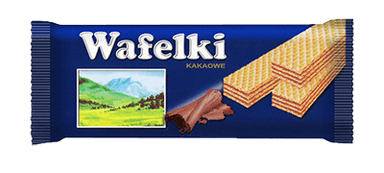
Wafers with cocoa filling, 80 g

Suffeli, Waffle with Iris Cream Filling, 21 g
Mini wafers round, 110 g

Vikstal, Waffles with oven milk flavor filling, 240 g
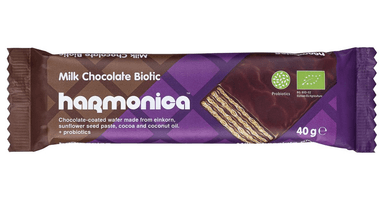
Biotic waffle coated with milk chocolate, organic
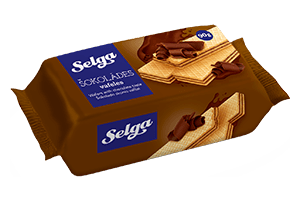
SELGA Chocolate Wafers, 90 g

Lentil cakes gluten free
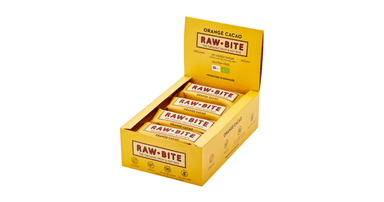
Organic orange and cocoa bars, in a box
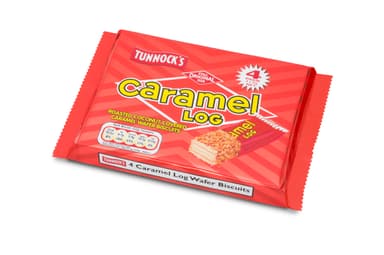
Waffles TUNNOCK'S, with caramel, 128 g
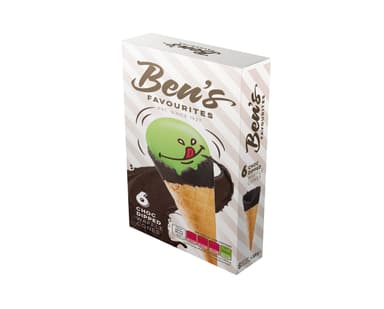
Waffle cones BEN'S FAVORITES, with vanilla-flavored chocolate frosting
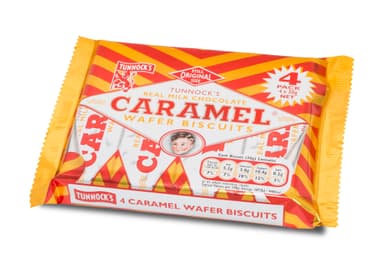
Waffles TUNNOCK'S, with caramel and milk chocolate, 120 g
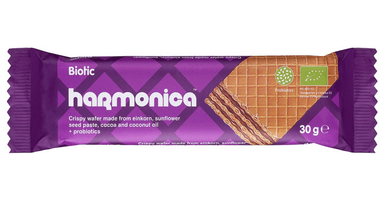
Waffle with BIOTIC probiotics, organic
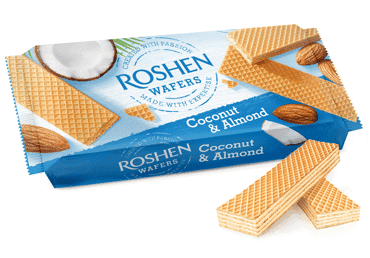
ROSHEN Wafers with Coconut and Almond Filling
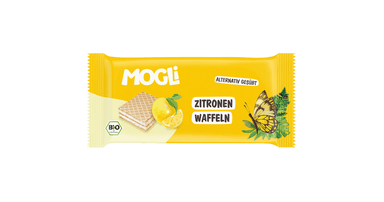
Organic Lemon Wafers
