
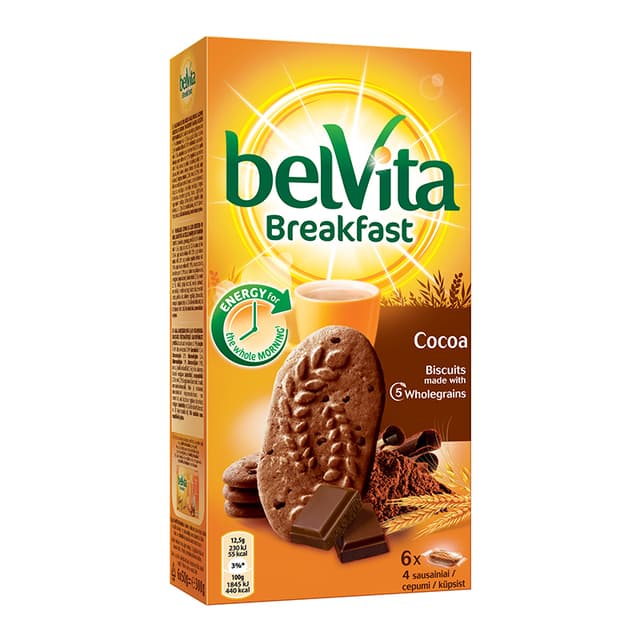
Biscuits BELVITA, with chocolate pieces, 300 g
Unlock Full Product Analysis
Get AI-powered ingredient breakdowns, personalized health insights, and smarter food choices — all inside Telegram.
Noticed incorrect or incomplete information about this product?
Report a problem?
Similar Products
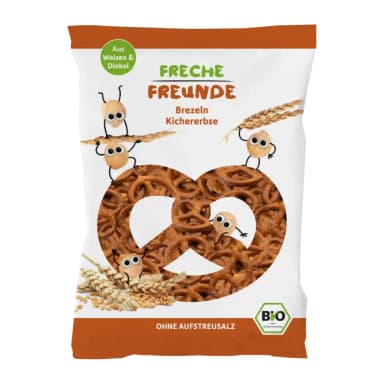
Crispy pretzels with spelt and chickpeas, suitable for 12 months and older, organic

Cookie decorating set DR.OETKER, 379 g
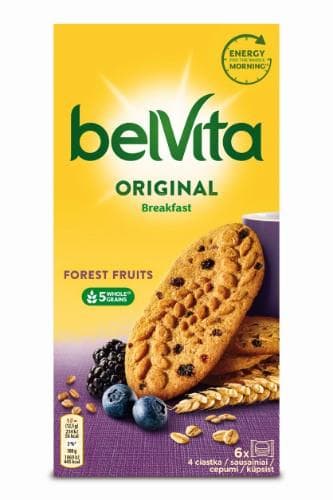
Biscuits BELVITA, forest berry, 300 g

Kuno Plaan Olympic Biscuits with Nuts and Cream Filling

Biscuits OREO, 110 g
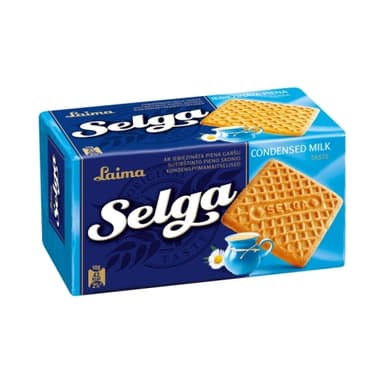
Biscuits SELGA Milk, 180 g
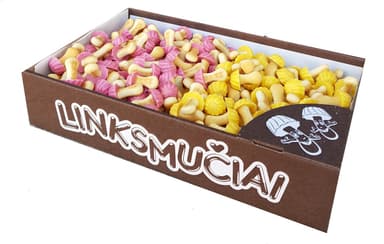
Biscuits LINKSMUČIAI, fruit taste mooshrooms, 1 kg
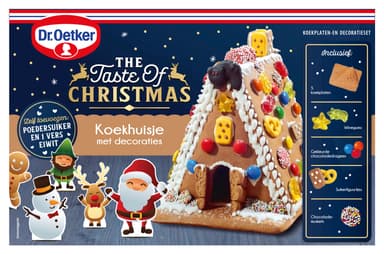
Crispy house DR.OETKER, with decoration set, 403g
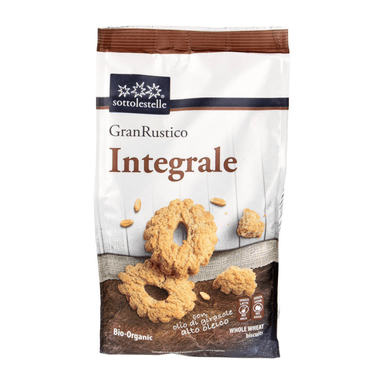
Granrustico Whole Grain Cookies, Organic
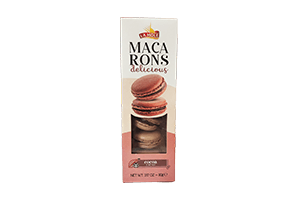
Cocoa-flavored macarons MACARONS LA MOLE 90g

Tatra Biscuit
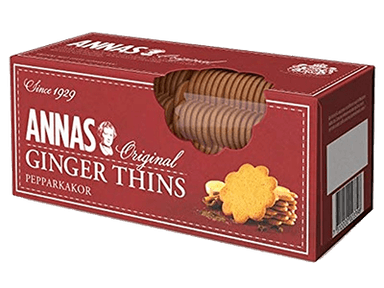
ANNAS Ginger Cookies, 150 g
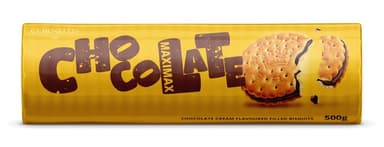
Biscuits CORNELLIS MaxiMax, chocolate, 500 g
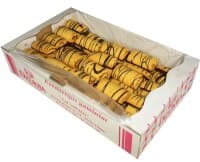
Biscuits GUBOJA, 2 kg
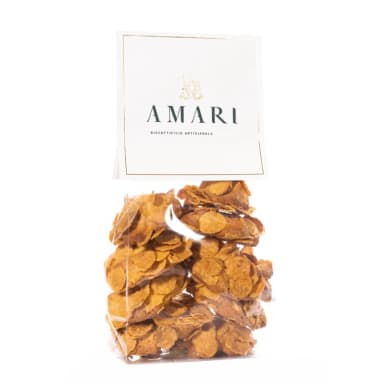
Cookies with chocolate chips CARLETTI CIOCCOLATO
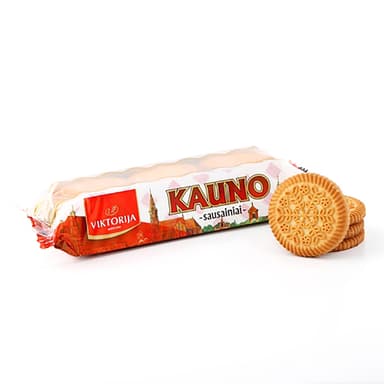
KAUNO biscuits, 100 g
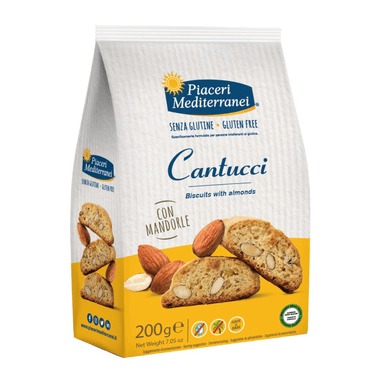
CANTUCCI cookies with almonds, gluten-free
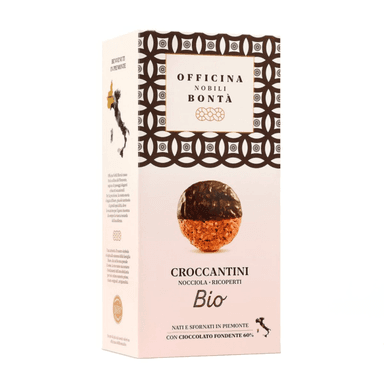
CROCCANTINI cookies with hazelnuts dipped in chocolate, organic

Small Cookies with Marmalade
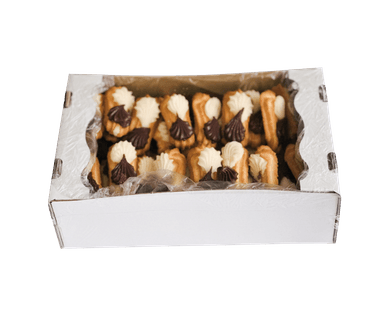
Biscuits GARLIAVOS DUONA Vilnius, 900 g
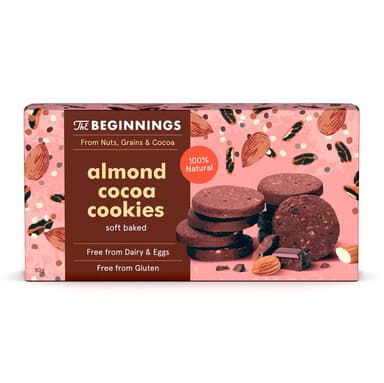
Vegan almond cookies THE BEGINNINGS, with cocoa, 80 g
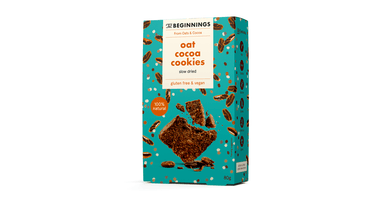
Oat and cocoa cookies
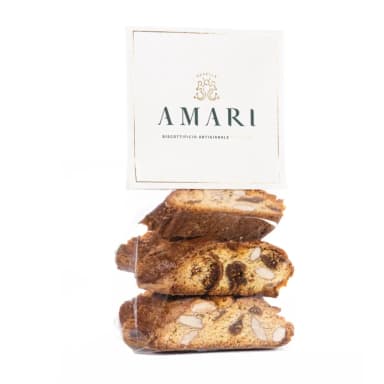
Fig and Almond Cookies CANTUCCI
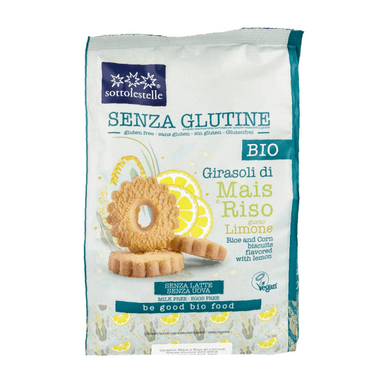
Lemon cookies GIRASOLI, gluten-free, organic
